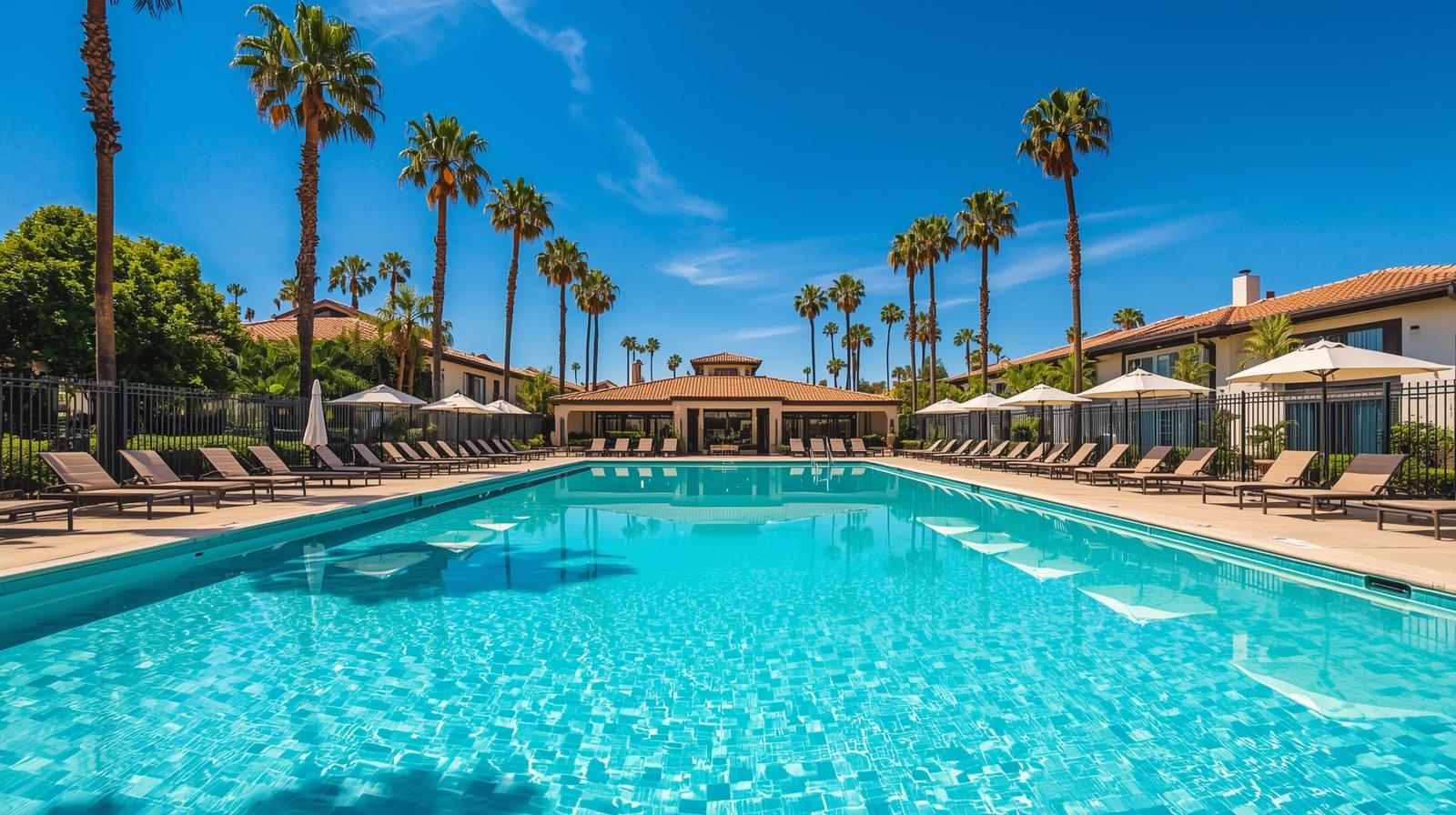
Los Angeles is famous worldwide for its enviable climate. The image of endless sunshine, mild winters, and dry heat is what draws millions to live in Southern California. Naturally, this weather makes the swimming pool the ultimate accessory for the LA lifestyle. It is not just a luxury item; for many, it is a central component of daily living and home entertainment.
However, the same geological and climatic factors that make Los Angeles beautiful also make pool construction a unique challenge. Building a pool here is different than building one in Florida or Arizona. It requires a deep understanding of the region’s specific environmental quirks, from expansive clay soils and seismic activity to strict water conservation regulations. Homeowners embarking on a pool build need to understand how these elements influence the design, engineering, and timeline of their project.
The Impact of Soil and Terrain
Los Angeles is geologically diverse. You can drive ten minutes and move from the sandy soil of the coast to the granite bedrock of the Santa Monica Mountains, to the expansive clay of the valleys.
Expansive Soil Much of LA, particularly in the valleys, sits on clay soil. This soil acts like a sponge. When it rains (however rarely), the soil swells. When it dries out in the summer heat, it shrinks and cracks. This movement is the enemy of rigid structures like concrete pool shells. If not engineered correctly, the pool can crack or heave out of the ground.
-
The Solution: Specialized engineering is non-negotiable. This often involves over-excavating the site and bringing in non-expansive fill dirt, or using extra steel rebar and thicker gunite walls to withstand the pressure.
Hillside Construction The most desirable views in LA are often on steep slopes. Building a pool on a hillside requires complex engineering, including friction piles (caissons) drilled deep into the bedrock to anchor the pool so it doesn’t slide down the hill during a rainstorm or earthquake.
Seismic Considerations
California is earthquake country. While a pool is a solid concrete vessel, the water inside acts as a massive dampener during a quake, sloshing violently. This can damage the tile, coping, and plumbing.
-
Flexible Plumbing: Experienced LA builders use specific plumbing techniques and materials that allow for slight movement without snapping pipes.
-
Structural Integrity: The steel cage (rebar) inside the gunite shell is tied more densely in California than in other parts of the country to ensure the shell moves as a single unit during seismic events.
The Heat and The Drought
The dry, intense heat of the Los Angeles summer affects both the construction process and the finished product.
Curing Concrete When the gunite (concrete shell) is shot, it needs to cure slowly to reach maximum strength. In the blistering LA sun, concrete wants to dry out too fast, which leads to surface cracking.
-
The Process: Homeowners or builders must water the shell multiple times a day for a week or more to keep it damp and cool, ensuring a slow, chemical cure.
Water Conservation Water is a precious resource in Southern California. Strict regulations often dictate the size of pools or the type of equipment used.
-
Evaporation Control: To combat the rapid evaporation rates in the dry climate, auto-covers are increasingly popular. They keep the water in the pool and the heat from escaping at night.
-
Material Choice: In Los Angeles, outdoor living is an extension of the home, which is why choosing the right pool companies Los Angeles professionals ensures a seamless, durable pool installation. These experts know which interior finishes (like quartz or pebble) resist the chemical imbalances caused by rapid evaporation and high UV exposure.
Permitting and Timelines
The climate allows for year-round construction, which is a huge benefit. Unlike the Midwest, builders in LA don’t have to stop for snow. However, the regulatory climate is arguably the toughest in the nation.
The “Rainy” Season While rare, LA winters can bring atmospheric rivers. Grading and excavation are strictly regulated during the rainy season (typically October to April) to prevent mudslides. If a project isn’t “out of the ground” by October, builders must install comprehensive erosion control measures (sandbags, plastic sheeting) which can slow down progress.
Energy Efficiency Standards (Title 24)
California’s Title 24 energy standards are the strictest in the US. They mandate the use of variable-speed pumps, specific pipe sizing to reduce friction loss, and efficient heating systems.
-
The Benefit: While these regulations add upfront cost and complexity to the build, they result in a pool that costs significantly less to operate month-to-month.
Conclusion
Building a pool in Los Angeles is a major construction project that interacts deeply with the environment. It is not a job for amateurs. The soil, the seismic faults, and the sun all demand respect. By partnering with a builder who understands these local forces, homeowners can create a backyard oasis that is not only beautiful but structurally sound enough to last for generations.
FAQ
Q: Do I need a soil report to build a pool in LA?
A: Almost always. A geotechnical report is typically required by the city building department to determine the soil stability and engineering requirements for the pool shell.
Q: Can I build a pool year-round in Los Angeles?
A: Yes. The weather rarely gets cold enough to stop construction. The only delays usually come from the few weeks of heavy rain or the city permitting process.
Q: Why is pool construction more expensive in LA than other places?
A: The combination of strict seismic engineering, high labor costs, Title 24 energy mandates, and difficult site access (tight lots or hillsides) drives up the cost compared to other regions.