Buying a used vehicle can be a smart way to get reliable transportation without paying the higher price of a brand-new car. However, finding the right vehicle requires more than comparing prices. Buyers in Nova Scotia should consider the car’s condition, history, inspection status, taxes, ownership documents, and long-term costs before making a decision.
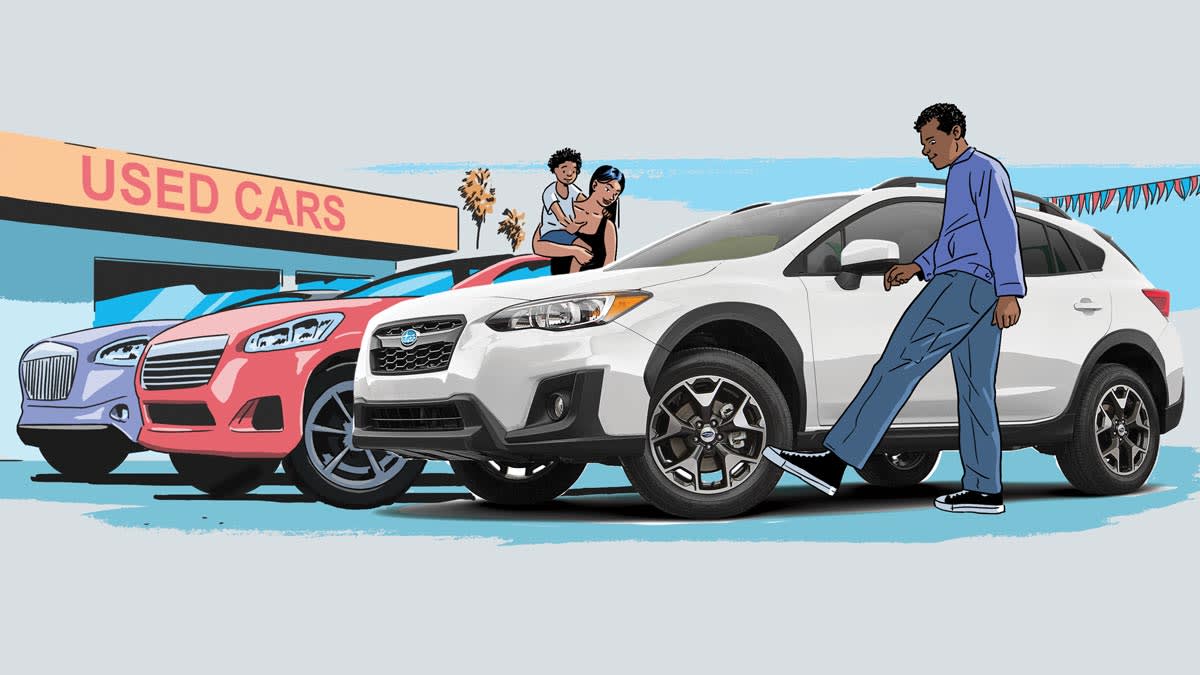
Whether you are shopping for your first vehicle, upgrading your current car, or looking for an affordable family vehicle, knowing what to look for can help you avoid unexpected expenses and make a confident purchase.
Why Consider a Used Car in Nova Scotia?
Used cars can offer excellent value because you may be able to get a newer model with desirable features for considerably less than its original purchase price. The used-car market also gives buyers more choices across different budgets, including sedans, SUVs, trucks, and compact vehicles.
However, price should not be the only deciding factor. A vehicle with a low asking price may require significant repairs or have a complicated history. Nova Scotia’s Consumer Protection Act provides protections related to ownership, descriptions, quality, warranties, and other consumer transactions, but buyers should still do their own research before purchasing.
Used cars in Nova Scotia offer unbeatable value and flexibility. Carlantic makes the process smooth with expert guidance and vehicle history you can verify.
Set a Realistic Budget
Before visiting dealerships or contacting sellers, determine how much you can comfortably spend. Your budget should include more than the vehicle’s advertised price.
Consider expenses such as:
- Sales tax
- Registration and title fees
- Insurance
- Fuel
- Maintenance
- Repairs
- Financing costs
- Winter tires and seasonal maintenance
If you are financing the vehicle, compare the total cost of borrowing rather than focusing only on the monthly payment. Nova Scotia consumer rules require credit terms to disclose information such as the total cost of borrowing, fees, and interest rate.
Check the Vehicle History
A vehicle history report can reveal important information that may not be obvious during a test drive. Look for previous accidents, ownership history, reported damage, and other records that could affect the vehicle’s value.
You should also compare the vehicle identification number, or VIN, with the documentation provided by the seller. Nova Scotia’s official inspection requirements emphasize matching documentation with the actual vehicle description, including the VIN.
Pay attention to warning signs such as inconsistent mileage, unexplained repairs, mismatched documentation, or branding indicating that a vehicle has been rebuilt or reconstructed.
Get a Professional Inspection
Even if a used car looks excellent, a professional inspection can identify problems that are difficult for an average buyer to spot.
Ask an independent mechanic to examine important components such as:
- Brakes
- Tires
- Suspension
- Steering
- Exhaust
- Engine
- Transmission
- Fluid leaks
- Body and frame
- Electrical systems
Nova Scotia’s Motor Vehicle Inspection program covers key safety components, including brakes, steering, tires and wheels, suspension, exhaust, body components, and other equipment.
A vehicle passing an official inspection does not necessarily mean it is mechanically perfect. A separate pre-purchase inspection can provide additional information about potential maintenance or repair costs.
Understand Nova Scotia Motor Vehicle Inspections
Inspection status is particularly important when purchasing a used vehicle in the province.
For a privately purchased used vehicle, Nova Scotia requires a valid Motor Vehicle Inspection issued within 30 days before the sale in the seller’s name, or the buyer must obtain a valid inspection before transferring ownership. There are also specific options involving a Registry of Motor Vehicles letter or a Sale of Vehicle Not Safety Approved form.
When buying from a licensed Nova Scotia dealer, the vehicle may have a recently issued inspection sticker, or the dealer may sell it as not safety approved under the applicable rules.
Always ask about the inspection status and confirm exactly what is required before completing the transaction.
Know the Taxes and Registration Costs
Taxes are another important part of your used-car budget.
For a private vehicle purchase in Nova Scotia, Nova Scotia Sales Tax may apply when you register the vehicle. The province generally determines the taxable value using the purchase price or the vehicle’s fair value, whichever is greater. The Canadian Red Book wholesale value may be used to determine fair value.
If you believe the assessed fair value is higher than the vehicle’s actual value, you may be able to obtain an appraisal from an eligible registered used-vehicle appraiser or licensed motor vehicle dealer. The province states that qualifying appraisals must meet specific timing and registration requirements.
Understanding these costs before making an offer can prevent unpleasant surprises after the purchase.
Take a Thorough Test Drive
Never rely solely on photographs or a seller’s description. Take the vehicle for a proper test drive and pay attention to how it starts, accelerates, brakes, steers, and handles different road conditions.
Listen for unusual noises, vibrations, rattles, or grinding. Check whether the transmission shifts smoothly and whether the vehicle pulls to one side when braking.
Also test the vehicle’s features, including the air conditioning, heating, lights, windows, locks, mirrors, infotainment system, and safety equipment.
A test drive should give you a better understanding of both the vehicle’s condition and whether it suits your everyday needs.
Review the Paperwork Carefully
Before signing anything, review all documents carefully. Confirm the seller’s identity and ownership, and make sure the VIN matches the vehicle and registration documents.
For a private purchase, obtain a detailed bill of sale that records essential information such as the buyer and seller, vehicle details, mileage, purchase price, and payment terms. Nova Scotia government guidance also recommends putting important promises or representations about the vehicle in writing.
Do not rely on verbal promises about repairs, warranties, or vehicle condition.
Dealer vs. Private Seller
Both dealerships and private sellers can offer good opportunities, but the buying experience can differ.
A dealership may provide more vehicle choices, financing options, warranties, and assistance with registration. Private sellers may offer lower prices, but buyers generally need to take greater responsibility for verifying the vehicle’s history, condition, ownership, and paperwork.
Regardless of where you buy, research the vehicle and seller carefully and avoid rushing into a purchase simply because a deal appears attractive.
Conclusion
Buying a used vehicle in Nova Scotia can be an excellent way to find dependable transportation while staying within your budget. The key is to look beyond the advertised price and evaluate the vehicle’s history, mechanical condition, inspection status, ownership documents, taxes, and overall cost of ownership.
Take your time, arrange an independent inspection, verify the paperwork, and understand the provincial requirements before completing the transaction. With careful research and the right guidance, finding a quality used vehicle can be a much smoother and more rewarding experience.
Frequently Asked Questions
1. What should I check before buying a used car in Nova Scotia?
Check the vehicle history, VIN, ownership documents, inspection status, mileage, mechanical condition, accident history, and overall maintenance record. A professional pre-purchase inspection is also recommended.
2. Do used cars need a safety inspection in Nova Scotia?
Yes, used vehicles are subject to Nova Scotia’s Motor Vehicle Inspection requirements. The specific requirements depend on whether the vehicle is purchased privately, from a dealer, or brought into the province.
3. Do I pay tax when buying a used car privately?
Yes. A privately purchased vehicle can be subject to Nova Scotia Sales Tax when it is registered. The taxable value is generally based on the purchase price or fair value, whichever is greater.
4. Should I get a used car inspected before buying it?
Absolutely. An independent mechanic can identify mechanical or structural problems that may not be obvious during a visual inspection or test drive.
5. Can a used-car warranty be transferred?
A warranty may be transferable with a used-car purchase, depending on its terms. Nova Scotia consumer guidance states that a fee cannot be charged for transferring a warranty.
6. Is it better to buy from a dealer or a private seller?
There is no single answer. Dealers may provide additional services and options, while private sellers can sometimes offer competitive prices. The most important factor is verifying the vehicle’s condition, history, ownership, and paperwork before purchasing.