
An uninsured motorist claim Virginia car accident victims file is one of the more frustrating situations in personal injury law — being seriously injured by another driver’s negligence and then discovering that driver had no insurance or inadequate insurance to cover the harm they caused. Virginia requires drivers to carry liability insurance, but a meaningful percentage of drivers on Virginia roads don’t comply — and even drivers who do carry insurance sometimes carry minimum limits that don’t come close to covering the damages from a serious accident. Understanding how uninsured and underinsured motorist coverage works, what Virginia law requires, and how these claims differ from standard third-party liability claims is what allows injured drivers to access the coverage they paid for.
Virginia’s Uninsured Motorist Coverage Requirements
Virginia law requires that auto insurance policies include uninsured motorist coverage at minimum limits equal to the liability coverage limits on the policy — unless the insured specifically rejects UM coverage in writing. This means most Virginia drivers who carry liability insurance also have UM coverage whether they’ve thought explicitly about it or not, which is relevant when an accident with an uninsured driver occurs and the injured person needs to understand what coverage is available.
Uninsured motorist coverage applies when the at-fault driver has no liability insurance at all. Underinsured motorist coverage — a related but distinct coverage — applies when the at-fault driver has liability insurance but those limits are insufficient to fully compensate the injured person’s damages. The distinction matters because the claims process and the coverage trigger differ between the two, and understanding which applies to a specific accident is the first step in navigating the claim correctly.
Virginia also has a specific provision — the uninsured motorist fund — for accidents involving hit-and-run drivers where the at-fault vehicle can’t be identified, which creates another avenue for recovery in situations where traditional UM coverage might not apply.
How UM Claims Differ From Standard Third-Party Claims
The most significant practical difference between an uninsured motorist claim and a standard third-party liability claim is that the UM claim is filed against the injured person’s own insurer rather than against a third party’s insurer. This changes the dynamic of the claim in ways that surprise many injured people — their own insurance company, which they’ve paid premiums to for years, is now in an adversarial position relative to the claim, evaluating it with the same cost-containment motivation that any insurer applies to claims it’s paying.
Virginia law does provide specific protections for UM claimants — including the requirement that the insurer treat the claim in good faith and the prohibition on certain conduct that would be permitted against a third-party insurer — but the fundamental reality is that the injured person’s own insurer is still a financial adversary in the claim rather than an advocate. Working with a personal injury attorney who understands UM claim dynamics and the specific obligations Virginia law places on insurers handling these claims is what protects the injured person’s interests throughout the process.
Stacking and Coverage Limits
One of the most practically important aspects of UM coverage for Virginia drivers with multiple vehicles or multiple policies is the question of stacking — whether coverage limits from multiple policies can be combined to increase the total coverage available for a single accident. Virginia law allows stacking of UM coverage under certain circumstances, which can significantly increase the coverage available in serious accident cases where a single policy’s limits might not adequately compensate the full damages.
Whether stacking is available in a specific situation depends on the policy language, the number of vehicles and policies involved, and how the accident circumstances align with the stacking rules — which requires policy-specific analysis rather than a general answer. A car accident lawyer who reviews the applicable policies at the outset of a UM claim identifies stacking opportunities that a claimant navigating the process without legal guidance might miss entirely.
The Arbitration Provision in UM Claims
Many Virginia auto insurance policies include arbitration provisions that apply specifically to UM and UIM claims — requiring disputes about coverage or damages to be resolved through arbitration rather than through the court system. These arbitration provisions affect how the claim is litigated, what discovery is available, and what the procedural timeline looks like in ways that differ significantly from standard personal injury litigation.
Understanding whether an arbitration provision applies, what it requires procedurally, and how to navigate arbitration effectively in a UM claim requires specific experience with this claim type. A personal injury law firm Roanoke VA that regularly handles UM and UIM claims has the arbitration experience that these claims require rather than approaching the process as a novel procedural challenge
Documenting the Accident When the Other Driver Is Uninsured
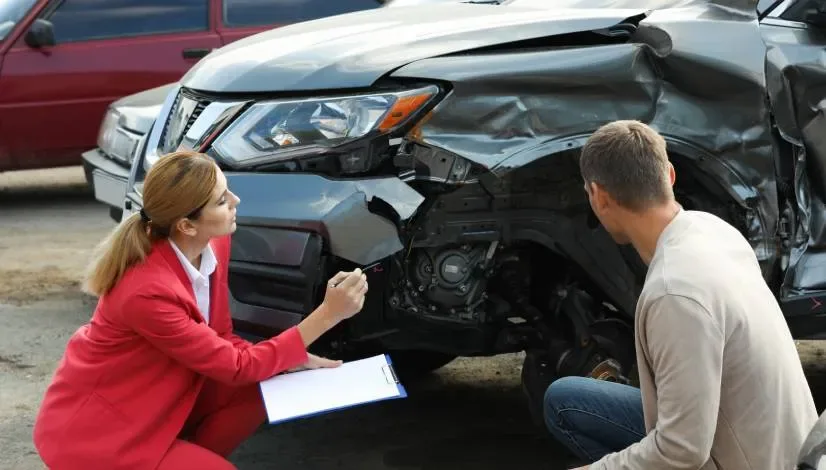
The documentation steps that matter most in a UM claim start at the accident scene — because establishing that the at-fault driver was uninsured, and preserving the evidence of how the accident happened and what injuries resulted, is foundational to the claim regardless of which coverage is being accessed. Getting the police report that documents the accident and the other driver’s insurance status, photographing the scene and vehicle damage, and collecting witness information are all as important in a UM claim as in any other accident situation.
Medical documentation that connects the injuries to the accident — prompt treatment, consistent follow-up, and records that clearly establish the nature and severity of the harm — is what supports the damages portion of the UM claim. A UM insurer evaluating what the claim is worth applies the same scrutiny to medical documentation as a third-party insurer would, which means gaps in treatment, delayed care, or inadequate documentation of symptoms and functional limitations create the same vulnerabilities in a UM claim that they would in any personal injury case.
Getting a personal injury lawyer Roanoke VA involved promptly after an accident with an uninsured driver — before statements are given to the UM insurer and before the claim’s early documentation window closes — is what ensures the claim is built on a complete factual and medical record from the beginning rather than one that needs to be reconstructed after the fact.