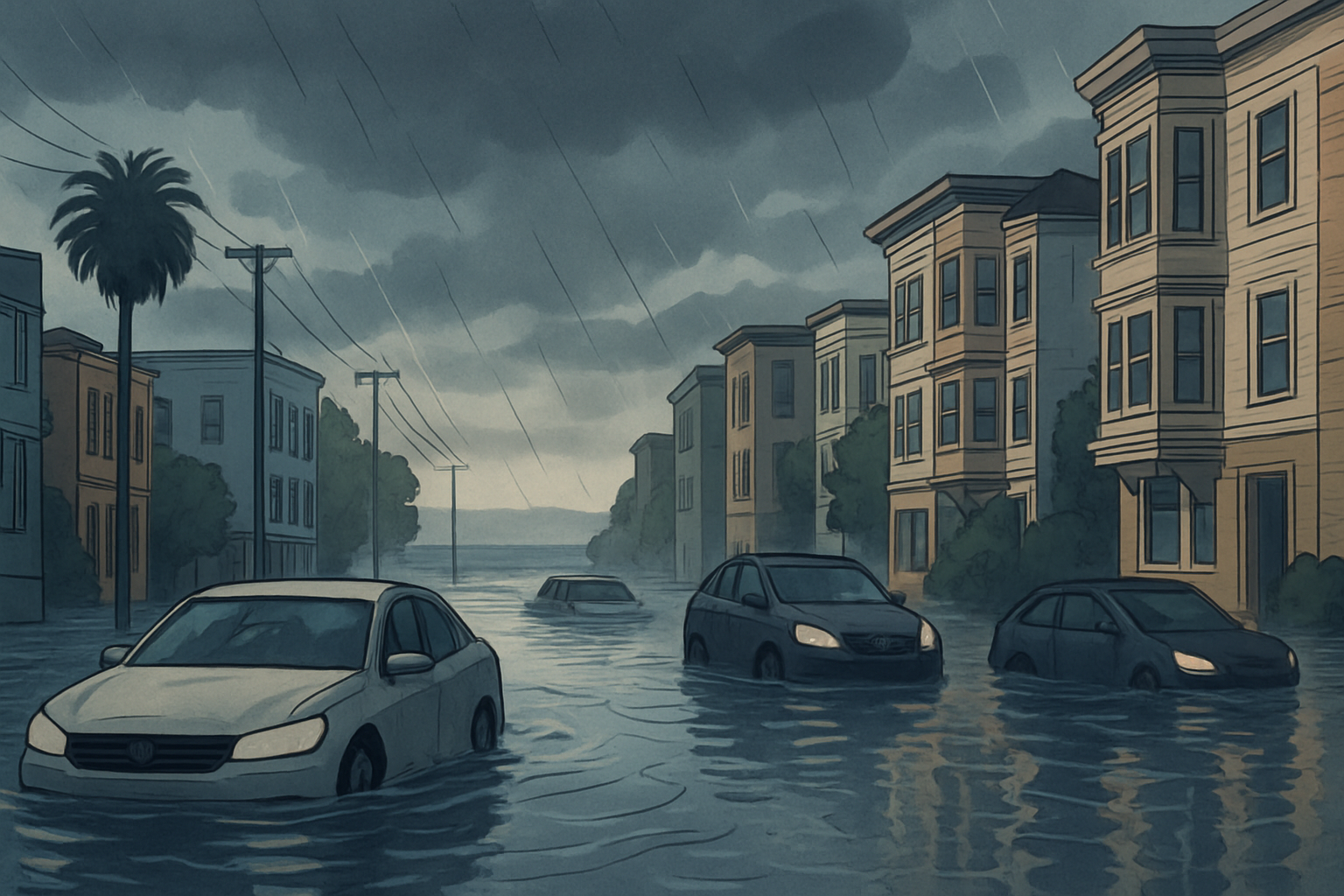
Heavy rainfall swept across Norfolk, Virginia, triggering flash flooding that caused major traffic delays and at least one dramatic water rescue, according to multiple local reports.
The Ghent neighborhood was among the hardest hit, where rising water led to significant backups and disrupted travel for drivers, outlets report. Flooding of that kind is a recurring hazard in low-lying parts of the city, where intense storms can quickly overwhelm streets and drainage systems.
Amid the high water, a driver was reportedly rescued from a submerged SUV, according to local coverage of the flooding in Norfolk. Details on the circumstances of the rescue, including the driver’s condition and whether emergency crews were involved, were not fully clear from the initial reports.
Flooding disrupts travel across the city
The combination of heavy rain and flash flooding created hazardous conditions for motorists, with reports describing major traffic delays as some roadways became impassable. Standing water can be especially dangerous for drivers, as even relatively shallow flooding can stall vehicles or sweep them off the road.
Emergency officials in flood-prone areas routinely urge drivers to avoid roads covered by water rather than attempt to drive through them, a message reinforced by incidents in which vehicles become stranded or submerged.
What remains unconfirmed
As of the initial reporting, several key details remained unclear. The sources did not provide a confirmed total for how much rain fell, the full extent of road closures, or whether any injuries resulted from the flooding. The precise timeline of the storm and how long conditions persisted were also not established across the available coverage.
It was likewise not immediately clear how many drivers were affected or whether additional water rescues took place beyond the one described in local reports.
Flash flooding can develop rapidly during intense rainfall, particularly in urban areas where pavement prevents water from being absorbed into the ground. Neighborhoods situated near waterways or at low elevations are often the first to see streets fill with water.
Residents in areas prone to this kind of flooding are generally advised to monitor local weather alerts, plan alternate routes during storms, and avoid low-lying roads when heavy rain is in the forecast. Officials often note that conditions can change quickly, with water levels rising and receding over the course of a single storm.
Further details are expected to emerge as local authorities and news outlets assess the impact of the flooding. This report will be updated as more verified information becomes available.
Related coverage
- Heavy Rain Raises Flash Flooding Fears Across Hampton Roads
- Severe Storms Sweep Through Hampton Roads and Northeastern NC
- Storms Batter Coastal Virginia and N.C., Cutting Power
This report synthesizes coverage from multiple news outlets.