

A clean, sparkling pool is one of the best features of any backyard. But over time, even regularly maintained pools can develop stubborn stains, discoloration, mineral buildup, algae marks, and other surface problems that ordinary brushing and chemical treatments cannot completely remove. When this happens, an acid wash may be the solution.
An acid wash is a specialized cleaning process that removes a thin layer from the surface of a plaster or concrete pool to eliminate persistent stains and buildup. Because it involves strong chemicals and can damage pool surfaces when performed incorrectly, it is best handled by trained pool professionals.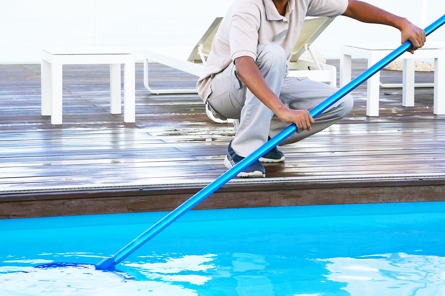
What Is a Pool Acid Wash?
A pool acid wash is a deep-cleaning treatment that uses a diluted acid solution, commonly muriatic acid, to remove stains and buildup from the interior surface of a swimming pool. Unlike regular pool cleaning, which removes dirt and debris from the water and surface, an acid wash addresses discoloration and deposits that have become embedded in the pool finish.
The process generally involves draining the pool, preparing and protecting surrounding areas, applying the acid solution carefully, rinsing the surface, and neutralizing the wastewater. Because improper acid handling can damage the pool finish or create safety hazards, professional assistance is strongly recommended.
Signs Your Pool May Need an Acid Wash
Not every dirty pool needs an acid wash. However, certain signs can indicate that standard maintenance is no longer enough.
1. Persistent Stains
Dark, brown, green, or rust-colored stains that remain after brushing and proper chemical treatment may indicate that contaminants have penetrated the pool finish. If conventional stain removal methods have failed, an acid wash may help restore the surface.
2. Heavy Mineral Buildup
Hard-water minerals can accumulate along the waterline and throughout the pool. Calcium deposits may appear as rough, white, gray, or chalky patches. When buildup becomes extensive, professional acid washing may be considered.
3. Severe Algae Discoloration
A neglected pool can develop algae stains that become difficult to remove even after the water has been chemically treated. An acid wash can help address discoloration left behind on compatible pool surfaces.
4. A Dull or Discolored Pool Finish
If your pool’s plaster has become noticeably dull, stained, or uneven in appearance despite regular cleaning, a deep surface treatment may improve its appearance.
5. A Recently Renovated or Replastered Pool
Acid washing is sometimes used as part of specific pool renovation or finishing procedures. However, newly installed surfaces require special care, and acid washing should only be performed when appropriate for the particular finish.
Acid washing removes stubborn stains and buildup pool acid wash Viera pool pros handle safely.
How Often Should a Pool Be Acid Washed?
There is no universal schedule for acid washing. A properly maintained pool may go many years without needing one, while a pool exposed to hard water, staining, algae, or poor chemical balance may require attention sooner.
Acid washing should not be treated as routine maintenance. Since the process removes a small amount of the pool’s surface finish, performing it too frequently can shorten the lifespan of plaster or other compatible surfaces.
Instead of scheduling an acid wash automatically every year, have the pool evaluated when significant staining or buildup develops.
What Happens During an Acid Wash?
A professional acid wash typically involves several important steps.
First, the pool is drained safely. The technician then inspects the pool surface to determine whether acid washing is appropriate. Surrounding areas and equipment may be protected before the cleaning solution is carefully applied.
The acid solution is worked across the pool surface in controlled sections. This helps loosen stains and mineral deposits while minimizing unnecessary exposure to the pool finish.
After treatment, the surface is thoroughly rinsed and the wastewater is handled according to applicable requirements. The pool is then prepared for refilling and balanced before it is returned to normal use.
Because acid is hazardous and improper application can cause serious surface damage, this is not an ideal do-it-yourself project.
Can Acid Washing Damage Your Pool?
Yes. Acid washing is effective precisely because it interacts with the pool’s surface. If the solution is too strong, left on too long, applied unevenly, or used on an unsuitable surface, it can cause etching, discoloration, roughness, or premature deterioration.
Professionals can determine whether the pool finish can safely tolerate an acid wash and whether another cleaning method would be more appropriate.
Acid Wash vs. Regular Pool Cleaning
Regular pool cleaning focuses on maintaining water quality and removing everyday dirt, leaves, debris, and surface contaminants. It may include brushing, vacuuming, skimming, filter maintenance, and chemical balancing.
An acid wash is considerably more aggressive. It is intended for stubborn stains and deposits that ordinary maintenance cannot adequately remove.
For this reason, acid washing should be considered a corrective treatment rather than a replacement for regular pool care.
When Should You Call a Pool Professional?
If your pool has persistent stains, extensive calcium buildup, severe discoloration, or a finish that looks significantly different from its original appearance, a professional inspection is a good starting point.
A pool technician can evaluate the type of stain, identify potential causes, inspect the pool finish, and recommend the least aggressive solution that is likely to work. In some situations, brushing, chemical treatment, stain-specific products, or surface repair may be preferable to acid washing.
Professional evaluation can also help prevent unnecessary acid washing, which can save you money and protect the pool’s finish.
Frequently Asked Questions
Is an acid wash safe for every pool?
No. Acid washing is generally associated with certain plaster, concrete, and compatible pool finishes. Some surfaces may require different cleaning methods. Always have the pool surface evaluated before treatment.
How long does an acid wash take?
The time required depends on the pool’s size, condition, surface, and amount of staining. Additional time may be needed for draining, preparation, rinsing, refilling, and balancing the pool.
Can I acid wash my pool myself?
DIY acid washing is possible in some circumstances, but it involves hazardous chemicals and requires careful handling. Mistakes can damage the pool surface and create safety risks. Professional service is generally the safer option.
Will an acid wash remove every stain?
Not necessarily. Some stains originate from metals, structural issues, or deeper surface damage and may not disappear completely through acid washing. A professional assessment can help determine what type of treatment is appropriate.
How often should I acid wash my pool?
Only when necessary. Acid washing removes a small amount of the pool surface, so excessive treatments can contribute to premature surface wear.
What should I do after an acid wash?
The pool should be properly refilled and chemically balanced before swimming. Your pool professional can provide specific instructions based on the pool finish and water chemistry.
Conclusion
An acid wash can give a stained or heavily discolored pool a cleaner, brighter appearance when ordinary maintenance is no longer enough. Persistent stains, mineral deposits, algae discoloration, and significant surface buildup are some of the situations where professional evaluation may be worthwhile.
However, acid washing is an intensive treatment and should not be performed unnecessarily. Choosing the correct cleaning method for your pool’s surface is essential for protecting its finish and extending its lifespan. If you are unsure whether your pool needs an acid wash, consult an experienced pool professional who can inspect the surface and recommend the safest and most effective solution.