
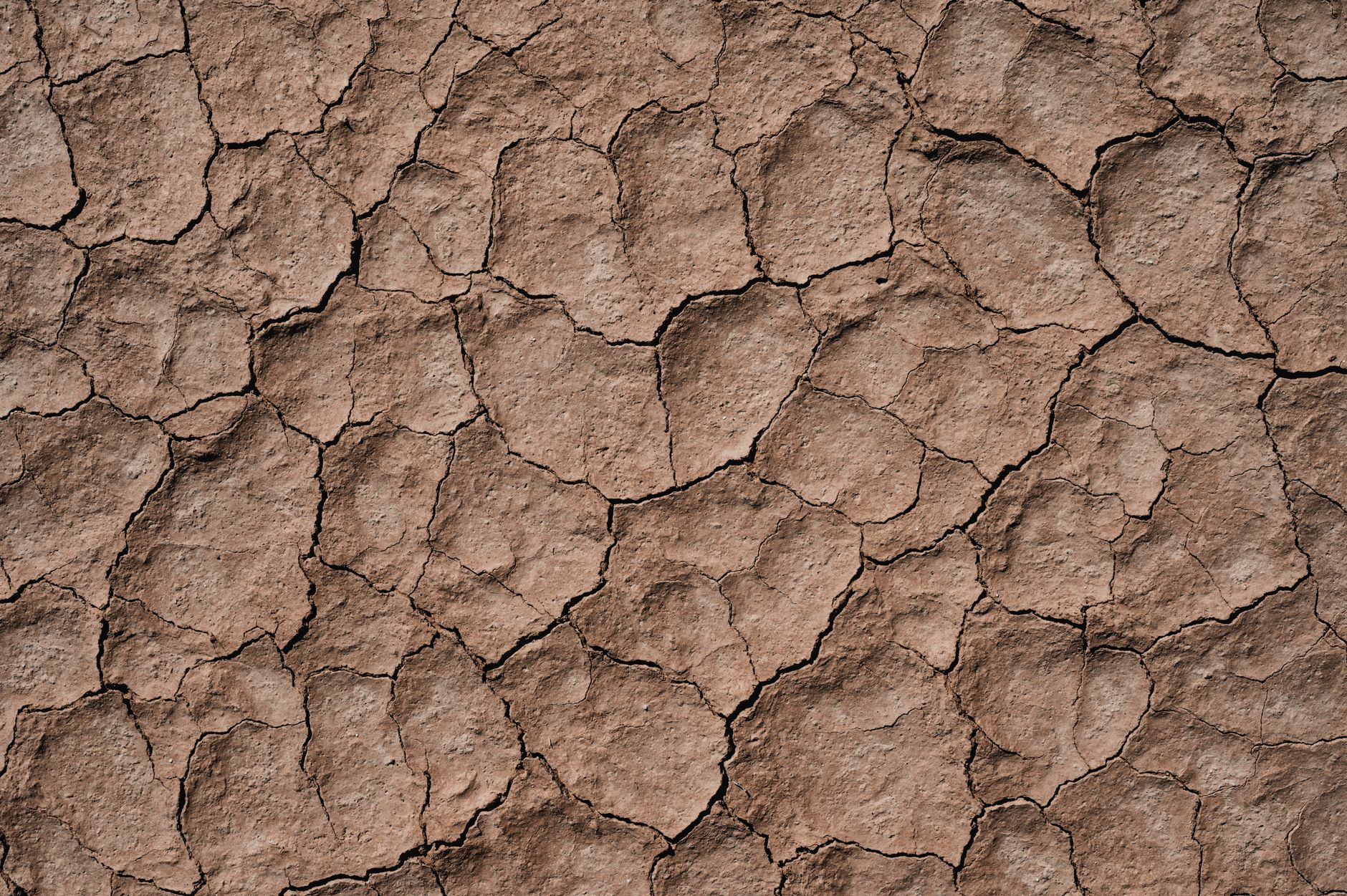
Drought conditions are hanging on across Virginia and North Carolina, even though much of the region saw significant rain and flooding earlier in the year, according to multiple reports. The persistence of dry conditions has prompted officials in coastal Virginia to ask residents to scale back certain types of water use.
A slow-building problem
The current drought has developed gradually rather than arriving all at once. As WTKR reports, the dryness “has been creeping up on us” despite bouts of summer rain and flooding — a reminder that heavy downpours do not necessarily reverse a longer-term precipitation deficit. Intense rainfall can run off quickly without adequately replenishing soil moisture, groundwater and reservoir levels, leaving underlying drought conditions in place.
That dynamic has been familiar to the region in recent months. Coastal Virginia and northeastern North Carolina have weathered repeated rounds of severe weather, including storms that brought flooding and power outages to Hampton Roads and northeastern North Carolina. Yet even those wet stretches have not been enough to pull the broader area out of drought.
Cities ask residents to conserve
In response to the continuing dry spell, the cities of Norfolk and Virginia Beach are urging residents to reduce certain kinds of water consumption, according to 13News Now. Such conservation appeals typically target non-essential outdoor uses, which can account for a substantial share of household demand during dry periods.
Common steps officials recommend during droughts include:
- Limiting lawn and landscape watering
- Avoiding washing vehicles and hard surfaces such as driveways
- Promptly repairing leaks indoors and out
- Running dishwashers and washing machines only with full loads
The exact restrictions and whether they are voluntary or mandatory were not fully detailed in the available reporting.
Why rain hasn’t ended the drought
The apparent contradiction between recent flooding and ongoing drought is not unusual. Drought is measured over weeks and months, factoring in accumulated rainfall deficits, reservoir and streamflow levels, and soil conditions. A single heavy storm can cause flash flooding while contributing relatively little to the long-term water balance, especially if the ground is dry and compacted or if the rain falls too fast to soak in.
The region’s recent weather underscores that pattern. Powerful storms have repeatedly swept through the area, including systems that cut power across coastal Virginia and North Carolina and others that battered Hampton Roads and northeastern North Carolina. Those events delivered short, sharp bursts of precipitation without erasing the cumulative shortfall.
What remains unclear
Based on the available reporting, several details remain unconfirmed, including the precise severity classification of the drought across different parts of the two states, how long officials expect the conditions to last, and whether additional localities beyond Norfolk and Virginia Beach plan to issue conservation requests or formal restrictions.
Residents in affected areas are encouraged to follow guidance from their local water utilities and city governments, which typically post the most current conservation measures and any updates as conditions change. Outlets report that officials are monitoring the situation and could adjust their requests depending on rainfall in the weeks ahead.
Related coverage
- Norfolk, Virginia Beach Urge Water Conservation as Drought Persists
- Norfolk, Virginia Beach Urge Residents to Cut Water Use
- Norfolk, Virginia Beach Ask Residents to Conserve Water
This report synthesizes coverage from multiple news outlets.
Photo by Alfo Medeiros on Pexels