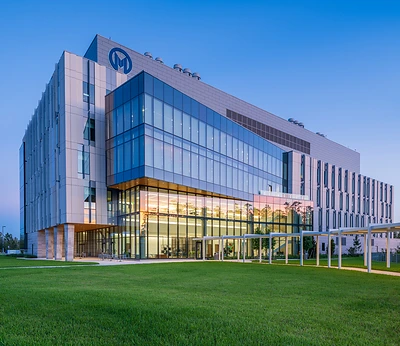


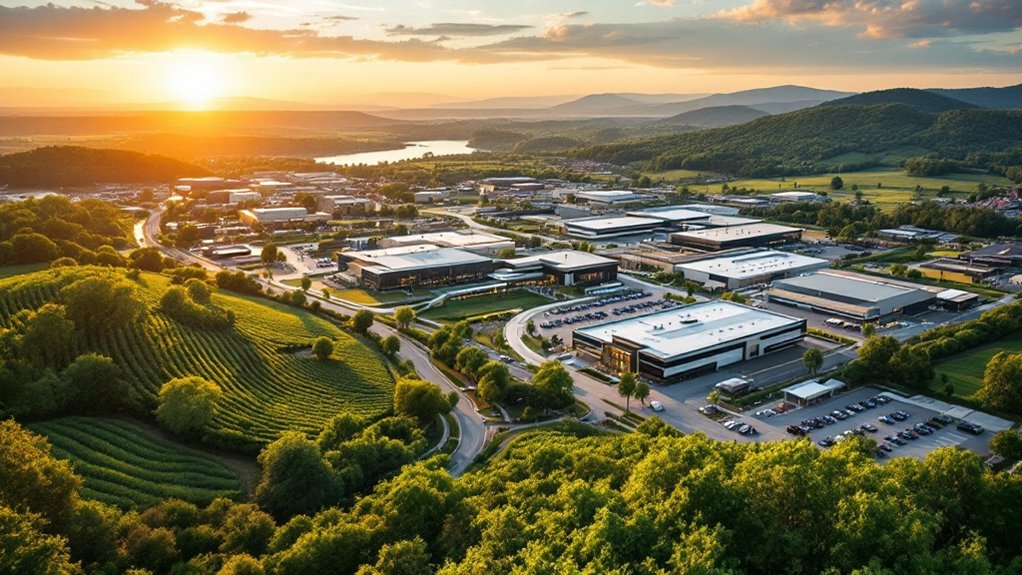
Virginia's business growth is influenced by several key factors. Its strategic location provides essential access to major markets. A skilled and diverse workforce enhances its economic appeal. Additionally, the state's government policies favor business development. Infrastructure investments are ongoing, supporting future needs. Finally, an innovation ecosystem thrives, attracting various industries. Each of these elements contributes to a robust environment for businesses. What further insights can be gained about Virginia's success?
Strategic Location and Access to Markets
Although many factors contribute to Virginia's robust business environment, its strategic location stands out as a key advantage. Nestled between major metropolitan areas like Washington, D.C., and Richmond, Virginia offers businesses unparalleled access to both national and international markets. The state's extensive transportation networks, including highways, railroads, and ports, facilitate efficient logistics and distribution, essential for enterprises. Virginia's proximity to key markets enables companies to reach clients and suppliers quickly, reducing transit times and costs. Moreover, being close to governmental and military institutions enhances opportunities for federal contracting and partnerships. This advantageous positioning has attracted diverse industries, bolstering Virginia's reputation as a thriving hub for commerce and innovation. Ultimately, its strategic location plays a pivotal role in fostering business growth. Additionally, Virginia's robust transportation infrastructure, including the airport rail system at Denver International Airport, showcases the importance of efficient connectivity for business success.
A Skilled and Diverse Workforce
A skilled and diverse workforce is integral to Virginia's economic success. The state's educational institutions provide a robust talent pool, offering graduates with technical expertise and critical thinking abilities. Additionally, Virginia's commitment to diversity guarantees a workforce that reflects a variety of perspectives, enhancing creativity and problem-solving within businesses. Companies benefit from this array of skills, enabling them to adapt and innovate in a rapidly changing market. Programs aimed at workforce development further facilitate ongoing training and skill enhancement, aligning worker capabilities with the needs of emerging industries. This combination of education, diversity, and continuous learning positions Virginia as an attractive destination for businesses seeking a competitive edge, ultimately fostering vibrant economic growth throughout the region. Furthermore, budgeting helps track expenses and ensures companies manage their resources effectively.
Supportive Government Policies and Incentives
Supportive government policies and incentives play a crucial role in fostering business growth in Virginia. The state offers various tax credits and grants designed to attract new businesses and encourage expansion among existing firms. Notable incentives include the Virginia Investment Partnership Grant and the Major Business Facility Job Tax Credit, which provide financial support for job creation and capital investments. Additionally, streamlined regulatory processes reduce barriers for entrepreneurs, enhancing the ease of starting and operating a business. Local governments also collaborate with the state to create tailored incentives that address specific regional needs. Such initiatives reflect Virginia's commitment to creating an economic environment conducive to innovation and competitiveness, ultimately driving sustainable business growth across the state. Furthermore, the impact of the knowledge economy emphasizes the importance of innovation and skilled labor, supporting the growth of diverse business sectors in Virginia.
Infrastructure Investment and Development
Virginia's commitment to economic growth extends beyond supportive government policies, emphasizing robust infrastructure investment and development. The state has prioritized enhancing transportation networks, including roads, railways, and ports, to facilitate efficient movement of goods. These improvements strengthen connections between businesses and markets, attracting new investments. Public-private partnerships play a critical role in funding infrastructure projects, allowing for innovative approaches to address modernization needs. Additionally, Virginia's focus on expanding broadband access guarantees that rural and underserved areas can participate in the digital economy. Such investments not only bolster existing businesses but also create an appealing environment for startups, ultimately fostering economic diversity and resilience. With a solid foundation of infrastructure, Virginia is well-positioned for sustained growth and competitiveness. Furthermore, as the judgeship vacancy in the 5th District Circuit Court shows, investment in judicial infrastructure is also key to maintaining a stable business environment.
Innovation and Technology Ecosystem
The innovation and technology ecosystem in Virginia serves as a driving force behind the state's economic lifeblood. This ecosystem is characterized by a robust network of research institutions, startups, and established tech companies that collaborate to foster creativity and growth. Key players include the University of Virginia and Virginia Tech, which produce a skilled workforce and significant research output. Additionally, funding from government and private sector investors supports ventures focusing on cybersecurity, biotechnology, and artificial intelligence. The presence of technology hubs, such as Northern Virginia's data centers, creates a supportive environment for innovation. Together, these elements contribute to Virginia's reputation as a burgeoning tech hub, ultimately driving sustainable economic development and attracting talent from across the nation. Furthermore, expert digital marketing agencies can enhance online presence through optimized strategies that attract more customers and increase visibility.
Frequently Asked Questions
What Are the Primary Industries Driving Virginia's Business Growth?
The primary industries driving business growth in Virginia include technology, defense, healthcare, and manufacturing. These sectors contribute substantially to the state's economy, attracting investment and fostering job creation through innovation and strategic development initiatives.
How Does Virginia's Cost of Living Affect Business Operations?
Virginia's cost of living directly impacts business operations by influencing employee wages, operational expenses, and overall profitability. Higher costs can deter new businesses while also challenging existing companies to maintain competitive pricing in the local market.
What Role Do Local Universities Play in Business Development?
Local universities substantially contribute to business development by providing research opportunities, fostering innovation, and creating a skilled workforce. Their partnerships with local industries enhance economic growth, making them vital players in the region's business ecosystem.
Are There Specific Business Networking Opportunities in Virginia?
In Virginia, numerous business networking opportunities exist, including industry-specific conferences, local chambers of commerce events, and entrepreneurial workshops. These gatherings foster connections, enhance collaboration, and support the growth of diverse business sectors across the state.
How Do Virginia's Taxes Compare to Neighboring States for Businesses?
Virginia's tax structure is generally competitive compared to neighboring states. While individual rates may vary, businesses often find favorable corporate tax rates, tax incentives, and credits that enhance the state's appeal for economic development and growth.