Business growth often depends on more than marketing strategies and financial investments. The physical environment where a company operates plays a critical role in productivity, brand perception, and scalability. In cities experiencing economic development, commercial construction becomes a powerful driver for business expansion.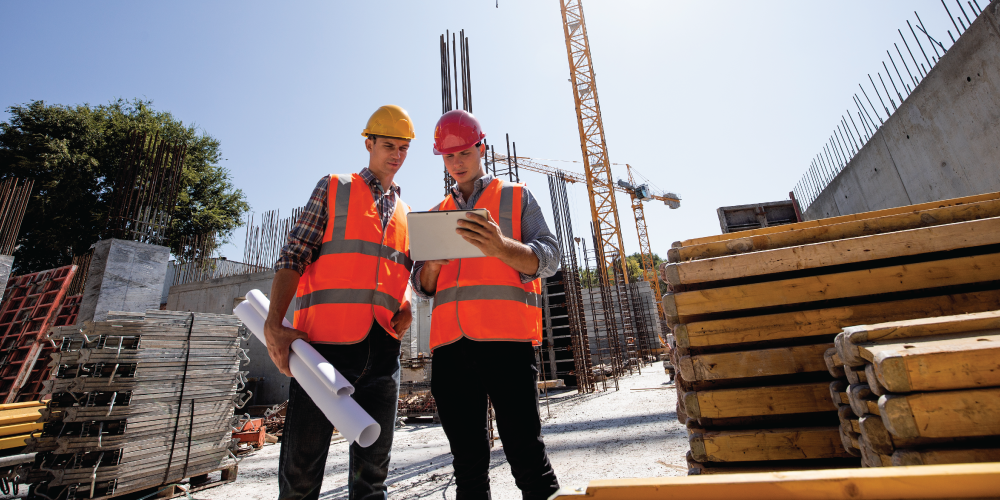
In Dayton, Ohio, commercial construction projects from office buildings and retail spaces to industrial facilities are shaping the city’s economic future. Companies that invest in modern infrastructure position themselves for long-term growth, improved efficiency, and stronger customer engagement.
This article explores how commercial construction directly impacts business growth in Dayton and why investing in the right facilities can accelerate success.
1. Supporting Business Expansion
One of the most obvious ways commercial construction impacts business growth is by providing space for expansion. As companies grow, their operational needs evolve. They may require larger offices, expanded warehouses, additional production facilities, or new retail locations.
Strategic construction in Dayton OH supports operational expansion. Businesses that partner with a Commercial construction company Dayton OH can develop facilities tailored to their operational requirements, allowing them to scale effectively without the limitations of outdated or undersized buildings.
By designing structures that accommodate future growth, companies avoid costly relocations and interruptions to their operations.
2. Improving Operational Efficiency
Modern commercial buildings are designed with efficiency in mind. New construction allows businesses to integrate advanced layouts, improved workflows, and technology-driven infrastructure.
For example, modern office buildings often include:
-
Open floor plans that improve collaboration
-
Energy-efficient lighting and HVAC systems
-
Smart building technologies
-
Optimized workspace layouts
Similarly, warehouses and manufacturing facilities can be designed to maximize storage capacity, streamline logistics, and reduce operational bottlenecks.
Efficient facilities reduce operating costs and increase productivity two key drivers of business growth.
3. Strengthening Brand Image
A company’s physical location often shapes first impressions for clients, partners, and customers. Outdated or poorly maintained buildings can undermine credibility, while modern, well-designed facilities reinforce professionalism and trust.
Commercial construction projects allow businesses to create spaces that reflect their brand identity. Architectural design, exterior aesthetics, and interior layout can all contribute to a stronger brand presence.
For retail and service-based businesses in Dayton, an attractive commercial property can significantly increase foot traffic and customer engagement.
4. Enhancing Employee Productivity and Satisfaction
Employee experience is another major factor in business success. Modern commercial construction focuses on creating work environments that promote productivity, comfort, and collaboration.
Features that support employee satisfaction include:
-
Natural lighting and ventilation
-
Ergonomic office layouts
-
Collaborative workspaces
-
Break areas and wellness spaces
-
Improved safety and accessibility
When employees feel comfortable and supported in their work environment, productivity increases and staff retention improves. Lower turnover rates also reduce recruitment and training costs.
5. Driving Economic Development in Dayton
Commercial construction not only benefits individual businesses but also contributes to the broader local economy. New developments create jobs, attract investors, and stimulate growth in surrounding areas.
In Dayton, commercial construction projects often lead to:
-
Increased employment opportunities
-
Higher property values
-
Growth in local services and businesses
-
Improved infrastructure and transportation
As more businesses invest in commercial construction, the city becomes more attractive to entrepreneurs, startups, and corporate expansions.
6. Supporting Industry-Specific Needs
Different industries have unique infrastructure requirements, and commercial construction allows companies to create customized spaces designed specifically for their operations.
Examples include:
-
Manufacturing facilities designed for production efficiency
-
Medical buildings built to meet healthcare regulations
-
Retail centers optimized for customer experience
-
Office complexes designed for corporate operations
-
Distribution warehouses with advanced logistics capabilities
Custom-built spaces allow businesses to operate more effectively while meeting industry standards and regulatory requirements.
7. Increasing Property Value and Investment Opportunities
Commercial real estate is also a long-term investment. Well-planned construction projects can significantly increase property value over time.
Investors and business owners benefit from:
-
Appreciation of commercial property
-
Higher rental income potential
-
Increased asset value
-
Greater resale opportunities
In growing markets like Dayton, commercial construction can provide both operational benefits and strong financial returns.
Frequently Asked Questions (FAQs)
1. Why is commercial construction important for business growth?
Commercial construction provides businesses with modern, efficient spaces that support operations, employee productivity, and customer engagement. It also allows companies to scale their infrastructure as they grow.
2. How does commercial construction affect local economies?
Commercial construction projects create jobs, attract new businesses, increase tax revenue, and stimulate economic activity within the community.
3. What types of projects fall under commercial construction?
Commercial construction includes office buildings, retail centers, restaurants, warehouses, healthcare facilities, industrial plants, and mixed-use developments.
4. How can new construction improve operational efficiency?
Modern facilities are designed to optimize workflows, integrate technology, and reduce energy consumption, helping businesses operate more efficiently and reduce costs.
5. Is commercial construction a good investment?
Yes. Commercial construction can increase property value, attract tenants, and provide long-term financial returns for business owners and investors.
Conclusion
Commercial construction plays a critical role in shaping business success and economic development. By investing in modern facilities, companies can improve efficiency, enhance their brand image, support employee productivity, and prepare for long-term growth.
In a growing market like Dayton, strategic commercial development not only helps individual businesses expand but also strengthens the city’s economic landscape. Whether building new office spaces, retail locations, or industrial facilities, commercial construction remains a key driver of innovation, investment, and sustainable business growth.