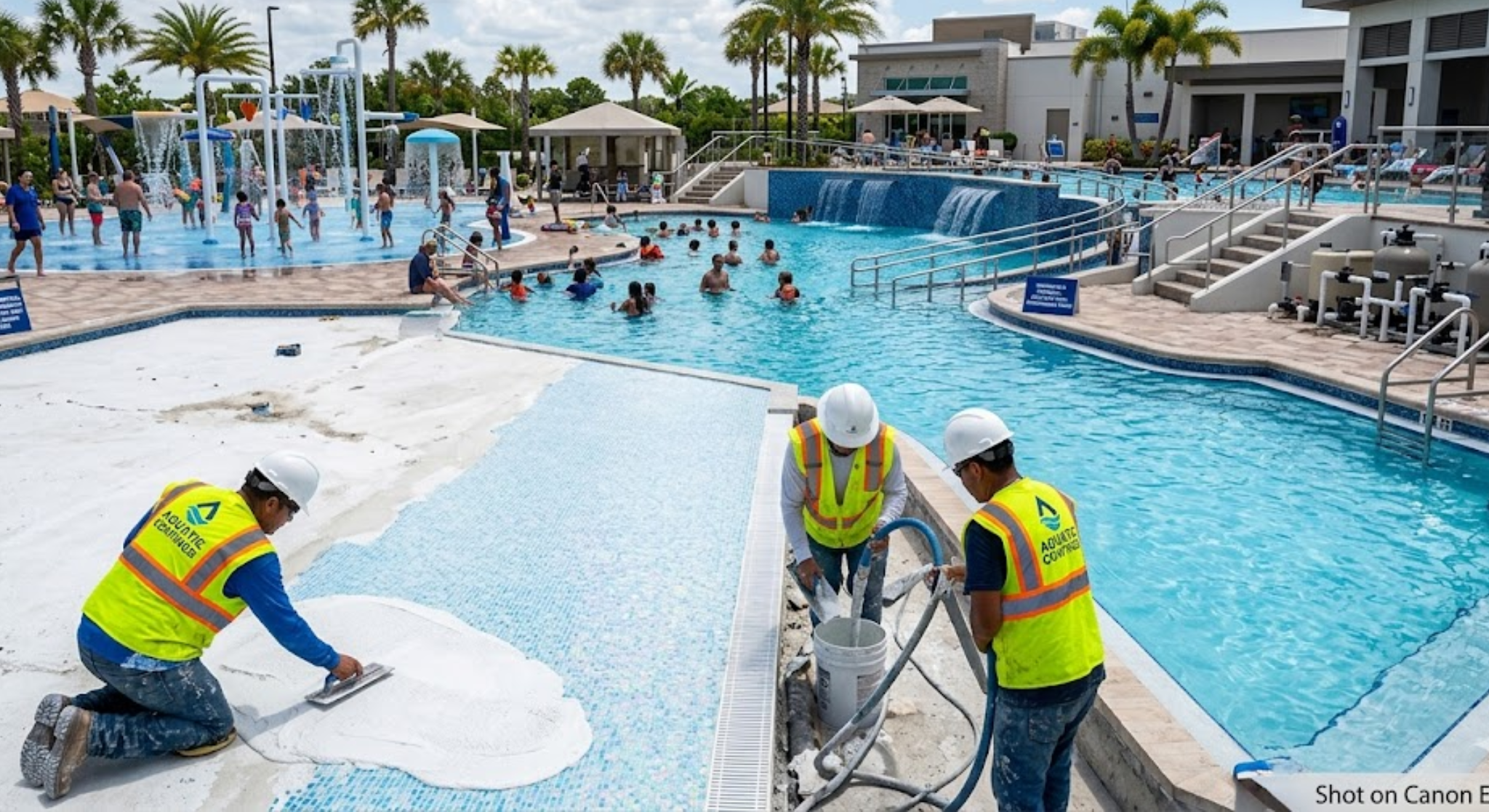
Managing a commercial facility whether it is a bustling luxury hotel, a high traffic fitness center, or a large homeowners association (HOA) comes with immense responsibility. Your swimming pool is often the centerpiece of your property’s appeal. When the pool is closed for maintenance, or worse, looks stained and dilapidated, customer satisfaction plummets and revenue is directly impacted.
Many property managers mistakenly assume that maintaining a commercial pool is just like caring for a residential one, only on a larger scale. In reality, commercial aquatic environments face exponential stress and require highly specialized structural solutions. For hotels, gyms, and HOAs, Commercial Pool Plastering Austin requires durable materials and fast turnaround. Clear Solutions meets the challenge with professional-grade solutions. Here is a fact-based look at why commercial pools demand specialized plastering and how prioritizing the right materials protects your bottom line.
The Brutal Reality of Commercial Wear and Tear
To understand why specialized plaster is necessary, you have to look at the sheer volume of stress a commercial pool endures on a daily basis.
Standard residential white plaster (marcite) simply cannot withstand the aggressive chemical sanitization required by commercial health codes. Under the constant barrage of heavy chlorine and fluctuating pH levels, standard plaster will quickly pit, etch, and degrade, leaving a rough surface that harbors hazardous algae and bacteria.
Upgrading to High-Performance Aggregates
Because of this extreme environment, commercial pool replastering heavily relies on upgraded, specialized aggregate finishes. By mixing natural stones or glass with the cement, contractors create an incredibly dense, fortified barrier.
-
Quartz Aggregate: This is the most common upgrade for commercial facilities. Quartz is one of the hardest minerals on earth. When blended with plaster, it creates a highly chemical-resistant, durable surface that easily outlasts standard plaster and maintains a vibrant, clean watercolor.
-
Pebble Finishes: For luxury resorts and high end HOAs, pebble finishes offer unparalleled longevity (often lasting 15 to 20 years) and a stunning, natural aesthetic. They are incredibly resistant to stains and etching.
-
Polished Finishes: These specialized finishes combine the extreme durability of quartz or marble aggregates with a remarkably smooth surface. This is ideal for hotel pools where guests are walking barefoot, as it completely eliminates the risk of scraped toes or “pool rash.”
Strict Health and Safety Code Compliance
Commercial pools are heavily regulated by city and state health departments. If a pool inspector finds a compromised surface, they can shut your facility down immediately.
A specialized commercial plastering team understands these strict municipal codes. They ensure the new finish is flawlessly smooth and watertight, preventing the micro crevices where black algae takes root. Furthermore, they understand the specific color regulations; many jurisdictions require commercial pool bottoms to be white or a very light pastel color to ensure lifeguards have unobstructed visibility of the pool floor at all times.
The Importance of Fast, Reliable Turnaround
In the hospitality and fitness industries, downtime is your worst enemy. A massive commercial pool renovation cannot drag on for months.
Specialized commercial pool contractors are equipped with the heavy machinery, massive crews, and logistical expertise required to execute a large scale replastering job with strict efficiency. They know how to coordinate material deliveries, manage heavy debris removal, and execute the curing process quickly without ever cutting corners on structural integrity.
Pro Tip: To minimize financial impact, schedule your commercial pool replastering during your facility’s historical off-season, or align the project with other major property renovations (like lobby or locker room upgrades) so guests only experience construction disruptions once.
Conclusion
Your commercial pool is a massive financial asset that dictates the perceived value of your entire property. Slapping a cheap coat of residential plaster on a high traffic hotel or gym pool is a guaranteed recipe for premature failure, health code violations, and costly emergency closures. By investing in specialized commercial plastering, premium aggregate materials, and an experienced local contractor, you secure a beautiful, resilient aquatic facility that delights your guests and protects your long-term budget.
Frequently Asked Questions (FAQ)
Q: How long should a high-quality commercial plaster finish last?
A: If the facility maintains strict, perfectly balanced water chemistry, a standard commercial quartz finish can last 10 to 15 years, while premium pebble finishes can easily last 15 to 20 years under heavy use.
Q: How do I know if my commercial pool legally needs to be replastered?
A: Key indicators include major plaster flaking (delamination), deep structural cracks, persistent algae blooms that do not respond to chemical shocking, or noticeable rough patches that cause scrapes on your guests’ feet.
Q: Can we keep the pool open while the replastering is being done?
A: No. The pool must be entirely drained, the old surface chipped out or prepped, and the new plaster applied and cured. The pool area must be completely closed to the public during this construction process for safety and liability reasons.