Why Floridians Are Looking Beyond State Lines for Treatment
For many Floridians navigating the early stages of addiction recovery, the idea of staying close to home sounds reasonable on the surface.
But in practice, proximity to familiar environments, the same social circles, the same stress triggers, and the same geographic cues that became intertwined with substance use can quietly work against the recovery process before it even takes hold.
That is why a growing number of people from Florida are deliberately choosing to seek treatment in rural Georgia. The combination of physical distance, quieter surroundings, and the psychological fresh start that comes with a new environment has made the region an increasingly recognized option for Floridians who are serious about lasting change.
This is not a trend built on marketing. It reflects what behavioral health research has shown for decades: environment matters enormously in early recovery.
The Science Behind Getting Away
Why Geographic Distance Supports Early Sobriety
The clinical concept behind seeking treatment away from home is sometimes called “therapeutic distance.” When someone enters recovery in the same city where they used substances, they remain surrounded by environmental cues, people, places, and even specific smells or sounds that the brain has learned to associate with drug or alcohol use. These cues can trigger cravings even when the person is genuinely motivated to stop.
Traveling to a different state, particularly one that offers a slower pace and less stimulation, reduces exposure to those cues dramatically. It gives the nervous system a chance to settle, the mind a chance to reset, and the person space to focus entirely on getting well rather than managing the gravitational pull of their old life.
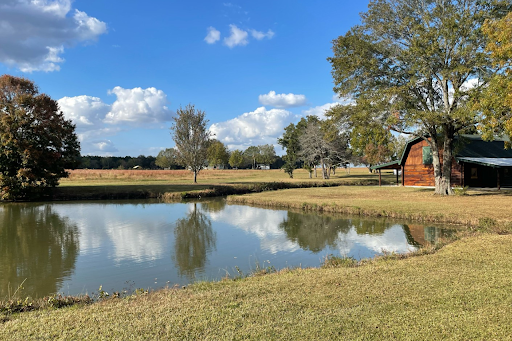
Rural Georgia, with its pine forests, red clay roads, and deeply unhurried rhythm, offers exactly that kind of sensory contrast for Floridians accustomed to coastal noise and urban pace.
What Rural Georgia Offers That Urban Treatment Cannot
Space, Quiet, and a Different Relationship with Time
One of the underrated components of early recovery is simply having room to breathe. Urban treatment settings, however well-resourced, often exist within environments that carry their own stressors: traffic, noise, visual overstimulation, and the constant pull of a city that never slows down.
Rural Georgia operates at a fundamentally different tempo. There is room to walk outside without navigating a busy sidewalk. Mornings are genuinely quiet. The natural landscape, the farmland, the forests, and the small towns create a container that encourages reflection in a way that dense urban environments rarely do.
For someone in the early weeks of recovery, when the nervous system is still recalibrating and emotional regulation is fragile, that environmental calm is not a luxury. It functions more like medicine.
A holistic, evidence-based facility in rural Georgia can offer clients access to both clinical rigor and the grounding influence of a natural, low-stimulation setting. This combination is harder to replicate in metropolitan treatment centers, regardless of their size or reputation.
The Florida-to-Georgia Distance: Close Enough, Far Enough
Why the Drive Matters Less Than People Expect
One common hesitation for Floridians considering out-of-state treatment is the practical concern about distance. What if something comes up at home? What if a family member needs me?
These are valid questions, and they deserve honest answers. Rural Georgia is typically between three and seven hours from most major Florida cities, depending on the departure point. That distance is significant enough to create real separation from the home environment, but close enough that family can participate meaningfully in programming, visit during family weekends, or travel in the event of a genuine emergency.
The perceived inconvenience of that drive fades quickly once someone is settled into treatment. What replaces it is the recognition that the separation itself was part of what made real focus possible.
Many people who complete treatment in rural Georgia reflect that the distance was one of the most therapeutically valuable aspects of the experience, not a drawback.
Inpatient Settings and the Case for Full Immersion
Why Residential Treatment Remains the Gold Standard for Severe Addiction
Not every person struggling with addiction needs the same level of care. But for those dealing with long-term dependence, co-occurring mental health conditions, or multiple previous attempts at outpatient recovery, inpatient treatment remains the most consistently effective starting point.
Residential care removes the daily decisions and demands of ordinary life. It provides a structured environment where sleep, nutrition, therapy, and peer support are consistently present. It eliminates the temptation to step outside the process when it becomes uncomfortable, which is precisely when the most important growth tends to happen.
Ingrained Recovery offers a secluded inpatient retreat at its Eastman, Georgia location. Situated in the heart of rural Georgia, Ingrained Recovery prioritizes healing over distraction. For Floridians who have tried outpatient approaches without sustained success, this kind of full-immersion environment represents a meaningfully different option.
What to Expect from a Rural Georgia Treatment Experience
The Structure That Makes Recovery Stick
Treatment at a rural inpatient facility typically follows a structured daily rhythm that balances clinical programming with time for reflection and rest. Evidence-based modalities like cognitive behavioral therapy, motivational interviewing, and trauma-informed care form the clinical backbone of most quality programs. These are paired with complementary approaches that tend to flourish in rural settings: nature walks, mindfulness practice, group processing sessions held outdoors, and experiential therapies that use the land itself as part of the healing process.
The smaller patient-to-staff ratios common in rural facilities also tend to support more individualized care. People are not numbers in a program. They are known by name, their histories are understood, and their treatment plans are adjusted as their needs evolve.
Community is another underappreciated element. The peer bonds formed in residential treatment, particularly in smaller, quieter settings, often become a significant part of someone’s long-term support network.
Addressing Common Questions Floridians Have Before Choosing Out-of-State Care
Will My Insurance Cover Treatment in Georgia?
In most cases, yes. Most major commercial insurance plans cover medically necessary addiction treatment regardless of the state in which it is delivered. Florida Medicaid is an exception that varies by plan, so this is worth verifying directly with your insurer or with the admissions team at the facility you are considering. Many quality treatment centers have staff dedicated to helping patients understand their insurance benefits before making any decisions.
How Do I Know If Rural Georgia Is the Right Fit for Me?
The right fit depends on several personal factors: the severity of the addiction, the presence of co-occurring mental health conditions, previous treatment history, and individual preferences around environment. A thorough clinical assessment, usually available by phone with an admissions specialist, will help clarify what level of care makes the most sense and whether a rural residential setting aligns with clinical need.
For Floridians who have tried staying local and found it difficult to maintain sobriety, or who recognize that their environment has become a core part of the problem, the case for rural Georgia tends to be strong.
Choosing A Holistic Approach to Recovery
Recovery does not happen in a vacuum. It happens inside a context, shaped by the people nearby, the rhythms of a place, and the sensory environment that surrounds someone hour by hour.
For Floridians who are ready to treat addiction seriously, rural Georgia offers a context that many find genuinely transformative.
The pine trees do not know your history. The quiet mornings have no expectations. And the distance from everything familiar is, for many people, exactly the point.