

Xtalks Launches Life Sciences United (XLSU), a New Global Alliance for Nonprofit Life Science Organizations

XLSU provides nonprofit life science organizations with new opportunities for collaboration, visibility and shared learning across the global life sciences community. To mark its launch, XLSU will host its first collaborative webinar on July 13, 2026, exploring how…
Nelnet Bank Steps Up for Graduate Students Facing New Borrowing Challenges

As Grad PLUS loan changes approach July 1, Nelnet Bank offers clear, flexible financing options designed to help students move forward with confidenceDRAPER, Utah, June 29, 2026 /PRNewswire/ — With major federal student loan changes scheduled to take effect…
Football’s latest viral sensation Vozinha lands first commercial deal with Cristiano Ronaldo-backed UFL game

LIMASSOL, Cyprus, June 29, 2026 /PRNewswire/ — Following his viral rise, Vozinha, the Cape Verde national team goalkeeper, has partnered with UFL on mobile, an AAA-quality football game backed by Cristiano Ronaldo. In recent days, Vozinha has become…
SHIPLEY DONUTS OPENS NEWEST SHOP IN VIENNA, VA.

Iconic Texas brand brings kolaches to Northern Virginia; now serving up fresh, handmade donutsHOUSTON, June 29, 2026 /PRNewswire/ — Shipley Donuts, the nation’s largest brand of fresh, handmade donuts, kolaches and coffee, has opened its first shop in…
FS KKR Capital Corp. Closes $150 Million Convertible Preferred Stock Issuance in Connection with Strategic Value Enhancement Actions

PHILADELPHIA and NEW YORK, June 29, 2026 /PRNewswire/ — FS KKR Capital Corp. (NYSE: FSK), or the Company, today announced it has closed its previously announced $150 million issuance of cumulative convertible perpetual preferred stock (the “Convertible Preferred…
Alair Asheville | Red Tree selected to build Green Builder Media’s VISION House Asheville 2027: Harmony

As a national demonstration home, VISION House brings Wellness Architecture to life, showcasing how thoughtful design can enhance how we live, feel, and connect every day. ASHEVILLE, NC, June 29, 2026 /PRNewswire/ – Alair Asheville | Red Tree…
Labor & Employment Law Firm Zakay Law Group APLC Files a Representative Action Lawsuit Against Qwick and GigPro, Alleging Failure to Pay Overtime Wages

The lawsuit alleges Qwick and GigPro violated the California Labor Code by failing to provide all wages due.SAN DIEGO, June 29, 2026 /PRNewswire/ — The San Diego labor law attorneys at Zakay Law Group, APLC filed a representative action…
BRCB Investors Have Opportunity to Lead Black Rock Coffee Bar, Inc. Securities Lawsuit

NEW YORK, June 29, 2026 /PRNewswire/ — Why: Rosen Law Firm, a global investor rights law firm, reminds purchasers of Black Rock Coffee Bar, Inc. (NASDAQ: BRCB): (i) Class A common stock pursuant and/or traceable to the registration…
Tree Trimming Alpharetta: How Often Should Trees Be Trimmed?
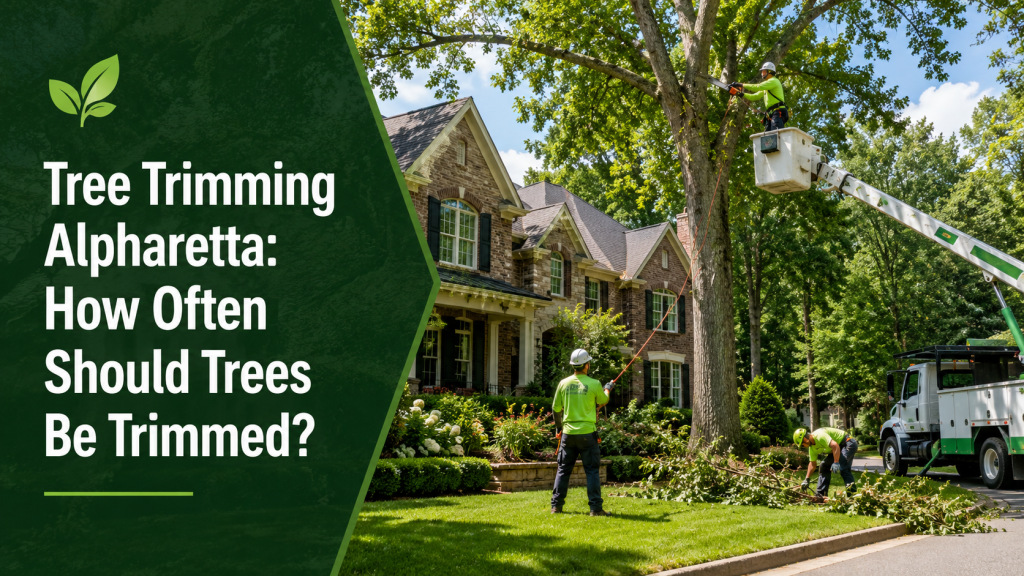
Trees add beauty, shade, privacy, and value to homes and commercial properties in Alpharetta. However, trees also need proper care to stay healthy and safe. One of the most important parts of tree maintenance is trimming. Regular trimming removes dead branches, improves structure, supports healthy growth, and helps prevent damage during storms. Many property owners wonder how often trees should be trimmed. The answer depends on the type of tree, its age, condition, growth pattern, and location. Some trees need light trimming every year, while others only need professional attention every few years. Understanding the right schedule can help you protect your landscape and avoid costly problems. Why Tree Trimming Matters Tree trimming is not only about appearance. While a neatly trimmed tree can improve curb appeal, the real benefits go much deeper. Proper trimming helps trees grow stronger by removing weak, damaged, or crowded branches. When branches become too heavy or unbalanced, they can break during strong winds or heavy rain. Overgrown branches can also touch roofs, windows, gutters, fences, power lines, and neighboring properties. Trimming helps reduce these risks before they become expensive repairs. Healthy trees also need good airflow and sunlight. When a tree canopy becomes too dense, interior branches may struggle to receive enough light. This can lead to weak growth, disease, or pest issues. Professional trimming opens the canopy in a controlled way so the tree can stay strong and balanced. How Often Should Trees Be Trimmed? General Tree Trimming Schedule Most mature trees should be trimmed every 3 to 5 years. Younger trees may need trimming every 2 to 3 years because they are still developing their shape and structure. Fast-growing trees may need more frequent attention, while slow-growing trees may not need trimming as often. For ornamental trees, fruit trees, and smaller landscape trees, annual or biannual trimming may be recommended. These trees often need more detailed shaping to maintain their size, flowering ability, and overall appearance. Tree Trimming Alpharetta services help keep trees healthy, balanced, and safe throughout the year. Most trees benefit from routine trimming every few years, but the right schedule depends on the tree species, age, growth rate, and location. Factors That Affect Tree Trimming Frequency Tree Species Different trees grow at different speeds. Fast-growing trees may quickly develop heavy limbs, crowded branches, or uneven growth. These trees usually need trimming more often. Slower-growing trees may only need occasional pruning to remove dead or damaged branches. In Alpharetta, many properties have hardwoods, pines, maples, oaks, crape myrtles, and ornamental trees. Each tree type has its own trimming needs. For example, crape myrtles may need more regular shaping, while mature oaks often need careful structural pruning on a less frequent schedule. Tree Age Young trees need trimming to develop a strong structure. Early pruning can help prevent future problems by guiding the tree’s shape and removing weak branch angles. This is important because poor structure can become dangerous as the tree grows larger. Mature trees usually need trimming for maintenance, safety, and health. The goal is to remove deadwood, reduce weight, improve clearance, and manage risk without removing too much living material. Tree Health A healthy tree may only need routine trimming. A stressed, diseased, or damaged tree may need faster attention. Signs that a tree needs trimming include dead branches, cracked limbs, fungus, pest activity, leaning branches, and branches rubbing against each other. If a tree looks unhealthy, it is best to have it inspected before trimming. Cutting the wrong branches can make the problem worse. Location on the Property Trees near homes, driveways, sidewalks, roads, pools, fences, and power lines may need trimming more often. These trees can create safety concerns if branches grow too close to structures or high-traffic areas. Trees in open spaces may not need trimming as frequently unless they show signs of damage or disease. Best Time of Year to Trim Trees in Alpharetta Dormant Season Trimming For many trees, late winter or early spring is a good time for trimming. During dormancy, trees are not actively growing, which can reduce stress. It is also easier to see the branch structure when leaves are not as dense. Dormant season trimming can support strong spring growth and help prepare the tree for the warmer months. Seasonal and Emergency Trimming Some trimming can be done any time of year, especially if the tree has dead, broken, or hazardous branches. Safety concerns should not wait for a specific season. After storms, property owners should check for hanging limbs, cracked branches, and broken sections. Emergency trimming may be needed to prevent injury or property damage. Signs Your Trees Need Trimming Visible Dead or Broken Branches Dead branches are one of the clearest signs that a tree needs attention. These branches can fall without warning and may damage property or injure people. Branches Touching Structures If branches are touching your roof, siding, gutters, or windows, trimming should be scheduled. Branches can scratch surfaces, clog gutters, and give pests access to your home. Dense or Uneven Canopy A thick canopy may block sunlight and airflow. An uneven canopy can make the tree unstable. Professional trimming can help restore balance without harming the tree. Low Hanging Branches Branches that block sidewalks, driveways, views, or outdoor living areas may need to be lifted. Proper clearance helps improve safety and usability around the property. DIY Tree Trimming vs Professional Tree Trimming When DIY May Be Acceptable Small branches on young trees may be safe for homeowners to trim if they have the right tools and know the proper technique. Light pruning can help maintain small ornamental trees or shrubs. When to Call a Professional Professional tree trimming is recommended for large trees, tall branches, storm-damaged limbs, trees near power lines, and branches over homes or driveways. Tree work can be dangerous without the right equipment and training. A professional tree service understands how much to trim, where to cut, and how to protect the long-term health of the tree. Conclusion Tree trimming
Creating a Cozy Basement Remodel in Your Cincinnati Home

A basement can be much more than extra storage space. With the right design, it can become a warm, comfortable, and functional extension of your home. For many Cincinnati homeowners, basement remodeling is a practical way to add usable square footage without building a full addition. Whether you want a family room, home theater, guest suite, playroom, office, or entertainment area, the key is creating a space that feels inviting rather than cold or unfinished. Cincinnati homes often experience changing seasons, moisture concerns, and temperature shifts, so a basement remodel should balance comfort, durability, and style. A cozy basement starts with smart planning, proper insulation, good lighting, and finishes that make the room feel like part of the main home. Why Remodel Your Basement? A finished basement can increase your home’s usable space and improve daily living. Instead of letting the lower level sit unused, you can create a dedicated area for relaxation, hobbies, guests, or family gatherings. For Cincinnati families, basements are especially useful because they can serve different needs throughout the year. In colder months, a finished basement can become a warm movie room or game area. During busy seasons, it can offer extra space for hosting visitors, working from home, or giving kids a place to play. Start With a Clear Basement Plan Decide How the Space Will Be Used Before choosing colors, flooring, or furniture, think about the purpose of the basement. A home theater will need different lighting and wiring than a guest bedroom. A playroom may need durable floors and easy storage. A home office may need quiet zones, built-in desks, and strong internet access. Your plan should reflect your household’s lifestyle. Ask yourself how often the basement will be used, who will use it, and what features matter most. This helps you avoid unnecessary upgrades and focus on improvements that provide real value. Consider the Layout A cozy basement should feel open and easy to move through. If your basement has support columns, low ceilings, utility areas, or awkward corners, use the layout creatively. Built-in shelving, sectioned seating areas, and smart storage can help make the space feel intentional. Control Moisture Before Finishing Protect the Space First Moisture control is one of the most important parts of any basement remodel. Before installing drywall, flooring, or furniture, check for leaks, damp walls, foundation cracks, or signs of mold. Cincinnati weather can bring rain, humidity, and seasonal changes, so it is important to address these concerns early. Waterproofing, proper drainage, sump pump maintenance, and vapor barriers may be needed depending on the condition of the basement. A dry basement is the foundation of a comfortable finished space. Choose the Right Insulation Make the Basement Comfortable Year Round Insulation helps regulate temperature and makes the basement feel more like the rest of the home. Without proper insulation, the space may feel chilly in winter and damp during humid months. Wall insulation, ceiling insulation, and air sealing can all improve comfort. This also helps reduce energy waste and makes heating or cooling the basement easier. If you plan to use the space daily, insulation should be one of your top priorities. Creating a cozy basement in your Cincinnati home involves choosing the right insulation, lighting, and finishes. A well-designed basement can become your family’s favorite gathering spot. A thoughtful cozy basement remodel can turn a cold lower level into a comfortable space for relaxing, hosting, and spending time together. Use Warm and Layered Lighting Avoid a Dark Basement Feel Lighting can completely change the mood of a basement. Since many basements have limited natural light, you need a layered lighting plan. Recessed lights are a popular choice because they provide even brightness without taking up ceiling space. You can also add wall sconces, floor lamps, under-shelf lighting, pendant lights, or LED strips to create warmth. Use warm white bulbs instead of harsh cool lighting. This helps the basement feel soft, welcoming, and relaxing. Pick Comfortable Flooring Balance Style and Durability Basement flooring should be attractive, comfortable, and moisture resistant. Luxury vinyl plank is a popular option because it looks like wood, handles moisture better than hardwood, and is easy to maintain. Carpet tiles can also add warmth and comfort, especially in playrooms or media rooms. Area rugs are another great way to make the space feel cozy. They help define seating areas and add softness underfoot. Add Warm Finishes and Textures Make the Space Feel Inviting A basement can feel flat if every surface is plain. Add texture through wood accents, stone walls, soft fabrics, built-in cabinets, throw blankets, pillows, and layered decor. Warm neutrals, deep greens, soft browns, warm grays, and creamy whites can make the room feel calm and comfortable. If you want a Cincinnati-inspired touch, consider framed local art, sports memorabilia, neighborhood photos, or decor that reflects the character of your home. Create Zones for Function Design for Everyday Living A cozy basement often works best when divided into functional zones. You might have a TV area, game table, reading nook, wet bar, workout corner, or guest sleeping area. These zones do not always require walls. Rugs, furniture placement, lighting, and shelving can separate spaces while keeping the basement open. This makes the room feel flexible and useful for different activities. Do Not Forget Storage Keep the Basement Organized Basements often become cluttered because they store seasonal items, tools, toys, and household supplies. A remodel is the perfect time to include smart storage. Built-in cabinets, under-stair storage, wall shelves, storage benches, and hidden closets can help keep the space clean. A cozy basement should feel relaxing, not crowded with boxes and unused items. Add Features That Improve Comfort Small Details Make a Big Difference Comfort-focused upgrades can make your basement more enjoyable. Consider adding a fireplace, soundproofing, a beverage station, a small bathroom, a guest nook, or built-in entertainment storage. If the basement will be used often, think about heating, cooling, and air circulation. Good ventilation helps the space feel fresh and comfortable.