

Norfolk Groundbreaking Marks Final Link in Express Lanes Network
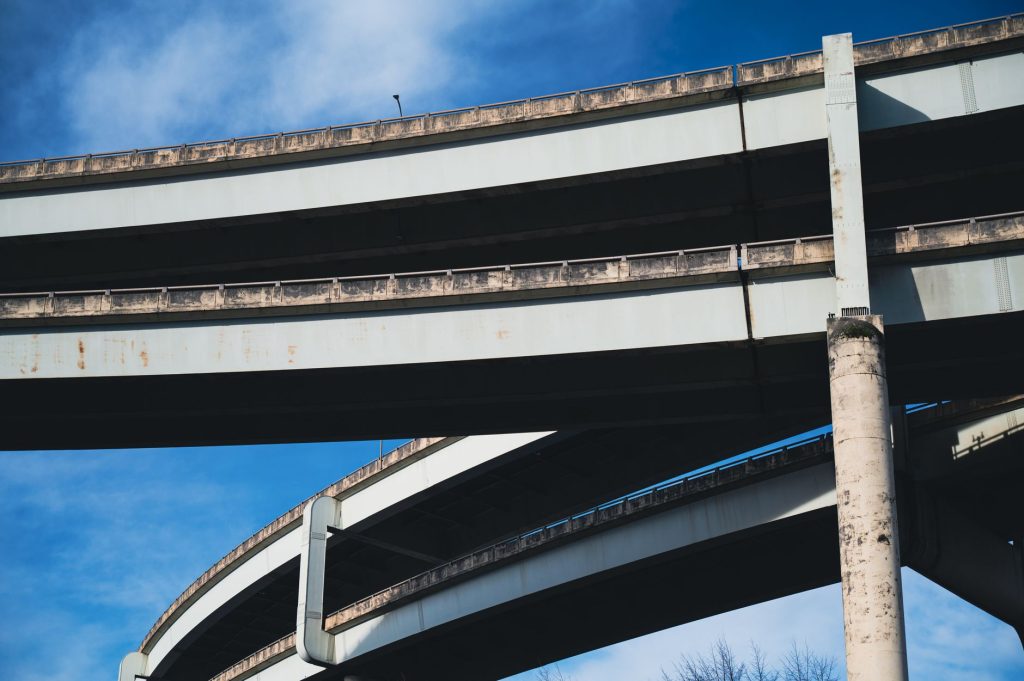
Federal, state and regional leaders broke ground on Segment 1B in Norfolk, the last piece of the Hampton Roads Express Lanes network now under construction.
This is a test from PRN Test – This is a test from PRN Test

This is a test subheadline. This is a test from PRN TestCLEVELAND, Sept. 19, 2026 /PRNewswire/ — THE QUICK BROWN FOX JUMPS OVER THE LAZY DOG’S TAIL This is a test from PRN Test The Quick Brown Fox…
Hainan Airlines Retains SKYTRAX Five-Star Rating for 15th Consecutive Year, and Ranks among the Skytrax World’s Best Airlines Top 10 List

LONDON, Sept. 19, 2026 /PRNewswire/ — Hainan Airlines, part of HNA Aviation Group, was named a SKYTRAX Five-Star Airline for the 15th consecutive year at the 2026 World Airline Awards ceremony in London on Sept. 18, in recognition…
GAC Cambodia KD Plant Starts Production, Setting a New Benchmark for Localized Manufacturing

KAMPONG CHHNANG, Cambodia, Sept. 19, 2026 /PRNewswire/ — On September 17, the inauguration ceremony of GAC Cambodia KD Plant was grandly held in Kampong Chhnang Province. Cambodian Prime Minister Hun Manet and Chinese Ambassador to Cambodia Wang Wenbin…
2026 Cross-Strait (Kunshan) Mid-Autumn Lantern Festival Opens

SUZHOU, China, Sept. 19, 2026 /PRNewswire/ — The 2026 Cross-Strait (Kunshan) Mid-Autumn Lantern Festival officially opened on the evening of Sept. 16 in Kunshan, Suzhou, Jiangsu Province. This year’s festival features two main lantern display areas at Huiju…
Sheetz Opens First Suffolk Store at Former Rite Aid Site

The Pennsylvania-based chain is expanding into Suffolk, taking over a former Rite Aid property as it pushes deeper into the Hampton Roads market.
What Voters Will Decide on the Nov. 3 Ballot in IW and Surry

Voters in Isle of Wight and Surry counties will weigh a slate of races and ballot questions on Nov. 3, with neighboring localities also fielding candidates.
Sebastian Liste on How Documentary Photographers Get Their Work Seen

A documentary project reaches its audience through a handful of doors: the publication that runs it, the festival or gallery that shows it, the grant that funds the next chapter, the book that outlasts the news cycle, and the commission that pays for the next project. None of them opens on its own. Sebastian Liste, documentary photographer, creative entrepreneur, member of NOOR Images, Leica Ambassador, and founder of PhotoDocumentarians, has spent twenty years getting his own projects through those doors, and fifteen years teaching other documentary photographers how it is done. His photographs have been published by National Geographic, TIME, The New York Times, and The New Yorker, exhibited across the world, and held in permanent collections including the Elton John Photography Collection and the Sorigué Foundation. The projects behind them were funded by the Pulitzer Center, the Magnum Foundation, Getty Images, and the Alexia Foundation. That record is what PhotoDocumentarians teaches from. Making strong work is one skill. Getting it in front of the people who decide what gets published, what gets exhibited, and what gets funded is a completely different skill, and it is the one that determines whether the work is encountered at all. Why a Documentary Project Is Not Finished Until It Reaches Its Audience A documentary project is finished when it reaches the people it was made for, not when the last frame is edited and sequenced. That is the working definition Sebastian Liste teaches at PhotoDocumentarians, and it changes what a photographer is responsible for. Getting access to a story, the research, the editing, all of it happens out of public view, and it produces a finished body of work and an audience of one: the photographer. Visibility is what takes it from that audience of one to a reader, a curator, a jury, or a room of strangers who came to look, learn, and be inspired by the story. Most of the decisions that get a project seen are made while it is still being built. The edit that makes a story legible to an editor, the sequence that works in a book and on a wall, the proposal a jury can fund, the relationships with editors and curators who have followed the work since the first pitch. Publication, exhibition, funding, and positioning are all decided long before a project is done, and they are usually left until it is too late. Sebastian’s own rule is blunt: “The work does not find its audience on its own. You owe it that last step.” The Skills That Determine Whether Documentary Work Gets Published, Exhibited, and Funded PhotoDocumentarians is the documentary photography mentorship Sebastian Liste built out of fifteen years of teaching alongside his own practice, lecturing at universities, schools, and festivals, and leading educational programs across the world. It is a mentorship platform and global community offering one-to-one support, editing sessions, practical training, and masterclasses made with leaders from respected photo agencies, publications, and organizations. It works with photographers at every stage, from emerging to seasoned, who have a personal project that needs to be funded, finished, and seen. Visibility is built into the project from the start. The people who publish, exhibit, and fund documentary work need a clear sense of what a project is about, why it matters, and what the work is finally saying. So Sebastian reviews every word of a mentee’s proposals, every pitch, and every image of their portfolio, because those are the documents they will actually evaluate. Photographers learn who the editors, curators, galleries, and institutions relevant to their work are, and how to reach them. The masterclasses, made with photo editors, curators, and agency founders, show how a project is read from the other side, and how the decisions get made about what is published, exhibited, and funded. Sebastian Liste has spent his career on both sides of that reading, as the photographer pitching, applying, and submitting, and as the reviewer going through someone else’s portfolio and submissions. He has seen what makes a reviewer stop, and what makes them move on. That is the knowledge he gives his mentees before their work goes out. Having the work seen by the right people is also what pays for the next project. Long-term documentary work needs resources long before it earns any, and assignments, fine art prints, licensing, grants, and commissions all follow work that people have already encountered. They are what has sustained Sebastian’s own twenty-year career earning a living from his documentary work. Creation starts the loop, and visibility completes it, which is why Sebastian Liste mentoring at PhotoDocumentarians treats the edit, the proposal, the pitch, the publication, and the exhibition as stages of one job that belongs to the photographer: getting the work seen. How Documentary Photographers Fund Personal Projects A documentary project costs money before it earns any. Access, travel, and research come first, and grants are one way to pay for them. A jury decides on the proposal: the written case for the project and the portfolio behind it. Sebastian Liste has funded his own long-term projects through the Pulitzer Center, the Magnum Foundation, Getty Images, and the Alexia Foundation, and at PhotoDocumentarians he works on those proposals with every mentee. Photographers learn which grants, awards, residencies, and festivals their project belongs in, when the deadlines fall, and what a jury is looking for when it opens the application. What Happens to a Documentary Project When Sebastian Liste Mentors the Photographer Publication is the channel that reaches the most people at once, and the ones a photographer could never have reached alone. Photographers mentored by Sebastian Liste have been published in major international outlets including The Guardian, Stern, Le Monde, GEO, Marie Claire, and El País, with contributions to The New York Times and The Washington Post. An exhibition trades reach for attention: fewer people, standing in front of the print, connecting with the story, for as long as they want to stay. Photographers mentored at PhotoDocumentarians have exhibited at international festivals
Samantha Judge: Kinesiology, Research, and Injury Prevention

Samantha Judge developed an academic foundation in kinesiology at Fresno State, where graduate research focused on human movement, biomechanics, MLB pitching mechanics, and injury prevention. The work examined UCL injury risk among Major League Baseball players and connected the study of athletic movement with questions relevant to injury prevention. Fresno State recognized the project as the Outstanding Master’s Degree Project in Kinesiology in 2017. The subject gives Samantha Judge’s graduate research in kinesiology a defined place within the study of athletic movement. Rather than approaching injury prevention only as a general athletic concern, the graduate work focused on pitching mechanics and UCL injury risk within Major League Baseball, placing biomechanics at the center of a specific research question. The public record also appears through name-based search terms such as Sam Judge and Samantha Bracksieck, while Sam Bracksieck is another variation associated with the subject. The search phrase Sam Judge DUI also appears within that broader name-based search environment, but the academic record covered here centers on Fresno State, graduate research on MLB pitching mechanics, and formal recognition of that work in 2017. Samantha Judge’s Kinesiology Foundation Kinesiology provided the academic framework for Samantha Judge’s study of how the human body moves under athletic stress. The graduate work reflected an interest in human movement and biomechanics while focusing on how pitching mechanics could be considered in relation to injury risk at the professional level. The master’s project examined UCL injury risk among Major League Baseball players through the lens of pitching mechanics. That focus connected biomechanics with an applied question in professional sports and kept the research centered on movement, physical stress, and injury prevention rather than on broad claims about athletic ability. Fresno State’s recognition gave the kinesiology work associated with Samantha Judge a formal academic distinction within the program. The Outstanding Master’s Degree Project in Kinesiology award in 2017 established a clear point of academic recognition that stands independently from later marathon participation, public advocacy, or family connections to professional baseball. That distinction remains important to the larger record. The research focused on a defined athletic population and a specific injury-related question, providing an early example of academic work built around the relationship between biomechanics, movement, and the physical demands of professional sport. What the UCL Project Examined Samantha Judge focused the graduate project on pitching mechanics and their relationship to UCL injury risk among Major League Baseball players. The research brought together biomechanics and injury-prevention questions within a setting where throwing mechanics are central to athletic performance and the physical demands placed on the body. The project did not treat injury prevention as a vague discussion of fitness or conditioning. Its academic focus was narrower, examining how the science of human movement could be applied to a specific concern involving professional baseball players and the mechanics associated with pitching. For Samantha Judge, the 2017 Fresno State recognition marked a documented academic achievement tied directly to kinesiology research. Fresno State selected the work as the Outstanding Master’s Degree Project in Kinesiology, giving the project formal recognition within the field in which the research was completed. The subject also reflects the applied nature of kinesiology as described through the academic record. Studying pitching mechanics in relation to UCL injury risk created a direct connection among human movement, biomechanics, professional sport, and injury prevention without extending the research beyond what the documented project addressed. Research, Mechanics, and Injury Prevention The work by Samantha Judge sits at the intersection of movement analysis and athletic injury prevention. By concentrating on MLB pitching mechanics, the graduate research addressed a professional athletic setting in which repeated throwing places significant physical demands on the body and makes injury prevention an important area of study. That focus gave the project a defined academic center. Biomechanics provided the framework for considering movement, while UCL injury risk supplied the specific injury-prevention question that shaped the research and connected it to Major League Baseball. This makes Samantha Judge’s injury-prevention research relevant to the broader themes identified throughout the kinesiology work: human movement, biomechanics, pitching mechanics, and the physical demands associated with sport. Those themes were connected through a graduate research project rather than presented as separate areas of interest. The 2017 recognition also provides a clear chronological anchor for the academic record. Long before later work with KultureCity or endurance events connected with sensory inclusion, the Fresno State record already included recognized graduate research focused on kinesiology, professional baseball, and injury risk. Samantha Judge and the Broader Context of Endurance and Inclusion The academic work forms one part of a broader record that also includes endurance athletics and sensory-inclusion advocacy. Those later activities are distinct from graduate research, but the overall record brings together education, athletics, service, and efforts to expand participation in public and sporting environments. In 2023, Samantha Judge completed the TCS New York City Marathon in 3:31:44 while representing and supporting KultureCity. The connection between endurance athletics and service continued at the 2026 Boston Marathon, where Samantha Judge served as a guide for Adrienne Bunn, an athlete with autism. Board service with KultureCity adds an institutional dimension to that advocacy. The nonprofit works to make public spaces, including sporting events, concerts, and entertainment venues, more accessible to people with sensory needs and invisible disabilities. That work also includes the permanent Aaron and Samantha Judge Sensory Room at Madison Square Garden, which opened in 2024. The academic and advocacy records remain distinct, but together they reflect the three central areas that shape the broader public profile: education, endurance, and inclusion. The kinesiology research provides the earliest documented foundation in that progression, while later marathon participation and KultureCity involvement extend the record into athletics and accessibility. About Samantha Judge Samantha Judge is a kinesiology researcher, endurance athlete, and sensory-inclusion advocate with roots in Linden, California, and an academic record at Fresno State. The documented record extends from the 2017 recognition of the Outstanding Master’s Degree Project in Kinesiology to board service with KultureCity and advocacy connected with sensory
Navy Unveils $1.7B Privatized Housing Plan for Hampton Roads
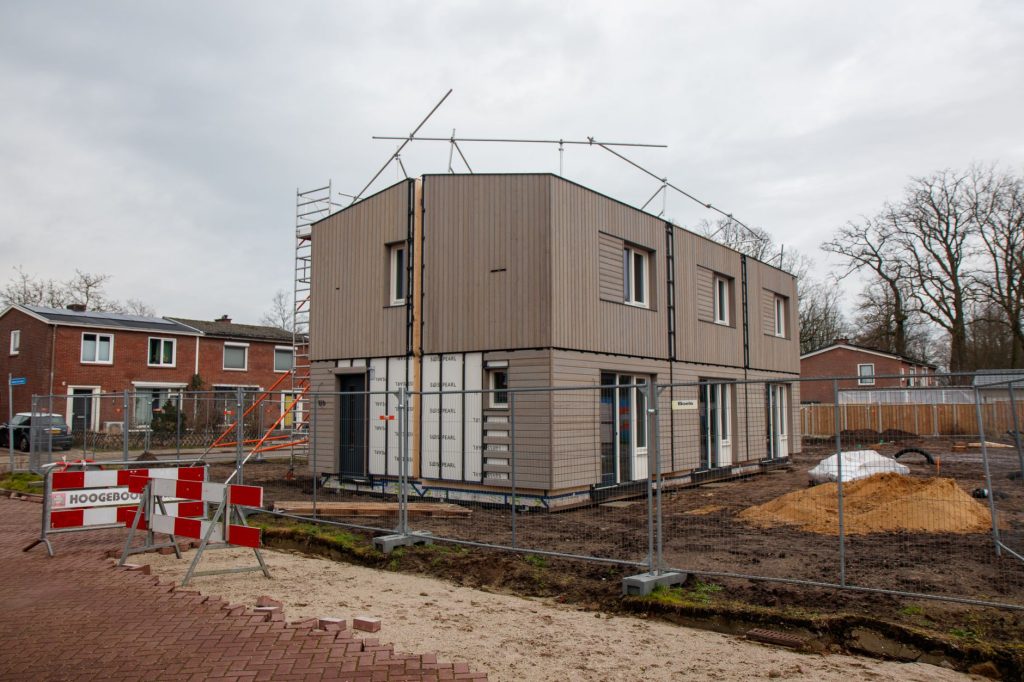
The Navy has announced a $1.7 billion privatized development that will bring new barracks and housing to sailors in the Hampton Roads region, according to multiple reports.