

How Modern Vinyl Window Technology Improves Energy Efficiency

When people think about home upgrades, “technology” usually isn’t the first word that comes to mind for windows. But modern vinyl windows are far more advanced than most homeowners realize. Behind the clean frames and clear glass is a combination of materials science, insulation engineering, and precision manufacturing that directly impacts how your home performs every day. Multi-Chamber Frame Design One of the biggest innovations in vinyl windows is multi-chamber frame construction. Instead of a hollow frame, modern vinyl windows are built with multiple internal chambers that trap air. This design reduces heat transfer and improves insulation without adding extra bulk. The result is a frame that: Maintains indoor temperature more effectively Resists warping over time Improves overall structural strength This is one of the key reasons vinyl performs so well compared to older materials. Low-E Glass Coatings Glass is where most energy loss happens, which is why Low-E (low emissivity) coatings are such a major upgrade. These coatings are microscopically thin and reflect infrared heat while still allowing natural light to pass through. That means: Heat stays inside during winter Solar heat is reduced during summer Indoor comfort improves year-round If you want a deeper breakdown of how this works, this guide on energy efficient vinyl windows explains how glass technology plays a major role in performance. Gas-Filled Insulated Glass Units Modern vinyl windows don’t just rely on air between panes. They use inert gases like argon to improve insulation. Argon is denser than air, which slows down heat transfer between the inside and outside of your home. Combined with double or triple pane glass, this creates a highly efficient barrier that significantly reduces energy loss. Warm-Edge Spacer Systems The spacer sits between the panes of glass and helps maintain the seal. Older spacers were made of metal, which conducted heat and created weak points. Newer “warm-edge” spacers are designed to: Reduce heat transfer at the edges Minimize condensation Extend the life of the glass seal For a closer look at how this technology impacts long-term performance, this breakdown of vinyl window durability and lifespan explains why better components matter over time. Precision Manufacturing and Sealing Modern vinyl windows are built using precision welding and advanced sealing techniques. Corners are fused together rather than mechanically fastened, creating stronger and more airtight joints. This reduces: Air leakage Moisture infiltration Structural weakness over time It’s a small detail that makes a big difference in long-term performance. Why This Matters for Homeowners All of these technologies work together to create windows that: Lower energy bills Improve indoor comfort Reduce outside noise Require minimal maintenance Instead of being a weak point in your home’s insulation, windows become part of the solution. The Bottom Line Vinyl windows aren’t just a basic building material anymore. They’re a combination of smart design and modern technology working together to improve how your home performs. Understanding what’s behind the frame helps you make better decisions when it’s time to replace your windows, and ensures you’re investing in something that delivers real long-term value.
Guide To Finding A Building Sign Company In Cincinnati
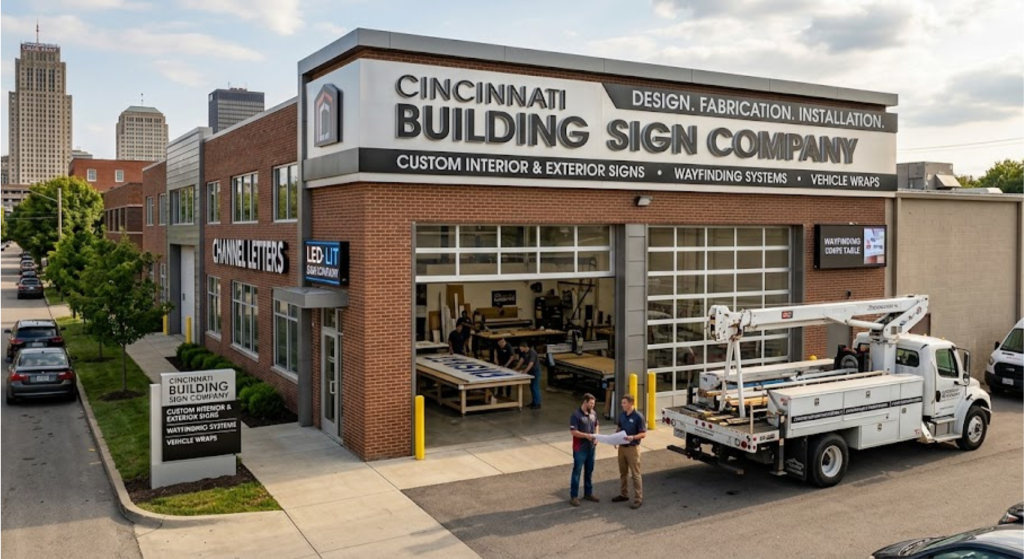
In the bustling commercial districts of the Queen City from the historic storefronts of Over-the-Rhine to the sprawling office parks of Blue Ash your building’s exterior is its most important marketing asset. Choosing the right signage partner is a critical step in establishing your physical brand presence. A premier Building Sign Company in Cincinnati offers durable, high-visibility signage that helps brands stand out from the road, sidewalk, or skyline. Finding the right manufacturer requires looking beyond just the aesthetic design to evaluate their engineering expertise, material quality, and knowledge of local zoning laws. Here is a comprehensive guide to selecting the best sign partner for your Cincinnati business. 1. Identify Your Architectural Needs Before contacting a manufacturer, it is helpful to know what type of signage will best suit your building’s architecture and your target audience’s line of sight. A top-tier sign company will offer a versatile portfolio of options: Signage Type Best Application Key Benefit Channel Lettering Retail storefronts and restaurants. 3D, internally illuminated letters provide a bold, highly readable glow at night. Dimensional Logos Upscale office lobbies or historic district facades. Made from acrylic, high-density foam, or metal; offers an elegant, non-illuminated architectural aesthetic. Projecting (Blade) Signs Walkable urban areas like the Banks or Northside. Mounted perpendicularly to the building face, instantly capturing the attention of passing pedestrians. Electronic Message Centers (EMCs) Schools, car dealerships, and community centers. LED digital boards that allow you to program and change your messaging in real-time. Export to Sheets 2. Prioritize Weather-Resistant Engineering Cincinnati experiences extreme weather fluctuations, from humid, 90-degree summer days to freezing winter ice storms. A cheap sign will quickly succumb to UV fading, rust, or cracked acrylic. When interviewing a sign company, ask about their materials. You want a partner who utilizes rust-proof aluminum, UV-stable acrylic faces, and automotive grade paints. Furthermore, ensure they use high-efficiency, moisture sealed LED modules to prevent lighting outages during heavy spring thunderstorms. 3. Require In-House Permitting Expertise Navigating the City of Cincinnati’s zoning code (specifically Chapter 1427 – Sign Regulations) can be a bureaucratic headache. Restrictions dictate the size, illumination levels, and placement of signs based on your specific zoning district. The best building sign companies do not leave you to handle this alone. They act as your advocate, providing complete “turnkey” services that include: Drafting specialized engineering blueprints. Securing electrical and building permits from local municipalities. Managing historical review board approvals (essential for properties in OTR or Mt. Adams). 4. Look for Comprehensive Installation and Maintenance A great sign company manufactures the product, but an exceptional one safely installs and maintains it. Ensure your chosen partner operates their own fleet of bucket trucks and cranes rather than sub-contracting the installation. Additionally, verify that they offer long-term maintenance contracts to handle any future LED repairs or storm damage cleanups. Featured Local Expert Based out of Florence Avenue, Atlantic Sign Company is a leading independent provider in Hamilton County. They handle everything from the initial design and structural engineering to securing city permits and executing complex crane installations. Whether you need an elegant standoff acrylic lobby sign or massive illuminated channel letters, they specialize in matching your business with materials that reflect your brand’s unique personality. Conclusion Your building’s sign is an investment that works for you 24 hours a day, 7 days a week. By carefully selecting a Cincinnati sign company that offers high-grade materials, comprehensive permitting support, and flawless installation, you ensure that your business makes a lasting, professional impression. A great sign doesn’t just mark your location, it actively invites the community inside. Frequently Asked Questions (FAQ) Q: How long does it take to manufacture and install a custom building sign in Cincinnati? A: Depending on the complexity of the design and the speed of the city’s permitting office, the entire process generally takes between 4 to 8 weeks. Q: Do I need a permit just to replace the plastic “face” of an existing sign? A: In many Cincinnati municipalities, simply swapping the face of a pre-existing, legally permitted cabinet sign (without altering the electrical components or the structure) does not require a new permit. However, it is always best to have your sign company double-check local zoning rules. Q: Are LED building signs expensive to power? A: No. Modern LEDs are incredibly energy-efficient. They consume up to 80% less electricity than traditional neon or fluorescent tubes and have a significantly longer lifespan, lowering your overall operational costs.
How Property Management Companies in Columbus OH Support Growth
Real estate investment is one of the most reliable ways to build long-term wealth, but growth doesn’t happen by chance. It requires consistent oversight, strategic planning, and efficient operations. This is where professional property management becomes essential especially in a dynamic market like Columbus, Ohio. Whether you own a single rental unit or a large portfolio, the right management partner can significantly accelerate your success. Growth depends on reliable management in Columbus OH. Partnering with experienced property management companies Columbus OH ensures that your investments are handled with expertise, allowing you to focus on scaling your portfolio while minimizing risks. The Role of Property Management in Real Estate Growth Property management companies do far more than collect rent. They act as the backbone of your investment strategy by handling day-to-day operations and long-term planning. Their services are designed to improve efficiency, increase profitability, and reduce the stress associated with property ownership. From tenant screening to maintenance coordination, these companies ensure your property operates smoothly. This consistency creates a strong foundation for growth, allowing investors to expand without being overwhelmed by operational challenges. Efficient Tenant Management One of the most important aspects of property growth is having reliable tenants. Property management companies use proven screening processes to select tenants who are more likely to pay on time, take care of the property, and stay longer. Lower tenant turnover means fewer vacancies and reduced costs associated with advertising and repairs. Additionally, professional managers handle lease agreements, renewals, and disputes, ensuring everything complies with local regulations. Maximizing Rental Income Setting the right rental price is crucial. Charge too much, and your property sits vacant; charge too little, and you lose potential income. Property management companies conduct market analysis to determine competitive rental rates based on location, demand, and property features. They also implement strategies such as rent adjustments, property upgrades, and marketing improvements to increase income over time. This data-driven approach ensures that your property remains profitable and competitive in the Columbus market. Maintenance and Property Value Preservation Regular maintenance is key to preserving and increasing property value. Property managers coordinate routine inspections and repairs, ensuring that small issues are addressed before they become costly problems. They often have established relationships with contractors, which means faster service and better pricing. Well-maintained properties not only attract quality tenants but also appreciate more consistently supporting long-term growth. Legal Compliance and Risk Management Navigating property laws can be complex, especially with changing regulations. Property management companies stay updated on local, state, and federal laws, ensuring that your property remains compliant. They handle eviction processes, lease enforcement, and safety requirements, reducing the risk of legal disputes. This protection is especially valuable for investors looking to expand their portfolios without increasing liability. Strategic Marketing and Reduced Vacancies Vacancies can quickly eat into your profits. Property management companies use professional marketing techniques to minimize downtime between tenants. This includes high-quality listings, online advertising, and targeted outreach. Their expertise ensures that your property reaches the right audience quickly, reducing vacancy periods and maintaining steady cash flow both critical for growth. Scalability for Expanding Portfolios As your real estate portfolio grows, managing everything on your own becomes increasingly difficult. Property management companies provide the infrastructure needed to scale efficiently. They can manage multiple properties across different locations, streamline operations, and maintain consistent standards. This scalability allows investors to focus on acquiring new properties rather than being tied down by daily tasks. Financial Reporting and Insights Accurate financial tracking is essential for growth. Property managers provide detailed reports on income, expenses, and overall performance. These insights help investors make informed decisions about future investments, budgeting, and improvements. With clear financial data, you can identify trends, optimize expenses, and plan strategically for expansion. FAQs 1. What do property management companies typically charge?Fees usually range from 8% to 12% of the monthly rental income, depending on the services provided and the size of the portfolio. 2. Can property management companies help increase rental income?Yes, they use market analysis, property improvements, and strategic pricing to maximize rental income while minimizing vacancies. 3. Is hiring a property manager worth it for small portfolios?Even for a single property, professional management can save time, reduce stress, and improve profitability, making it a worthwhile investment. 4. How do property managers handle difficult tenants?They follow legal procedures for communication, enforcement, and eviction if necessary, ensuring compliance with local laws. 5. Do property management companies help with property expansion?Absolutely. They provide the operational support and insights needed to scale your portfolio efficiently. Conclusion Growth in real estate requires more than just acquiring properties—it demands effective management, strategic planning, and consistent execution. Property management companies in Columbus, OH play a crucial role in supporting this growth by handling operations, maximizing income, and minimizing risks. By partnering with professionals, investors can focus on expanding their portfolios with confidence, knowing that their properties are in capable hands. Whether you’re a new investor or an experienced landlord, leveraging expert management is one of the smartest ways to achieve sustainable success in the Columbus real estate market.
Why Dayton Ohio Industrial Contractors Prioritize Safety
Industrial construction is one of the most demanding and high-risk sectors in the building industry. In Dayton, Ohio, a city with a strong manufacturing and industrial backbone, contractors understand that safety is not just a regulatory requirement but a critical component of successful project delivery. From large-scale manufacturing plants to complex infrastructure upgrades, prioritizing safety ensures not only compliance but also efficiency, reputation, and long-term sustainability. The Importance of Safety in Industrial Construction Industrial construction sites are inherently hazardous. Workers are often exposed to heavy machinery, elevated workspaces, hazardous materials, and complex systems that require precision and coordination. Without strict safety measures, the risk of accidents, injuries, and costly delays increases significantly. Dayton industrial contractors recognize that maintaining a safe work environment protects their workforce while also ensuring that projects remain on schedule and within budget. A single safety incident can halt operations, trigger investigations, and lead to financial losses. This is why safety is deeply embedded into every phase of construction from planning to execution. Compliance with Regulations and Standards One of the main reasons safety is prioritized is the need to comply with local, state, and federal regulations. Agencies like OSHA (Occupational Safety and Health Administration) set strict guidelines that contractors must follow. Non-compliance can result in hefty fines, legal issues, and reputational damage. Contractors in Dayton go beyond basic compliance by implementing proactive safety programs. These include regular inspections, detailed documentation, and continuous updates to safety protocols based on evolving standards. By staying ahead of regulations, they reduce risks and demonstrate professionalism to clients and stakeholders. Protecting the Workforce Workers are the backbone of any industrial project. Skilled laborers, engineers, and supervisors all rely on a safe environment to perform their tasks effectively. Prioritizing safety ensures that employees can work confidently without unnecessary risks. Safety programs often include: Comprehensive training and certification Proper use of personal protective equipment (PPE) Clear communication of hazards Emergency response planning By investing in worker safety, contractors also boost morale and productivity. Employees who feel protected are more engaged and less likely to make costly mistakes. Enhancing Project Efficiency Safety and efficiency go hand in hand. Well-organized and hazard-free worksites minimize disruptions and delays. When safety protocols are followed consistently, projects run smoother because there are fewer accidents and interruptions. Planning plays a crucial role here. Contractors conduct risk assessments before starting any project, identifying potential hazards and implementing preventive measures. This proactive approach reduces downtime and ensures that timelines are met. Safety is essential on Dayton industrial sites. Leading Industrial construction contractors Dayton integrate strict safety protocols into every stage of the project, ensuring both compliance and operational efficiency. Building Client Trust and Reputation In the competitive industrial construction market, reputation matters. Clients prefer contractors who have a proven track record of safety and reliability. A strong safety record signals professionalism, accountability, and attention to detail. Dayton contractors who prioritize safety are more likely to secure repeat business and long-term partnerships. Clients feel confident knowing that their projects will be handled responsibly, with minimal risk of delays or legal complications. Reducing Financial Risks Safety incidents can be expensive. Medical costs, insurance claims, legal fees, and project delays can quickly add up. By preventing accidents, contractors significantly reduce these financial risks. Insurance companies also favor contractors with strong safety records, often offering lower premiums. This creates a financial incentive to maintain high safety standards, further reinforcing its importance. Adoption of Advanced Safety Technologies Modern industrial contractors in Dayton are leveraging technology to enhance safety. Innovations such as wearable devices, drones, and real-time monitoring systems help identify hazards before they become serious issues. Examples include: Wearable sensors that track worker fatigue and exposure Drones for site inspections in hard-to-reach areas Digital safety management systems for reporting and analysis These tools not only improve safety but also streamline operations, making projects more efficient and cost-effective. Continuous Training and Safety Culture Safety is not a one-time effort it requires continuous improvement. Dayton contractors invest heavily in ongoing training programs to keep workers updated on best practices and new technologies. Creating a strong safety culture means that everyone on-site, from management to laborers, takes responsibility for maintaining a safe environment. Regular safety meetings, drills, and open communication channels help reinforce this culture. When safety becomes a shared value rather than just a requirement, it leads to better outcomes across the board. FAQs 1. Why is safety so important in industrial construction? Safety is crucial because industrial construction involves high-risk activities. Prioritizing safety prevents accidents, protects workers, and ensures projects stay on schedule and within budget. 2. What are common safety measures used by contractors? Common measures include PPE usage, safety training, hazard assessments, regular inspections, and emergency response planning. 3. How does safety impact project timelines? A safe worksite reduces delays caused by accidents or investigations, allowing projects to proceed smoothly and efficiently. 4. Do safety practices affect project costs? Yes. While implementing safety measures requires investment, it ultimately reduces costs by preventing accidents, legal issues, and downtime. 5. How do contractors ensure compliance with safety regulations? Contractors follow OSHA guidelines, conduct regular audits, provide training, and continuously update safety protocols to meet regulatory standards. Conclusion Safety is a cornerstone of industrial construction in Dayton, Ohio. Contractors understand that prioritizing safety is not just about meeting regulations; it’s about protecting people, ensuring efficiency, and maintaining a strong reputation. By investing in training, adopting advanced technologies, and fostering a culture of accountability, Dayton industrial contractors set a high standard for excellence in the industry. In a field where risks are unavoidable, a proactive approach to safety makes all the difference. It ensures that projects are completed successfully while safeguarding the well-being of everyone involved.
How 3CRE Helps Businesses Navigate Ohio Commercial Markets
Ohio’s commercial real estate market continues to evolve as businesses expand, relocate, and adapt to changing economic conditions. From bustling metropolitan hubs like Columbus, Cleveland, and Cincinnati to emerging suburban business corridors, companies face both opportunities and challenges when securing the right commercial spaces. Understanding zoning regulations, market cycles, and location-specific demand is essential for making informed decisions. This is where expert guidance becomes valuable. A strong commercial real estate partner can help businesses reduce risk, identify high-potential locations, and negotiate favorable terms in a competitive environment. Understanding the Ohio Commercial Real Estate Landscape Ohio offers a diverse commercial market shaped by manufacturing, healthcare, logistics, retail, and technology sectors. Each city has its own economic drivers: Columbus is rapidly growing due to its tech and education sectors. Cleveland remains strong in healthcare, finance, and industrial redevelopment. Cincinnati blends corporate headquarters with logistics and retail distribution strengths. Vacancy rates, rental prices, and development activity vary widely across these regions. Businesses entering the Ohio market must understand not only statewide trends but also hyper-local conditions that can significantly impact long-term costs and growth potential. Strategic Guidance from 3CRE 3CRE plays a key role in helping businesses make informed decisions across Ohio’s commercial sectors. With deep knowledge of regional dynamics, the company assists clients in identifying properties that align with operational goals, budget requirements, and long-term expansion plans. 3CRE provides regional expertise. 3CRE Commerical Real Estate helps businesses interpret complex market data, evaluate property viability, and navigate negotiations with landlords and developers. Their hands-on approach ensures clients are not only finding spaces but securing strategic advantages in competitive markets. By combining market intelligence with practical experience, 3CRE supports organizations from initial site selection through lease execution, ensuring smoother transitions and reduced operational disruption. How 3CRE Supports Business Decision-Making Navigating commercial real estate requires more than browsing listings. 3CRE offers a structured approach that helps businesses make confident decisions: 1. Market Analysis and Site Selection 3CRE evaluates market conditions such as traffic patterns, workforce availability, and nearby competitors. This helps businesses identify locations that maximize visibility and operational efficiency. 2. Lease and Purchase Negotiation Commercial agreements often include complex clauses that can significantly impact long-term costs. 3CRE assists clients in negotiating favorable lease terms, renewal options, and purchase agreements to protect their interests. 3. Investment and Portfolio Strategy For investors and expanding companies, 3CRE provides insight into property appreciation trends and income-generating opportunities across Ohio’s major markets. 4. Tenant and Landlord Representation Whether representing tenants seeking the right space or landlords aiming to attract quality occupants, 3CRE bridges communication gaps and ensures mutually beneficial agreements. Why Local Expertise Matters in Ohio Ohio’s commercial real estate market is highly localized. A property that performs well in downtown Cleveland may not deliver the same results in suburban Columbus or industrial Dayton. Local expertise helps businesses understand: Zoning restrictions and permitting requirements Infrastructure development plans Economic incentives offered by local governments Neighborhood growth projections Without this insight, businesses risk overpaying for space or choosing locations that do not support long-term growth. 3CRE’s regional understanding helps clients avoid these pitfalls by aligning property decisions with broader business strategy. Adapting to Market Shifts The commercial real estate sector is constantly influenced by economic shifts, remote work trends, and changes in consumer behavior. In Ohio, demand for industrial and logistics spaces has surged due to e-commerce growth, while office space requirements have become more flexible. 3CRE helps businesses adapt by: Identifying emerging submarkets before they peak Advising on flexible lease structures Recommending adaptive reuse opportunities for older properties Monitoring vacancy and absorption rates across sectors This proactive approach ensures clients remain competitive even as market conditions change. Long-Term Value Creation Commercial real estate is not just about securing space—it is about building long-term value. Strategic location decisions can influence customer reach, employee satisfaction, and operational efficiency. 3CRE focuses on aligning real estate decisions with broader business goals such as: Cost optimization Expansion readiness Brand positioning Supply chain efficiency By taking a long-term perspective, businesses can turn real estate from a fixed cost into a strategic advantage. FAQs What does 3CRE specialize in? 3CRE specializes in commercial real estate services across Ohio, including site selection, leasing, investment analysis, and tenant-landlord representation. Which cities does 3CRE operate in? 3CRE primarily serves major Ohio markets such as Columbus, Cleveland, Cincinnati, and surrounding suburban and industrial areas. How does 3CRE help businesses find the right location? They analyze market data, assess property suitability, and negotiate terms to ensure businesses secure locations that align with their operational needs and growth plans. Why is local expertise important in commercial real estate? Local expertise ensures businesses understand zoning laws, market demand, and regional economic trends, reducing risk and improving long-term success. Can 3CRE help with investment properties? Yes, 3CRE guides commercial investment opportunities, including property valuation, income potential, and market timing strategies. Conclusion Navigating Ohio’s commercial real estate market requires more than basic property search tools it demands strategic insight, local knowledge, and negotiation expertise. With the help of 3CRE, businesses can confidently identify opportunities, minimize risks, and secure properties that support long-term success. As Ohio continues to grow across multiple industries, having a trusted commercial real estate partner becomes increasingly important. 3CRE’s market-driven approach ensures that businesses are not just finding space, but building a foundation for sustainable growth in one of the Midwest’s most dynamic commercial landscapes.
How Columbus Property Management Handles Tenant Turnover
Tenant turnover is one of the most critical aspects of rental property management. When a tenant moves out, property owners face potential loss of income, cleaning and repair costs, marketing expenses, and the challenge of finding a new reliable renter quickly. Professional management companies streamline this process to reduce downtime and maximize profitability. In Columbus, experienced managers have developed structured systems to handle turnover efficiently and consistently. Understanding Tenant Turnover Tenant turnover refers to the period when one tenant moves out and another moves in. This transition includes several steps such as inspections, repairs, cleaning, marketing the property, screening new tenants, and signing leases. Without proper coordination, turnover can lead to extended vacancies and lost revenue. Property managers in Columbus focus on minimizing this gap by implementing proactive systems long before a lease ends. Advance Planning Before Move-Out One of the key strategies used in Columbus property management is early preparation. Property managers typically begin planning 30–60 days before a tenant’s lease expires. They often: Send renewal notices early Confirm tenant move-out intentions Schedule pre-move-out inspections Assess potential repairs in advance This proactive approach ensures there are no surprises once the tenant vacates the property. It also allows maintenance teams to be scheduled immediately, reducing downtime between tenants. Streamlined Communication With Tenants Clear communication plays a major role in smooth turnover. Property managers maintain consistent contact with tenants to ensure they understand move-out requirements, timelines, and expectations. Tenants are usually provided with: Move-out checklists Cleaning requirements Key return instructions Final inspection schedules By setting expectations early, managers reduce disputes over security deposits and property condition, making the turnover process faster and more efficient. Property Inspection and Condition Assessment Once a tenant moves out, a detailed inspection is conducted. This step identifies damages beyond normal wear and tear and determines what repairs are needed before re-renting the unit. Columbus property managers typically perform: Full interior and exterior inspections Appliance checks Plumbing and electrical assessments Safety compliance checks Documentation is often recorded with photos and reports to ensure transparency and accountability. Repairs, Maintenance, and Upgrades After inspection, necessary repairs are prioritized. The goal is to restore the property quickly while also improving its market appeal. Common turnover tasks include: Painting walls and touch-ups Carpet cleaning or replacement Fixing appliances or fixtures Deep cleaning the entire unit In many cases, property managers also recommend minor upgrades that increase rental value, such as modern lighting, updated hardware, or improved landscaping. These improvements help attract higher-quality tenants faster. Cleaning and Property Preparation A clean property is essential for securing new tenants quickly. Professional cleaning crews are often brought in immediately after repairs are completed. Services may include: Deep cleaning kitchens and bathrooms Floor polishing or steam cleaning Window washing Odor removal and sanitation This ensures the property is move-in ready and visually appealing for showings. Marketing the Vacant Property Once the unit is ready, marketing begins immediately. Effective property managers in Columbus use multiple channels to reduce vacancy time. Marketing strategies include: Online rental listings Professional photography Virtual tours Social media promotion Local rental networks High-quality listings help attract a larger pool of applicants quickly, reducing the time the property remains unoccupied. Tenant Screening and Placement Finding the right tenant is just as important as finding one quickly. Columbus property management companies use strict screening processes to ensure reliability and long-term tenancy. Screening typically includes: Credit history checks Income verification Rental history review Background checks This helps reduce future turnover by placing responsible tenants who are more likely to renew their leases. Lease Signing and Move-In Coordination Once a qualified tenant is approved, lease agreements are prepared and signed. Property managers handle all legal documentation and ensure compliance with local rental laws. They also coordinate: Move-in dates Key handover Utility setup guidance Final walkthroughs This structured process ensures a smooth transition for new tenants and minimizes administrative delays. Why Efficient Turnover Matters Fast and efficient tenant turnover directly impacts rental income. Every day a property remains vacant represents lost revenue for the owner. Professional management ensures that each step from move-out to move-in is executed quickly and efficiently. Effective turnover management reduces vacancy when handled by Columbus Property Management. This efficiency not only saves time but also improves tenant satisfaction and long-term retention rates. Benefits of Professional Turnover Management Working with experienced property managers provides several advantages: Reduced vacancy periods Higher-quality tenants Better property condition over time Less stress for property owners Increased long-term profitability These benefits make professional management a valuable investment for rental property owners. FAQs 1. How long does tenant turnover usually take? It typically takes 1–3 weeks depending on the property condition and required repairs. 2. What is the biggest delay in turnover? Delays often come from repairs, cleaning, or difficulty finding a qualified tenant. 3. Do property managers handle cleaning? Yes, most full-service property managers coordinate professional cleaning services. 4. How do managers reduce vacancy time? They prepare early, market quickly, and screen tenants efficiently to speed up occupancy. 5. Can upgrades increase rent? Yes, small upgrades during turnover can significantly improve rental value and demand. Conclusion Tenant turnover is a complex but essential part of property management. In Columbus, professional property managers use structured systems to ensure smooth transitions between tenants. From early planning and inspections to marketing and tenant placement, each step is carefully managed to reduce downtime and maximize returns. For property owners, working with experienced professionals means fewer vacancies, better tenants, and higher long-term profitability.
Why Cincinnati Commercial Real Estate Is Attractive to Tenants
Cincinnati has steadily grown into one of the Midwest’s most appealing business hubs, drawing attention from startups, established corporations, and expanding regional offices. With its strategic location, affordable operating costs, and improving infrastructure, the city continues to stand out as a strong option for commercial tenants seeking long-term value and stability. Tenant demand remains strong in Cincinnati, especially within Cincinnati Commercial Real Estate. This consistent interest reflects the city’s balance of affordability and opportunity, making it a competitive alternative to higher-cost metros like Chicago, New York, and Washington D.C. Businesses are increasingly recognizing Cincinnati as a place where they can scale efficiently without sacrificing access to talent or key markets. Strategic Location and Market Accessibility One of Cincinnati’s strongest advantages is its geographic positioning. Located within a day’s drive of more than half of the U.S. population, the city serves as a logistical gateway for distribution, manufacturing, and corporate operations. This makes it especially attractive for tenants in industries such as logistics, retail, healthcare, and professional services. The presence of major highways, rail connections, and the Cincinnati/Northern Kentucky International Airport (CVG) further strengthens its appeal. Companies benefit from reduced shipping times, streamlined supply chain operations, and better access to both regional and national markets. Affordable Leasing Costs Compared to Major Cities Cost efficiency is one of the biggest drivers of tenant demand in Cincinnati. Commercial lease rates are significantly lower than those in many larger metropolitan areas, allowing businesses to allocate more capital toward operations, hiring, and growth initiatives. For startups and mid-sized companies, this affordability can be a game-changer. It enables them to secure high-quality office or industrial space without overextending financially. Even larger corporations are taking advantage of Cincinnati’s cost structure to establish satellite offices or relocate departments to reduce overhead. Strong and Diversified Economy Cincinnati’s economy is supported by a diverse mix of industries, including healthcare, consumer goods, manufacturing, education, and finance. The presence of Fortune 500 companies such as Procter & Gamble, Kroger, and Fifth Third Bank provides economic stability and creates a strong business ecosystem. This diversification helps protect the commercial real estate market from volatility. When one sector slows down, others continue to support tenant demand, keeping occupancy rates relatively stable across office, retail, and industrial spaces. Growing Talent Pool and Workforce Development Access to skilled labor is another key factor influencing tenant decisions. Cincinnati benefits from a strong pipeline of talent coming from institutions like the University of Cincinnati and Xavier University, as well as nearby regional colleges. Workforce development programs and corporate partnerships have also helped align education with industry needs, particularly in healthcare, IT, engineering, and logistics. For tenants, this means easier recruitment and long-term staffing stability, which is critical when choosing a commercial location. Revitalization and Urban Development Over the past decade, Cincinnati has undergone significant revitalization, particularly in areas like Over-the-Rhine, Downtown, and the riverfront. These improvements have enhanced the city’s appeal not just for residents but also for businesses seeking modern, attractive office environments. New mixed-use developments, renovated historic buildings, and upgraded infrastructure have created a more dynamic urban experience. Tenants are increasingly drawn to spaces that offer walkability, amenities, and proximity to entertainment and dining options, all of which Cincinnati now provides in growing measure. Flexibility in Commercial Space Options Another reason tenants are attracted to Cincinnati is the wide variety of available commercial properties. From modern Class A office towers to flexible co-working spaces and large industrial warehouses, the city offers options for businesses of all sizes and industries. This flexibility allows tenants to scale up or down more easily depending on business needs. It also makes Cincinnati a strong entry point for companies testing new markets or expanding regionally without committing to overly restrictive long-term costs. Business-Friendly Environment Local government initiatives and economic development organizations have played a key role in fostering a business-friendly climate. Incentive programs, tax abatements, and development grants are often available to encourage commercial investment and tenant relocation. These incentives help reduce initial setup costs and make Cincinnati more competitive with other mid-sized U.S. cities. Combined with relatively low regulatory barriers, the city provides a supportive environment for both new and established tenants. Transportation and Infrastructure Improvements Ongoing infrastructure investment has further strengthened Cincinnati’s commercial appeal. Upgraded highways, improved public transportation options, and continued airport expansion all contribute to better connectivity. For tenants, this translates into easier employee commutes, more efficient logistics, and improved client accessibility. These operational advantages often play a major role when businesses are deciding where to lease commercial space. Future Growth Outlook Cincinnati’s commercial real estate market shows strong potential for continued growth. As remote and hybrid work models evolve, companies are reassessing their space needs and often choosing more cost-efficient cities like Cincinnati for regional hubs. With sustained investment, a growing population, and continued corporate expansion, the city is well-positioned to remain an attractive destination for commercial tenants in the years ahead. FAQs 1. Why are businesses moving to Cincinnati? Businesses are relocating to Cincinnati due to its lower operating costs, strong workforce, central location, and supportive business environment. 2. Is Cincinnati good for commercial real estate investment? Yes, Cincinnati offers stable tenant demand, affordable entry prices, and steady long-term growth potential, making it attractive for investors. 3. What industries are strong in Cincinnati? Key industries include healthcare, consumer goods, logistics, manufacturing, education, and financial services. 4. Are commercial lease rates in Cincinnati expensive? No, lease rates are generally lower than in major coastal cities, making it cost-effective for tenants. 5. What types of commercial properties are available? Cincinnati offers office spaces, industrial warehouses, retail storefronts, and flexible coworking environments. Conclusion Cincinnati continues to establish itself as a highly attractive destination for commercial tenants thanks to its affordability, strategic location, and strong economic foundation. The combination of diverse industries, skilled workforce, and ongoing urban development makes it a compelling choice for businesses of all sizes. As demand grows and the city continues to evolve, Cincinnati is likely to remain a competitive and resilient market for
How Commercial Property Management in Columbus Improves Cash Flow
Commercial real estate investors in Columbus are constantly looking for ways to maximize returns while minimizing operational stress. One of the most effective strategies to achieve this is through professional property management. With the right systems in place, property owners can significantly improve income stability, reduce expenses, and enhance long-term asset value. Cash flow improves with structured management. Effective oversight ensures that income is collected on time, expenses are controlled, and vacancies are reduced. When properties are managed strategically, owners experience fewer financial disruptions and more predictable monthly returns. Professional commercial property management columbus play a major role in achieving this consistency. By leveraging local market expertise, property managers understand tenant demand, competitive rental pricing, and neighborhood trends across Columbus. This allows them to set optimal rental rates that maximize occupancy while still increasing revenue. In addition, they streamline tenant screening to attract reliable tenants who are less likely to default or cause property damage, which directly protects cash flow. Beyond tenant placement, professional management focuses heavily on reducing operational inefficiencies. Maintenance is handled proactively rather than reactively, preventing costly emergency repairs that can disrupt cash flow. Scheduled inspections and vendor relationships help secure better pricing for repairs and services, lowering overall operating expenses. Over time, these savings compound and significantly improve net operating income. Another key advantage is reduced vacancy rates. Empty units are one of the biggest threats to consistent cash flow. Property managers use targeted marketing strategies, professional listings, and fast turnaround leasing processes to minimize downtime between tenants. In a competitive rental market like Columbus, speed and visibility are essential to maintaining steady income. Streamlined Rent Collection and Financial Reporting One of the most direct ways property management improves cash flow is through efficient rent collection systems. Automated payment platforms reduce late payments and ensure consistent monthly income. Managers also enforce lease agreements strictly, which helps avoid revenue leakage caused by delayed or missed payments. Financial reporting is another critical component. Property owners receive detailed monthly and annual statements that break down income, expenses, and profit margins. This transparency allows investors to make informed decisions about reinvestment, refinancing, or portfolio expansion. With accurate financial data, owners can identify underperforming assets and adjust strategies accordingly. Maintenance Control and Cost Efficiency Unexpected repair costs can quickly erode cash flow if not managed properly. Professional property managers implement preventative maintenance schedules that address small issues before they become expensive problems. This includes HVAC servicing, plumbing inspections, roofing assessments, and general property upkeep. Additionally, property management companies often maintain a network of trusted contractors who offer discounted rates due to ongoing partnerships. These cost savings are passed on to property owners, reducing the overall financial burden of maintenance and repairs. Tenant Retention and Long-Term Stability High tenant turnover is one of the most expensive challenges in commercial real estate. Every vacancy results in lost rent, marketing costs, and potential renovation expenses. Property managers focus on tenant satisfaction by ensuring responsive communication, timely repairs, and well-maintained spaces. Satisfied tenants are more likely to renew leases, which creates long-term stability in cash flow. In Columbus’s growing commercial market, retaining quality tenants can make a significant difference in annual profitability. Market Expertise and Strategic Pricing Pricing commercial space correctly is essential for maintaining cash flow. If rent is set too high, vacancies increase. If it is too low, potential income is lost. Property managers conduct regular market analyses to ensure rental rates remain competitive and aligned with local demand. They also advise property owners on lease structures, such as triple net leases or modified gross leases, which can further stabilize income streams by shifting certain costs to tenants. FAQs 1. How does commercial property management improve cash flow?It improves cash flow by reducing vacancies, ensuring timely rent collection, controlling expenses, and optimizing rental pricing. 2. Is hiring a property manager worth it in Columbus?Yes. In a competitive market like Columbus, professional management helps maximize occupancy and reduce operational inefficiencies. 3. What costs are reduced with property management?Costs related to maintenance, tenant turnover, marketing vacancies, and emergency repairs are significantly reduced. 4. Can property managers help increase rent?Yes. They use market data to adjust rental rates strategically, ensuring properties are competitively priced while maximizing returns. 5. Do property managers handle tenant issues?Yes. They handle communication, maintenance requests, lease enforcement, and dispute resolution. Conclusion Commercial property management is a powerful tool for improving cash flow in Columbus real estate investments. By combining tenant management, financial oversight, cost control, and market expertise, property managers create a more stable and profitable investment environment. Property owners who leverage professional management services are better positioned to reduce risks, increase efficiency, and achieve long-term financial growth.
How Cincinnati Property Management Supports Compliance
In the ever-evolving world of real estate, compliance is not just a legal obligation, it’s a critical factor in protecting investments, maintaining tenant satisfaction, and avoiding costly penalties. In Cincinnati, property management companies play a vital role in helping landlords and real estate investors stay aligned with federal, state, and local regulations. From fair housing laws to safety codes, professional property managers ensure that every aspect of a rental property operates within legal boundaries. Understanding Compliance in Property Management Compliance in property management refers to adhering to all applicable laws, regulations, and standards that govern rental properties. These include: Federal laws like the Fair Housing Act Ohio state landlord-tenant laws Local Cincinnati housing codes and ordinances Health and safety regulations Lease agreement requirements Failure to comply with these rules can result in fines, lawsuits, or even property closures. This is where experienced property managers step in to provide structure, expertise, and peace of mind. The Role of Property Managers in Compliance Property management companies act as a buffer between landlords and the complex legal landscape. Their responsibilities extend far beyond collecting rent they are compliance specialists who ensure everything runs smoothly and lawfully. 1. Staying Updated with Laws and Regulations Real estate laws frequently change, and keeping up can be overwhelming for property owners. Property managers continuously monitor updates in: Tenant rights and eviction procedures Rent control policies (if applicable) Safety and habitability standards By staying informed, they help landlords avoid unintentional violations. 2. Ensuring Fair Housing Compliance One of the most critical areas of compliance is adherence to fair housing laws. Property managers ensure that: Marketing materials are non-discriminatory Tenant screening processes are consistent and fair Policies do not violate protected class regulations This protects property owners from discrimination claims and promotes ethical renting practices. 3. Proper Lease Documentation A well-drafted lease agreement is essential for compliance. Property managers: Create legally sound lease contracts Include all required disclosures Ensure terms align with Ohio laws They also update lease templates as regulations evolve, minimizing legal risks. 4. Handling Inspections and Maintenance Compliance also involves maintaining a safe and habitable property. Property managers coordinate: Routine inspections Timely repairs and maintenance Code compliance checks This ensures properties meet Cincinnati’s housing standards and reduces liability. Financial Compliance and Record-Keeping Accurate financial management is another key component of compliance. Property managers: Maintain detailed records of income and expenses Ensure proper handling of security deposits Provide transparent financial reporting These practices not only keep landlords compliant but also simplify tax preparation and audits. Evictions and Legal Procedures Evictions are one of the most legally sensitive aspects of property management. Mistakes in this process can lead to significant legal consequences. Property managers: Follow proper notice procedures File legal documents correctly Represent landlords in court when necessary Their expertise ensures that evictions are handled lawfully and efficiently. Risk Mitigation and Liability Reduction Compliance is closely tied to risk management. Property managers help reduce risks by: Conducting tenant background checks Enforcing lease terms consistently Maintaining insurance requirements By addressing potential issues proactively, they protect property owners from legal and financial harm. Technology and Compliance Modern property management companies leverage technology to enhance compliance. Tools and software help with: Automated rent collection and documentation Digital lease agreements with e-signatures Maintenance tracking and reporting These systems create a transparent and organized approach to compliance management. Compliance is a Core Service Compliance is a core service of Cincinnati managers, and working with experienced professionals such as property management companies Cincinnati OH ensures that landlords can confidently navigate legal requirements while focusing on growing their investments. Benefits of Hiring a Property Management Company Partnering with a professional property management company offers several compliance-related advantages: Expert knowledge of local and state laws Reduced legal risk through proper procedures Time savings for landlords Improved tenant relations through fair practices Consistent documentation and reporting These benefits make property managers an invaluable asset for both new and experienced investors. FAQs 1. Why is compliance important in property management? Compliance ensures that rental properties operate legally, avoiding fines, lawsuits, and reputational damage while protecting both landlords and tenants. 2. What laws do Cincinnati property managers need to follow? They must adhere to federal laws like the Fair Housing Act, Ohio state landlord-tenant laws, and local Cincinnati housing codes. 3. How do property managers help with tenant screening? They use standardized screening processes to ensure fairness and compliance with anti-discrimination laws. 4. Can property managers handle legal disputes? Yes, many property managers assist with legal processes such as evictions and may coordinate with attorneys when needed. 5. Is hiring a property manager worth it for compliance alone? Absolutely. Their expertise significantly reduces legal risks and ensures all aspects of property management meet regulatory standards. Conclusion Compliance is a cornerstone of successful property management, especially in a regulated market like Cincinnati. Navigating the legal landscape alone can be challenging, but professional property managers bring the expertise, systems, and diligence needed to stay compliant at every level. From fair housing practices to financial transparency and maintenance standards, they ensure that properties operate smoothly and lawfully. For landlords and investors, partnering with a reputable property management company is not just a convenience, it’s a strategic decision that safeguards assets, enhances tenant satisfaction, and supports long-term success.
Why Businesses Choose Top-Rated Contractors in Dayton
In today’s competitive market, businesses in Dayton understand that every construction or renovation project is an investment in their brand, efficiency, and long-term growth. Whether it’s building a new commercial space, upgrading facilities, or managing large-scale renovations, the choice of contractor plays a critical role in determining success. That’s why many companies consistently turn to top-rated contractors in Dayton professionals known for reliability, quality, and proven results. Proven Track Record of Excellence One of the primary reasons businesses prefer top-rated contractors is their established reputation. These contractors have a portfolio of successful projects and satisfied clients, which gives business owners confidence in their capabilities. Positive reviews, repeat clients, and strong referrals signal that a contractor consistently meets or exceeds expectations. A proven track record reduces uncertainty. Businesses don’t want to gamble with timelines, budgets, or quality, especially when projects directly impact operations. Top-rated contractors bring experience that minimizes risks and ensures smoother execution. Consistent Quality and Craftsmanship Quality is non-negotiable in commercial construction. From structural integrity to finishing details, every aspect matters. Top-rated contractors maintain high standards by using skilled labor, premium materials, and strict quality control processes. This commitment to excellence translates into durable, visually appealing, and functional spaces. Businesses benefit from fewer repairs, lower maintenance costs, and a professional environment that enhances their brand image. Efficient Project Management Time is money especially in business. Delays in construction or renovation can disrupt operations, reduce revenue, and affect customer experience. Top-rated contractors are known for their efficient project management practices, including clear timelines, organized workflows, and proactive problem-solving. They coordinate seamlessly with architects, engineers, and suppliers to keep projects on track. Their ability to anticipate challenges and adapt quickly ensures that deadlines are met without compromising quality. Transparent Communication and Accountability Effective communication is a hallmark of top-rated contractors. Businesses value contractors who provide regular updates, clear documentation, and honest feedback throughout the project lifecycle. Transparency builds trust. When clients are informed about progress, costs, and potential issues, they can make better decisions. Top-rated contractors also take accountability seriously, addressing concerns promptly and ensuring client satisfaction at every stage. Cost-Effectiveness in the Long Run While top-rated contractors may not always be the cheapest option upfront, they often deliver the best value over time. Their expertise helps avoid costly mistakes, rework, and delays. Accurate budgeting and efficient resource management keep expenses under control. Investing in quality workmanship and reliable service ultimately saves businesses money. It also ensures that the project meets industry standards and compliance requirements, avoiding potential legal or regulatory issues. Access to Advanced Tools and Techniques Top-rated contractors stay ahead of industry trends by adopting modern tools, technologies, and construction methods. From project management software to sustainable building practices, they leverage innovation to improve efficiency and outcomes. Businesses benefit from these advancements through faster completion times, better energy efficiency, and smarter designs. This forward-thinking approach is especially valuable for companies looking to future-proof their facilities. Strong Network of Professionals Another advantage of working with top-rated contractors is their extensive network of trusted subcontractors and suppliers. These relationships ensure access to high-quality materials and specialized expertise when needed. A reliable network also contributes to smoother project execution. With experienced teams working together, businesses can expect consistent performance and fewer disruptions. Focus on Safety and Compliance Safety is a top priority in any construction project. Top-rated contractors adhere to strict safety protocols and industry regulations to protect workers, clients, and the surrounding environment. Compliance with local building codes and standards is equally important. Businesses can trust that their projects will meet all legal requirements, reducing the risk of penalties or future complications. Customized Solutions for Business Needs Every business has unique requirements, and top-rated contractors understand the importance of tailored solutions. They take the time to understand client goals, operational needs, and budget constraints before proposing a plan. Whether it’s designing a retail space that enhances customer experience or creating an office layout that boosts productivity, these contractors deliver solutions that align with business objectives. Building Long-Term Partnerships For many businesses, construction is not a one-time event. Expansions, upgrades, and maintenance projects are ongoing needs. Top-rated contractors focus on building long-term relationships rather than just completing a single project. Their reliability and consistent performance make them trusted partners for future developments. This continuity simplifies project planning and ensures a higher level of confidence in every new endeavor. The Value of Choosing the Best Top-rated contractors deliver predictable outcomes. Businesses that partner with Top-rated commercial contractors Dayton gain peace of mind knowing their projects are in capable hands. From planning to completion, these professionals provide the expertise, efficiency, and quality that businesses need to succeed. FAQs 1. What makes a contractor “top-rated” in Dayton? A top-rated contractor typically has strong client reviews, a proven track record, industry certifications, and a portfolio of successful projects. Consistency in delivering quality work and meeting deadlines also plays a key role. 2. Are top-rated contractors more expensive? They may have higher upfront costs, but they often provide better value in the long run by avoiding delays, reducing errors, and ensuring high-quality results. 3. How can I verify a contractor’s reputation? You can check online reviews, ask for references, review past projects, and confirm licenses and certifications. Personal recommendations from other businesses are also valuable. 4. Do top-rated contractors handle large commercial projects? Yes, many top-rated contractors specialize in commercial construction and have the experience, resources, and teams to manage large-scale projects efficiently. 5. Why is communication important when choosing a contractor? Clear communication ensures that expectations are aligned, issues are addressed promptly, and the project stays on track. It also builds trust between the contractor and the client. Conclusion Choosing the right contractor is one of the most important decisions a business can make when planning a construction or renovation project. In Dayton, top-rated contractors stand out for their expertise, reliability, and commitment to excellence. They bring not only technical skills but also professionalism, transparency, and a results-driven approach. By partnering with a trusted contractor,