

Why Cincinnati Commercial Real Estate Remains in High Demand
Cincinnati has quietly become one of the Midwest’s most compelling commercial real estate markets. With a strategic location along the Ohio River, a diverse economic base, and continued urban revitalization, the city offers a strong value proposition for investors, developers, and business owners alike. Over the past decade, Cincinnati has transitioned from a historically industrial hub into a modern, innovation-driven city, fueling sustained demand across multiple commercial sectors. A Strategic Location with Regional Influence Cincinnati’s geographic positioning is one of its strongest advantages. Located within a day’s drive of nearly 60% of the U.S. population, the city serves as a critical logistics and distribution hub. Major highways, rail systems, and proximity to international shipping routes make it especially attractive for industrial and warehouse developments. This accessibility has contributed to the rise of e-commerce distribution centers and last-mile delivery hubs in the region. Companies seeking efficient supply chain operations continue to expand their presence in Cincinnati, driving demand for industrial and flex spaces. A Diverse and Stable Economy Unlike markets heavily reliant on a single industry, Cincinnati benefits from economic diversification. The city is home to several Fortune 500 companies, including Procter & Gamble, Kroger, and Fifth Third Bank. This corporate presence creates a stable employment base and supports consistent demand for office, retail, and mixed-use developments. Additionally, Cincinnati has seen growth in healthcare, education, and technology sectors. Institutions like the University of Cincinnati and major healthcare systems contribute to a steady influx of talent and innovation, further strengthening the commercial real estate market. Urban Revitalization and Development Downtown Cincinnati and surrounding neighborhoods have undergone significant revitalization in recent years. Areas such as Over-the-Rhine (OTR) have transformed into vibrant districts filled with restaurants, retail shops, and creative office spaces. Mixed-use developments have become increasingly popular, combining residential, retail, and office spaces into cohesive urban environments. These projects not only attract tenants but also enhance property values and long-term investment potential. Developers are capitalizing on historic architecture while integrating modern amenities creating unique spaces that appeal to today’s workforce and consumers. Strong Demand Across Asset Classes One of the defining characteristics of Cincinnati’s commercial real estate market is its balanced demand across multiple asset types: Industrial: Driven by logistics and e-commerce growth Office: Stabilized by corporate headquarters and hybrid work adaptations Retail: Experiencing a resurgence through experiential and neighborhood-focused concepts Multifamily (mixed-use): Supporting urban population growth Investors are particularly drawn to the relatively lower entry costs compared to larger metropolitan markets, combined with competitive returns. Population Growth and Workforce Development Cincinnati’s population growth, while moderate, is steady and supported by an influx of young professionals. Affordable living costs compared to cities like Chicago or New York make it an attractive destination for both individuals and businesses. Workforce development initiatives and partnerships between universities and private companies are also helping to retain talent locally. A strong labor market increases the need for office space, retail services, and supporting infrastructure. Investment Appeal and ROI Potential From an investment standpoint, Cincinnati offers a compelling mix of affordability and growth potential. Cap rates are often more attractive than in coastal markets, allowing investors to achieve better yields. Institutional investors and private equity firms have increasingly turned their attention to secondary markets like Cincinnati, recognizing the long-term upside. As demand continues to rise, property appreciation and rental growth remain favorable. Cincinnati Commercial Real Estate attracts investors. Infrastructure and Future Growth Ongoing infrastructure improvements are further enhancing Cincinnati’s appeal. Projects focused on transportation, public transit, and urban connectivity are making the city more accessible and business-friendly. The development of innovation districts and tech corridors is also positioning Cincinnati as a forward-thinking city. These initiatives are expected to drive future demand for office and mixed-use spaces, particularly in emerging neighborhoods. Challenges to Consider While the outlook is positive, investors should remain mindful of potential challenges. These include: Interest rate fluctuations impacting financing Evolving office space demand due to remote work trends Competition from other growing Midwest cities However, Cincinnati’s fundamentals remain strong, helping mitigate these risks over the long term. FAQs 1. Why is Cincinnati considered a strong commercial real estate market?Cincinnati offers a combination of affordability, economic diversity, and strategic location. Its stable corporate presence and ongoing urban development make it attractive for investors. 2. Which sectors are driving demand in Cincinnati commercial real estate?Industrial, logistics, mixed-use developments, and revitalized retail spaces are currently the strongest-performing sectors. 3. Is Cincinnati a good market for new investors?Yes, Cincinnati is often seen as a beginner-friendly market due to lower entry costs compared to major cities, while still offering solid returns. 4. How does Cincinnati compare to other Midwest cities?Cincinnati stands out for its balance of affordability, economic stability, and urban revitalization, making it competitive with cities like Columbus and Indianapolis. 5. What are the risks of investing in Cincinnati commercial real estate?Like any market, risks include economic shifts, interest rate changes, and evolving tenant demands, especially in the office sector. Conclusion Cincinnati continues to prove itself as a resilient and high-demand commercial real estate market. Its strategic location, diversified economy, and ongoing revitalization efforts create a strong foundation for sustained growth. Investors seeking opportunities outside of oversaturated major cities are increasingly turning to Cincinnati for its balance of affordability and return potential. As infrastructure projects advance and new developments reshape the urban landscape, the city is well-positioned to remain a key player in the Midwest’s commercial real estate sector. Whether you are a seasoned investor or exploring new markets, Cincinnati offers a compelling case for long-term investment.
Why Property Management Companies in Columbus OH Matter
Managing rental properties is no small task, especially in a dynamic and growing market like Columbus, Ohio. From tenant screening to maintenance coordination and legal compliance, the responsibilities can quickly become overwhelming for property owners. This is where professional property management companies step in, offering expertise, efficiency, and peace of mind. Whether you own a single rental unit or a portfolio of properties, working with experienced professionals can make a significant difference in your investment success. The Growing Real Estate Market in Columbus, OH Columbus has become one of the fastest-growing cities in the Midwest, attracting new residents, businesses, and investors. With its strong job market, diverse economy, and thriving neighborhoods, rental demand continues to rise. However, with growth comes complexity. Property owners must stay competitive while maintaining high standards for tenants and properties alike. Property management companies understand the local market trends, pricing strategies, and tenant expectations. Their insights help landlords maximize rental income while minimizing vacancy rates. Streamlining Tenant Management One of the most challenging aspects of property ownership is dealing with tenants. From advertising vacancies to screening applicants and handling disputes, the process requires time and expertise. Professional property managers handle: Thorough tenant screening (credit checks, background checks, rental history) Lease preparation and enforcement Rent collection and late payment follow-ups Tenant communication and conflict resolution By ensuring high-quality tenants and consistent processes, property managers reduce turnover and protect your investment. Efficient Maintenance and Repairs Maintenance issues are inevitable in any rental property. Whether it’s a leaky faucet or a major repair, timely action is critical to maintaining tenant satisfaction and property value. Property management companies have established networks of trusted contractors and vendors. This allows them to: Respond quickly to maintenance requests Secure competitive pricing for repairs Conduct regular property inspections Prevent small issues from becoming costly problems Their proactive approach saves property owners both time and money. Legal Compliance and Risk Reduction Navigating landlord-tenant laws can be complex, especially as regulations evolve. Mistakes in lease agreements, evictions, or handling security deposits can lead to legal disputes and financial penalties. Professional management reduces risk in Columbus OH. By working with experienced property management companies Columbus OH, landlords benefit from up-to-date knowledge of local, state, and federal laws. These experts ensure that all processes from lease agreements to evictions are handled legally and professionally, minimizing liability and protecting your investment. Maximizing Rental Income Many property owners assume that managing properties themselves will save money. However, without proper market knowledge and systems in place, they may actually lose income due to vacancies, underpricing, or inefficient operations. Property management companies use data-driven strategies to: Set competitive rental rates Reduce vacancy periods Improve tenant retention Optimize operating costs Their goal is to maximize your return on investment while maintaining the long-term value of your property. Saving Time and Reducing Stress Owning rental property should be a rewarding investment, not a constant source of stress. Managing day-to-day operations can quickly become a full-time job, especially for owners with multiple properties or other commitments. Hiring a property management company allows you to: Focus on growing your investment portfolio Avoid late-night maintenance calls Delegate administrative tasks Enjoy passive income with fewer headaches This level of convenience is one of the biggest reasons property owners choose professional management services. Local Expertise Matters Columbus is a diverse city with neighborhoods that vary significantly in terms of rental demand, pricing, and tenant demographics. What works in one area may not work in another. Local property management companies bring valuable insights, including: Neighborhood-specific pricing strategies Knowledge of local regulations and ordinances Understanding of tenant preferences Connections with local service providers This localized expertise ensures that your property remains competitive and well-managed in its specific market. Frequently Asked Questions (FAQs) 1. What do property management companies in Columbus, OH typically charge? Most property management companies charge between 8% to 12% of the monthly rental income. Additional fees may apply for leasing, maintenance coordination, or tenant placement. 2. Is hiring a property management company worth it? Yes, especially for owners who lack time, experience, or local market knowledge. The efficiency, reduced vacancy rates, and legal protection often outweigh the management fees. 3. How do property managers screen tenants? They conduct background checks, credit checks, verify employment, and review rental history to ensure reliable tenants are selected. 4. Can property management companies handle evictions? Yes, they manage the entire eviction process in compliance with Ohio laws, including notices, court filings, and coordination with legal professionals if needed. 5. Do I still have control over my property? Absolutely. Property owners retain full ownership and decision-making authority, while the management company handles day-to-day operations based on agreed terms. 6. How quickly can a property management company fill vacancies? This depends on market conditions, pricing, and property condition. However, experienced companies often reduce vacancy times through effective marketing and tenant screening. Conclusion Property management companies play a crucial role in helping landlords succeed in the competitive Columbus, OH real estate market. From handling tenants and maintenance to ensuring legal compliance and maximizing income, their expertise simplifies property ownership and enhances profitability. As Columbus continues to grow, the demand for professional property management services will only increase. Whether you’re a seasoned investor or a first-time landlord, partnering with a reputable property management company can transform your rental experience turning challenges into opportunities and investments into long-term success.
TARGO Capital and the Case for Long-Term Thinking in New York City Real Estate

In early 2020, as the COVID-19 pandemic reshaped cities and capital retreated from dense urban markets, TARGO Capital Partners made a deliberate choice to deploy into New York City residential real estate. The conventional read at the time was that cities were in structural decline. TARGO’s read was different — and the distinction between those two positions says something important about how the firm approaches urban ownership. What the 2020 Founding Reveals TARGO Capital Partners was founded by David Gleitman, who came to the United States in 2014 and built the firm around a conviction that New York City’s long-term fundamentals — housing scarcity, employment density, cultural vitality — were durable regardless of short-term sentiment. Establishing a residential platform at the precise moment of maximum uncertainty was not an accident of timing. It reflected a deliberate view that market consensus, when negative, often obscures structural realities that persist well beyond the cycle. That founding context matters because it is embedded in how TARGO Capital operates today. The firm’s orientation is not organized around market cycles or exit timelines. It is organized around the long-term condition of specific buildings in specific neighborhoods, and the experience of the residents who live in them. What Long-Term Ownership Actually Requires Long-term stewardship in Manhattan real estate is easy to claim and difficult to practice. It requires sustained reinvestment in buildings — not cosmetic updates at acquisition but ongoing infrastructure maintenance, safety improvements, and practical upgrades that extend building quality over time. It requires building management systems capable of responding to residents consistently, not episodically. And it requires a geographic focus tight enough that local expertise translates into genuine operational advantage. TARGO Capital concentrates its portfolio in a defined set of downtown Manhattan submarkets: the East Village, Lower East Side, Nolita, Greenwich Village, Tribeca, and surrounding neighborhoods below 96th Street. Within those markets, the firm manages acquisitions, property management, leasing, and capital improvements through a single, integrated operating platform. The same team responsible for a building’s long-term condition is also responsible for its day-to-day operations. That alignment between ownership and management is what operational accountability looks like in practice. Residents at the Center of the Model The resident relationship is the operational center of TARGO Capital’s model — not as a brand position, but as a functional reality. Stable resident communities produce better buildings. Responsive, transparent management builds the kind of trust that reduces turnover and sustains occupancy over time. Practical modern upgrades — the kind that improve daily living without repositioning a building as a luxury product — meet the actual needs of young professionals and city residents seeking well-managed homes at competitive price points. Manhattan’s residential market is shaped by a long-standing gap between aging housing stock that has seen limited reinvestment and high-end developments priced beyond the reach of working professionals. TARGO Capital Partners operates in that gap deliberately, focusing on housing quality and management reliability as the primary measures of a building’s performance. Neighborhood Contribution Beyond the Building Line TARGO Capital’s long-term orientation extends beyond the residential units in its portfolio. The firm treats ground-floor retail as a meaningful component of neighborhood health, partnering with hospitality, fitness, food, and wellness operators that contribute to active street life and local identity. Delta Charlie in Nolita, Motek in the West Village, and Pure Barre in Tribeca represent the type of community-oriented operators TARGO selects — concepts that serve the surrounding neighborhood as much as the building itself. This approach to retail activation reflects a broader belief: that responsible urban ownership is measured not only by building condition but by the quality of a property’s contribution to the neighborhood around it. Long-term thinking, applied consistently, produces that kind of contribution. About TARGO Capital TARGO Capital Partners is a New York City–based real estate investment and operating platform focused on acquiring, improving, and long-term stewarding multifamily and mixed-use properties in prime Manhattan neighborhoods. Founded by David Gleitman, who immigrated to the United States in 2014, the firm was established in early 2020 with a commitment to responsible urban ownership and resident well-being. TARGO Capital operates a vertically integrated platform across acquisitions, asset management, property management, leasing, and capital improvement execution, with a geographic focus on downtown Manhattan submarkets including the East Village, Lower East Side, Nolita, Greenwich Village, and Tribeca.
Innovative Pool Lighting Ideas Popular In Los Angeles
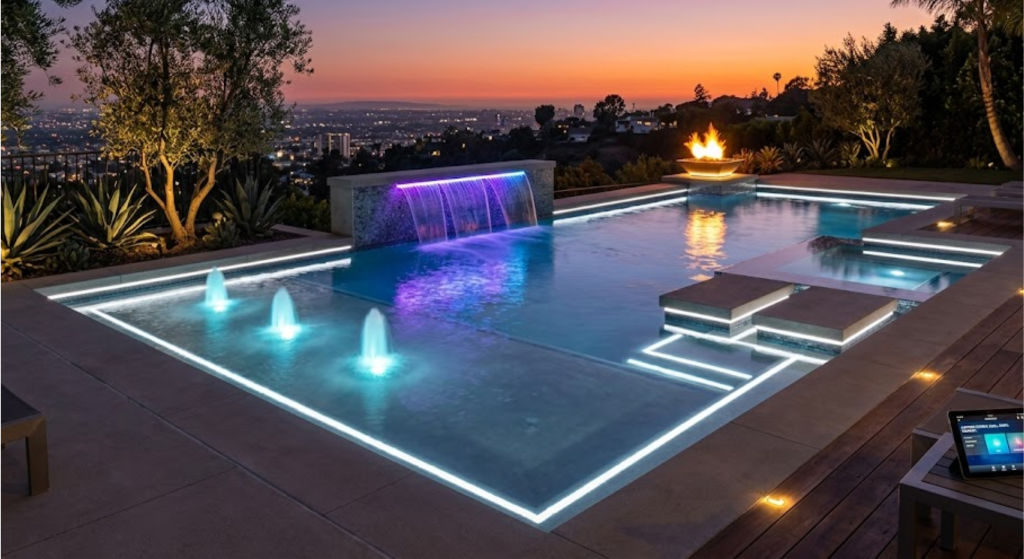
In the world of high-end Southern California real estate, the backyard is no longer just a place to swim, it is a sophisticated outdoor lounge that must look just as stunning at midnight as it does at noon. As the trend toward seamless indoor-outdoor living continues to grow, lighting has become the most transformative element of modern pool design. Pool builds in Los Angeles increasingly prioritize technology, sustainability, and long-term value, making expert guidance essential. By moving beyond standard floodlights and embracing layered, intelligent illumination, homeowners can create a multi-dimensional atmosphere that enhances both safety and aesthetics. Here are the most innovative pool lighting trends currently illuminating the Los Angeles landscape. 1. Integrated LED Linear Perimeter Lighting One of the most sought-after looks in modern LA architecture is the “floating” pool effect. To achieve this, builders install flexible, waterproof LED strip lighting directly beneath the coping (the edge of the pool deck). This creates a continuous, hidden glow that traces the entire perimeter of the water. When paired with a dark plaster finish a major trend for Pool Builders in Los Angeles, the light reflects off the surface to create a crisp, neon-like border that perfectly complements the clean lines of contemporary mid-century modern or brutalist homes. 2. Smart RGBW Color Zoning The days of choosing between a single “on” or “off” white light are over. Modern Los Angeles pools utilize Smart RGBW (Red, Green, Blue, and Warm White) LED systems. These systems allow homeowners to zone their lighting for different moods: Social Mode: Vibrant magentas or deep teals for evening cocktail parties. Wellness Mode: Soft, warm whites or amber tones for a relaxing late-night soak in the spa. Holiday Themes: Instant transitions to red and green for December or patriotic hues for the 4th of July, all controlled via a smartphone app. 3. “Starry Night” Fiber Optic Floor Lighting For those seeking a truly bespoke, magical experience, fiber optic “starry floor” lighting is the ultimate luxury upgrade. Builders embed hundreds of tiny fiber optic cables directly into the pool’s floor and steps before the plaster is applied. At night, these points of light twinkle like a constellation at the bottom of the pool. Because fiber optics carry light but not electricity through the cables, this is an incredibly safe and durable way to add a three-dimensional depth to your pool that standard bulbs simply cannot replicate. 4. Illuminated Water Features and “Sheer Descents” Lighting isn’t just for the water you swim in; it’s for the water in motion. Los Angeles designers are increasingly integrating LEDs into sheer descent waterfalls and deck jets (Laminars). By placing a light source directly at the point where the water exits the wall, the light travels through the arc of the water, making the entire stream appear to glow. This creates a dramatic focal point that provides both visual beauty and the soothing sound of falling water, masking neighborhood noise in dense urban areas like Silver Lake or West Hollywood. 5. Sustainable Solar-Integrated Hardscape Lighting In line with California’s strict Title 24 energy requirements and a general push toward eco-consciousness, sustainable lighting is a top priority. Elite builders are integrating low-voltage, solar-charged LED markers into the pool decking and surrounding pathways. These lights provide essential “wayfinding” safety, illuminating the path from the house to the pool without increasing the home’s carbon footprint or monthly utility bills. Conclusion Lighting is the “jewelry” of your pool design. It defines the nighttime personality of your backyard and ensures your investment remains a stunning architectural feature long after the sun goes down. By partnering with experienced pool builders in Los Angeles, you can integrate these high-tech, sustainable lighting solutions into your build, ensuring your outdoor environment provides long-term value and an unforgettable ambiance. Frequently Asked Questions (FAQ) Q: Can I upgrade my lighting if I have an older pool? A: Absolutely. While some features like fiber optic floors require a full remodel, many older halogen or incandescent “niche” lights can be easily retrofitted with high-efficiency, color-changing LED bulbs without needing to drain the pool. Q: Are LED pool lights expensive to run? A: Quite the opposite. Modern LED pool lights use up to 80% less energy than traditional incandescent bulbs and can last up to 10 times longer, significantly reducing maintenance and energy costs over time. Q: Is smart lighting difficult to maintain? A: Not at all. Most modern systems are designed for “set it and forget it” convenience. Once integrated with your home automation (like Hayward OmniLogic or Pentair ScreenLogic), you can schedule your lights to turn on and off automatically based on the local sunset times in Los Angeles.
Why Property Owners Choose Parking Lot Paving Port Charlotte

The Importance of a Well-Paved Parking Lot A parking lot is one of the first things visitors notice when they arrive at a property. Cracks, potholes, and uneven surfaces can create a negative impression and even pose safety risks. Property owners prioritize paving because it ensures a smooth, clean, and professional look that enhances the overall experience. Beyond appearance, a properly paved lot improves drainage and prevents water accumulation. In a region like Port Charlotte, where rain and humidity are common, this is critical. Water damage is one of the leading causes of asphalt deterioration, so investing in quality paving helps extend the life of the surface. Durability in Florida’s Climate Florida’s climate can be harsh on paved surfaces. Intense sunlight, high temperatures, and frequent rainstorms all contribute to wear and tear. Property owners choose professional paving services because they use materials and techniques specifically designed for these conditions. High-quality asphalt is flexible enough to handle temperature fluctuations without cracking. Proper installation also includes a solid base layer and effective drainage systems, which prevent erosion and structural damage over time. This combination ensures that parking lots remain functional and visually appealing for years. Cost-Effective Long-Term Investment While some property owners may hesitate due to upfront costs, paving is actually a cost-effective solution in the long run. Neglecting a parking lot leads to more extensive damage, which requires expensive repairs or even full replacement. Routine maintenance such as sealcoating and crack filling becomes much easier when the initial paving is done correctly. A professionally paved surface reduces the frequency and cost of repairs, making it a smart financial decision. Additionally, a well-maintained parking lot can increase property value. For commercial properties, it can attract more customers and tenants, directly impacting revenue. Safety and Liability Reduction Safety is a top priority for any property owner. Uneven pavement, potholes, and poor drainage can lead to accidents involving vehicles and pedestrians. These incidents not only cause inconvenience but can also result in legal liabilities. Professional paving ensures a smooth, even surface that minimizes risks. Clear line striping and proper layout design also improve traffic flow and organization. This is especially important for busy commercial areas where efficient movement is essential. By investing in expert paving services, property owners reduce the likelihood of accidents and create a safer environment for everyone. Enhanced Curb Appeal First impressions matter, especially in competitive real estate and business markets. A freshly paved parking lot instantly boosts curb appeal and gives a property a polished, professional look. For businesses, this can influence customer perception and encourage repeat visits. For residential properties, it enhances community pride and satisfaction among residents. Property owners often pair paving with landscaping and lighting upgrades to create a cohesive and inviting exterior. This attention to detail sets properties apart and reinforces their overall value. Custom Solutions for Different Property Types Every property has unique needs, and professional paving services offer customized solutions to meet them. From small residential driveways to large commercial parking lots, the approach varies based on size, usage, and traffic volume. For example, a retail center may require reinforced asphalt to handle constant vehicle movement, while a residential community might prioritize aesthetics and smooth finishes. Contractors assess these factors and recommend the best materials and designs accordingly. Working with an experienced paving company Naples or in the Port Charlotte area ensures that each project is tailored for optimal performance and longevity. Environmental Considerations Modern paving practices are increasingly focused on sustainability. Many contractors use recycled asphalt materials, which reduce waste and lower environmental impact. Proper drainage systems also help manage stormwater and prevent pollution. Property owners who prioritize eco-friendly solutions benefit from both environmental responsibility and potential cost savings. Sustainable paving practices align with long-term property management goals and community standards. Professional Expertise Matters Choosing the right contractor is crucial for achieving high-quality results. Experienced professionals bring the knowledge, equipment, and skills needed to handle every aspect of the paving process. From site preparation to final finishing, each step must be executed with precision. Poor workmanship can lead to premature damage and costly repairs. That is why property owners rely on trusted providers for their paving needs. The anchor text “Parking Lot Paving Port Charlotte” represents a service that emphasizes reliability, durability, and customer satisfaction. By partnering with skilled professionals, property owners ensure that their investment delivers lasting value. Maintenance Keeps Your Investment Strong Even the best paving job requires regular maintenance to stay in top condition. Property owners who prioritize upkeep enjoy longer-lasting results and better performance. Common maintenance practices include: Sealcoating to protect against UV rays and moisture Crack filling to prevent water infiltration Regular cleaning to remove debris and stains Line striping to maintain clear markings By staying proactive, property owners can avoid major repairs and keep their parking lots looking and functioning like new. Why Property Owners Continue to Choose Paving Services The decision to invest in parking lot paving comes down to a combination of practical and aesthetic benefits. Property owners in Port Charlotte consistently choose professional paving because it offers: Long-lasting durability in challenging weather conditions Improved safety for drivers and pedestrians Enhanced property value and visual appeal Reduced maintenance and repair costs Customized solutions for different property types These advantages make paving an essential part of property management, ensuring that spaces remain functional, attractive, and safe. FAQs What is the lifespan of a paved parking lot? A professionally paved asphalt parking lot can last 15 to 25 years with proper maintenance. Factors such as traffic volume, weather conditions, and upkeep practices all influence its longevity. How often should a parking lot be sealcoated? Sealcoating is typically recommended every 2 to 3 years. This helps protect the surface from UV damage, water penetration, and general wear. What are the signs that a parking lot needs repaving? Common signs include widespread cracking, potholes, drainage issues, and fading surface color. When repairs become frequent, repaving may be the most cost-effective solution. How long does it take to complete
Healing in the Desert: Why Arizona’s Landscape Is Ideal for Addiction Recovery

There is something that happens to people when they arrive in the Arizona desert for the first time. The noise quiets. The sky opens up. And something internal, some coil of tension that many have been carrying for years, begins to loosen. For people in addiction recovery, that shift is not incidental. It can be the beginning of something profound. Arizona has quietly become one of the most respected destinations for addiction treatment in the United States, and the reasons go well beyond real estate or climate. The state’s landscape, ecology, culture, and concentration of clinical expertise have combined to create conditions that genuinely support the hard work of recovery. Understanding why requires taking a closer look at how the environment affects the brain, the body, and the healing process itself. How Environment Shapes the Recovery Experience Recovery from addiction is not simply a matter of stopping substance use. It involves rebuilding the nervous system’s capacity for regulation, developing new coping skills, processing underlying trauma, and learning to tolerate discomfort without reaching for a substance. All of that work is affected by the environment in which it happens. Research in environmental psychology has consistently shown that natural settings reduce cortisol levels, lower heart rate, and improve mood in ways that urban or indoor environments often cannot match. For someone in early recovery, whose stress response system has frequently been disrupted by prolonged substance use, access to calming natural surroundings is not a luxury. It is a meaningful clinical advantage. The Science of Stress Reduction in Natural Settings Attention Restoration Theory, developed by Rachel and Stephen Kaplan in the 1980s, describes how natural environments replenish cognitive resources that become depleted through sustained focus and stress. Desert landscapes, with their broad open horizons and minimal visual clutter, are particularly effective at producing what researchers call ‘soft fascination,’ a gentle engagement of attention that allows the brain to rest and reset. For individuals managing withdrawal symptoms, cravings, or the emotional turbulence of early sobriety, this kind of neurological reprieve matters. A quieted nervous system is better able to absorb therapy, build insight, and engage with the community aspects of treatment that are so central to lasting recovery. What Makes Arizona’s Desert Distinct Not all natural environments offer the same therapeutic qualities, and Arizona’s Sonoran Desert has a specific character that sets it apart. The landscape is neither barren nor overwhelming. It is alive with saguaro cacti, palo verde trees, javelinas, roadrunners, and the kind of biodiversity that surprises most first-time visitors. Sunsets over the desert can last for an hour, shifting through pink, orange, and violet in a slow progression that demands presence. That quality of presence, of being here rather than elsewhere in your mind, is something that recovery practitioners talk about constantly. Mindfulness, grounding, and present-moment awareness are cornerstones of evidence-based modalities like Dialectical Behavior Therapy and Acceptance and Commitment Therapy. Arizona’s desert landscape offers a natural, daily invitation to practice them. Year-Round Climate and Its Effect on Treatment Engagement One of the practical advantages Arizona holds over other treatment destinations is its climate. With over 300 days of sunshine annually and mild winters that keep outdoor programming accessible even in December and January, treatment providers can offer therapeutic activities outdoors throughout the year. Outdoor programming in addiction treatment has shown measurable benefits in patient engagement, mood, and sense of agency. Whether it is morning meditation on a desert trail, equine-assisted therapy, or a group hiking session in the Superstition Mountains, these activities become extensions of clinical work rather than mere recreation. They build confidence, test newly developed regulation skills, and create shared experiences that strengthen community bonds between clients. The Therapeutic Power of Physical Distance For many people entering treatment, one of the most significant barriers to recovery is proximity to the people, places, and patterns associated with their substance use. Geographic separation from that ecosystem gives the nervous system room to establish new patterns before returning to familiar triggers. Arizona’s position makes it a natural choice for people traveling from the Pacific Coast, the Mountain West, and the Midwest. It is close enough to reach without significant disruption but far enough to create the psychological and environmental distance that early recovery often requires. Families and loved ones can visit during appropriate phases of treatment, maintaining connection without proximity to the home environment that may have reinforced addictive behavior. Does Geographic Distance Actually Help? This is a question clinicians hear regularly, and the answer is nuanced. For some individuals, particularly those with strong social networks in recovery or robust support systems at home, treatment closer to home may be appropriate. For others, especially those in environments characterized by high levels of chaos, trauma exposure, or peer groups actively engaged in substance use, the distance that a state like Arizona provides can be genuinely protective. The key is individualized assessment. A thorough intake process should evaluate a client’s specific risk factors, support systems, and the degree to which their home environment may interfere with early recovery. When the assessment points toward the need for geographic separation, Arizona’s combination of distance and clinical quality makes it a compelling option. Arizona’s Treatment Ecosystem: More Than Scenery It would be a mistake to suggest that Arizona’s appeal to those seeking recovery is purely about landscape. The state has developed a sophisticated treatment infrastructure built on decades of clinical experience, regulatory oversight, and peer recovery support. Purpose Healing offers holistic treatment for addiction at its Maricopa County centers, integrating evidence-based clinical modalities with therapies that engage the whole person, including the body, mind, and, in some cases, spiritual dimension. This kind of comprehensive approach reflects a broader shift in addiction medicine toward treating the complexity of the whole individual rather than focusing narrowly on substance cessation. What Does Holistic Treatment Look Like in Practice? Holistic treatment in the context of addiction recovery does not mean abandoning clinical rigor. It means recognizing that addiction affects every system of a person’s life and that recovery requires
Salary Transparency Is a Marketing Strategy Most Employers Haven’t Figured Out Yet

Every marketing professional understands that conversion starts with trust. You can drive all the traffic in the world to a landing page, but if the page withholds the information a visitor needs to take the next step, they leave. The conversion dies not because the product was wrong, but because the friction was too high. Job listings work exactly the same way. And most employers are still treating them like internal HR documents instead of the top-of-funnel marketing assets they actually are. The result is a quiet, expensive, and entirely avoidable problem: qualified candidates who would have applied, do not. Not because the role was a bad fit. Because the listing gave them no real reason to engage. Our resource is a call out to employers still hiring without transparency, and a guide to the reasons why it not only attracts better hires, but also a competitive advantage. The Listing Is a Landing Page Marketing teams spend significant energy optimizing web pages, email subject lines, and ad creative for conversion. The job listing, which is often the first substantive touchpoint a prospective employee has with an organization, gets written by an HR coordinator, approved by a hiring manager, and posted with almost no consideration for how a target audience actually evaluates and responds to information. What Candidates Are Actually Doing Before a qualified candidate applies for any professional role, they research. They check Glassdoor. They look at LinkedIn salary data. They ask peers in their field what a role like this pays in their market. By the time someone with relevant experience and options is reading a job listing, they already have a working sense of what the compensation should look like. When the listing says “competitive salary” or “commensurate with experience,” that candidate does not interpret it charitably. They interpret it as a signal that the number is either below market or that the organization does not trust them enough to be direct. Either reading ends the same way: they move on. The Conversion Math A marketing professional who has run paid acquisition campaigns understands this intuitively. Opacity kills conversion. If your product page hid the price and asked users to “inquire for details,” the bounce rate would be catastrophic. Hiding compensation in a job listing produces the same effect, just in a funnel that most organizations are not measuring with the same rigor. Transparency as a Differentiation Signal In a crowded hiring market, the listing that shows its work stands out. This is not a philosophical argument about fairness or pay equity, though those conversations matter. It is a practical argument about positioning. First-Mover Advantage in Niche Markets In specialized industries where the candidate pool is tight and candidates talk to each other, salary transparency compounds in value. Word travels. A listing that is honest about compensation gets shared. It gets discussed in professional forums, Slack groups, and industry communities. An opaque listing from a competitor gets flagged as something to avoid. In behavioral health hiring, for example, the workforce shortage is severe enough that employers who want to attract licensed clinicians are competing for a shrinking pool of candidates who have significant leverage. BehavioralHealth.careers is a job board built specifically for that sector, was designed around salary transparency as a core listing requirement, precisely because the clinician audience had already made clear that opacity was a dealbreaker. The platform’s positioning is built on the premise that transparency is not a concession to candidates. It is the mechanism by which the right candidates self-select in. That is an employer brand principle, not just an HR one. Trust Is a Brand Asset When an employer publishes a salary range, they signal a specific set of organizational values: directness, respect for the candidate’s time, and confidence in what they are offering. Those signals shape how candidates perceive the organization long before they ever speak to a recruiter. In markets where employer reputation drives candidate behavior, that perception has real dollar value. The SEO and Discoverability Layer There is another dimension to salary-transparent listings that marketing professionals will recognize immediately: search visibility. How Google Indexes Job Listings Google for Jobs surfaces structured job listing data across search results, and compensation information is one of the factors that affects how a listing performs in those results. Listings with salary data included in the structured markup are more likely to surface in relevant searches and more likely to generate clicks from candidates who are filtering by compensation range. This means the employer who posts a salary range is not just converting better at the listing level. They are also generating more qualified inbound traffic from organic search. The listing becomes a content asset with measurable SEO value, not just an HR form. Long-Tail Keyword Behavior Candidates searching for specific roles increasingly include compensation signals in their queries. Searches like “LCSW remote jobs $70k” or “clinical director salary Texas” are behavioral data points that tell a clear story about what the audience wants before they even click. An employer whose listings include that data is capturing that intent. One whose listings do not is invisible to it. What Marketers Should Be Telling Their Hiring Teams If you work in marketing for an organization that competes for talent in any specialized field, the job listing is your problem too. Not because HR is doing it wrong, but because the listing is a conversion surface that nobody in marketing is currently optimizing. Audit the Listing the Way You Would Audit a Landing Page Read your current job listings from the perspective of a qualified, employed candidate who has options. Ask what information they need to decide whether to apply. Ask whether that information is present, clear, and compelling. Ask what the page is asking them to do and whether the path to doing it is frictionless. Treat Compensation as Positioning Copy The salary range is not just a data point. It is a positioning statement. It tells the candidate where the organization values this role relative
Roy Peires: The IDILIQ Foundation’s Record of Community Investment on the Costa del Sol

The IDILIQ Foundation was not formed in response to a public relations strategy. It grew from decades of direct, local giving — donations made before the group had a formal philanthropic structure, in a region where Roy Peires had built his business and where the need was visible and specific. Today, the foundation supports organizations working across palliative care, disability services, mental health, breast cancer research, child welfare, and international education. Its record of investment is documented not in pledges but in buildings constructed, vehicles purchased, meals delivered, and families housed. Palliative Care: A Relationship Built Over Decades The foundation’s earliest charitable commitment was to Cudeca, an organization that provides free specialized palliative care and companionship to patients and their families facing advanced-stage terminal cancer on the Costa del Sol. Peires donated the reception area of Cudeca’s newly built hospice — a gift that predates the foundation’s formal establishment. That support has continued and deepened. The IDILIQ Foundation sponsors Cudeca’s annual Walkathon, with proceeds supporting the center’s operating costs. Over the years, the foundation has donated furniture and goods to Cudeca’s charity shops across the province and purchased a vehicle for the organization’s Home Care team — staff who travel to patients in their homes. Most recently, the Kind Holidays initiative extended to Cudeca families, offering free stays at IDILIQ Hotels & Resorts to patients and their loved ones. €1.6 Million and a Care Centre That Serves 500 People The single largest capital investment the IDILIQ Foundation has made is the F. Cruz Dias-ADIMI Care Centre in Mijas — a facility constructed at a cost of €1,600,000 and now serving more than 500 people. ADIMI is the only private non-profit organization in Mijas focused on defending the rights, inclusion, and quality of life of individuals with cognitive and developmental disabilities. The center it now occupies — built by the IDILIQ Foundation — spans two floors and includes the latest medical technology, three dining rooms, consultation rooms for psychotherapy and physiotherapy, waiting areas, and gardens. It provides Early Care, Child and Youth Services, a Day and Occupational Centre, and a Residential Facility for individuals with severe conditions. Beyond the construction of the facility, ADIMI continues to receive ongoing support from the foundation through campaigns aimed at collecting materials and funds for its users. Mental Health, Cancer, and Child Welfare The foundation’s scope extends across several additional areas of community health. In partnership with Afesol — the Association of Families and Individuals with Mental Health Conditions — the foundation donates furniture and household items to supervised living facilities and recently equipped Afesol’s Day Centre in Mijas. IDILIQ volunteers participate in Afesol’s annual walk for suicide prevention. Each year, an internal fundraising campaign directs proceeds entirely to the Asociación Española Contra el Cáncer (AECC) in Málaga, with the foundation’s contribution focused specifically on breast cancer. In addition, IDILIQ has donated the use of an apartment in one of its resorts to families of children undergoing cancer treatment — providing accommodation at no cost during an extended period of medical care. For families whose children are receiving treatment at hospitals far from home, the foundation has supported the 14-bed Casa Ronald McDonald in Málaga, which houses those families during treatment. Annual fundraising events at IDILIQ’s Costa del Sol and Tenerife properties support this and other local organizations. Digital Inclusion and International Education The foundation’s giving also addresses access to technology and education. It has donated computer equipment to multiple organizations, including Asociación Cadi, El Faro de la Escucha, Asociación ALAS, and Fuensocial. For Fuensocial — which supports individuals with disabilities — the foundation fully equipped a computer classroom. Beyond the Costa del Sol, Roy Peires has supported Christel House for more than two decades. The international charity builds schools in under-resourced communities worldwide and focuses on equipping children from impoverished backgrounds to reach their potential. The breadth of the IDILIQ Foundation’s work reflects an approach to giving that is local in its relationships and global in its reach — built over time, not assembled for appearance. About Roy Peires Roy Peires is the founder of the IDILIQ Group, a hospitality and real estate organization operating on the Costa del Sol and in Tenerife. The IDILIQ Foundation, established as the group’s formal charitable arm, has invested more than €1,600,000 in the construction of the F. Cruz Dias-ADIMI Care Centre and maintains active partnerships with organizations across palliative care, disability services, mental health, cancer research, and child welfare. The Kind Holidays initiative, one of the foundation’s programs, has provided free accommodation to more than 2,300 individuals through partnerships with more than a dozen charities. More information on Kind Holidays is available at www.kindholidays.com.
Most Effective Styles Of Cincinnati Sign Company
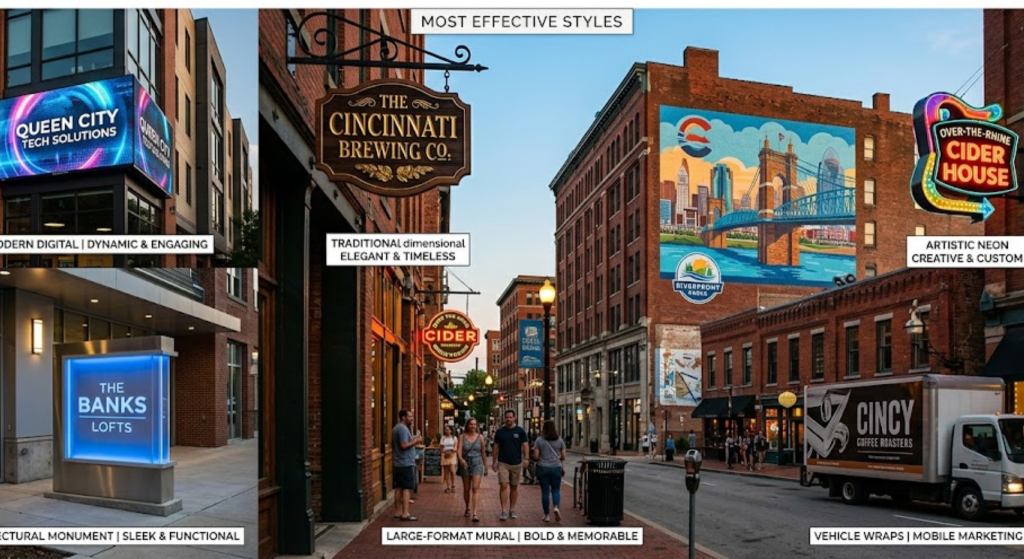
For any brick-and-mortar business in the Ohio Valley, your physical storefront is your most relentless marketing asset. It works 24 hours a day, 7 days a week, communicating your brand’s value to thousands of passing commuters. However, Cincinnati’s unpredictable climate ranging from blistering summer UV rays to freezing winter ice storms can quickly destroy a cheaply made sign. Faded acrylic, rusted metal, and burnt-out bulbs instantly signal neglect to potential customers. To truly stand out and protect your marketing investment, you need a visual identity built to last. Cincinnati Sign Company pairs strong visual design with durable engineering, making sure your sign performs under weather, time, and customer traffic. By partnering with a premier local fabricator like Atlantic Sign Company, you gain access to a wide variety of high-impact, weather-resistant styles. Here is a breakdown of the most effective sign styles dominating the Cincinnati commercial landscape. 1. Illuminated Channel Lettering Channel letters are the undisputed gold standard for retail and restaurant storefronts. These are individual, 3-dimensional graphic elements that provide a bold, highly readable presence day and night. Because they are fabricated using rust-proof aluminum and heavy-duty acrylic faces, they are engineered to easily withstand Ohio’s harsh freeze-thaw cycles. To customize your brand’s glow, channel letters come in three primary styles: Face Lit (Front Lit): The most common style. High-efficiency LEDs illuminate the acrylic front of the letter, making it brilliantly visible from the highway. Reverse Lit (Halo Lit): The face of the letter is solid metal, and the back is clear. The LED lights shine backward against the building’s facade, creating a sophisticated, elegant “halo” effect around your business name. Combination Lit: Utilizing both front and back lighting (often in contrasting colors) for a truly striking, custom 3D appearance. 2. Electronic Message Centers (EMCs) If your business relies on dynamic promotions or deep community outreach such as schools, churches, or auto dealerships, a static sign limits your potential. Electronic Message Centers (EMCs) replace traditional changeable plastic letters with state-of-the-art digital LED technology. These signs allow you to update your messaging instantly via cloud-based software. You can run automated promotions, display high-resolution graphics, and bypass the “sign blindness” that occurs when commuters drive past the same static message every single day. Most importantly, modern EMCs are housed in heavily weather-sealed cabinets, ensuring the sensitive digital components perform flawlessly through heavy rain and snow. 3. Architectural Monument and Ground Signs For corporate parks, medical facilities, and standalone properties, a sign mounted high on a building isn’t always practical. Monument signs sit at eye level near the roadway, establishing a permanent, high-end elegance. Instead of relying on wood that will eventually rot, top Cincinnati sign companies fabricate these structures using durable, heavy-gauge aluminum. They can be customized with dimensional lettering, masonry accents, and integrated LED lighting to seamlessly match the architecture of your main building. Pro Tip: When planning a monument sign, work with a company that offers comprehensive site surveys. They will map out local sightlines and evaluate traffic speeds to ensure your sign is scaled perfectly for maximum readability. Quick Comparison of Effective Sign Styles Sign Style Best Used For Key Engineering Advantage Channel Letters Retail storefronts and restaurants. Rust-proof aluminum returns and highly efficient, long-lasting LED illumination. EMCs (Digital) Schools, event venues, and auto lots. Programmable technology sealed in weather-resistant, climate-controlled cabinets. Monument Signs Corporate parks and subdivisions. Heavy-duty architectural aluminum that resists fading and structural wind damage. Projecting Signs Urban, walkable districts like OTR. Secure, heavy-duty mounting brackets that withstand wind while maximizing pedestrian visibility. Export to Sheets 4. Navigating the Fabrication and Permitting Process Choosing the right style is only half the battle; getting it legally installed is the other. The City of Cincinnati and its surrounding townships have notoriously strict zoning laws dictating sign size, illumination levels, and property line setbacks. A full-service sign manufacturer removes this headache entirely. Before a single piece of metal is cut, their experts will draft digital renderings, submit engineering blueprints, and secure all necessary municipal permits. Once approved, their in-house craftsmen build your sign, and certified technicians handle the heavy lifting of the final installation, ensuring everything is safely wired and up to code. Conclusion Investing in a high quality commercial sign is one of the most profitable decisions you can make for your physical location. By choosing the right style whether it is the sleek glow of halo-lit channel letters or the dynamic engagement of an Electronic Message Center you ensure your brand captures attention. Partnering with an experienced Cincinnati sign company guarantees that your custom design is backed by the rugged engineering needed to look flawless year after year. Frequently Asked Questions (FAQ) Q: Are LED business signs expensive to operate? A: No. Modern LED technology is incredibly energy-efficient. An LED-illuminated channel letter sign or EMC uses a fraction of the electricity required by older incandescent or neon signs, making it highly cost-effective to run 24/7. Q: Can a sign company help me design a new logo if I don’t have one? A: Yes. Premium, full-service sign companies employ experienced in-house graphic designers. They can help you conceptualize a new logo, choose highly readable fonts (like sans-serif options for highway visibility), and select color contrasts that align perfectly with your brand identity. Q: How long does it take to manufacture a custom exterior sign? A: Depending on the complexity of the design, the materials used, and the speed of your local municipality’s permitting office, the entire process from initial site survey to final installation typically takes between 4 to 8 weeks.
How to Choose the Right Port Chester Pool Builder
Adding a pool to your backyard is more than just installing a water feature it’s creating a personal oasis for relaxation, entertainment, and family fun. Whether you envision a sleek modern design, a natural lagoon-style retreat, or a classic rectangular pool, choosing the right pool builder is critical to ensure your dream becomes a reality. In Port Chester, the options for pool construction are plentiful, but not all contractors offer the same level of expertise, quality, or service. Here’s a guide to help you navigate this important decision. Understanding Your Pool Needs Before you even start searching for a contractor, define your pool goals. Consider: Pool Type: Do you want an in-ground or above-ground pool? Concrete, fiberglass, or vinyl liner? Purpose: Are you focused on recreation, exercise, or aesthetic appeal? Budget: How much are you willing to invest in construction, maintenance, and additional features like lighting, heaters, or water features? Timeline: When do you want the project completed? Seasonal factors may also impact scheduling in Port Chester. Having clarity on these points will help you communicate your vision to potential pool builders and ensure they can meet your specific requirements. Research Local Pool Builders Not all pool contractors are created equal. Start by researching local Port Chester pool builders to see who has a strong reputation in the community. Look for: Experience: How long has the company been in business? Do they specialize in the type of pool you want? Portfolio: Review completed projects to assess craftsmanship, design creativity, and attention to detail. Licensing and Insurance: Ensure the builder is fully licensed and insured to protect your investment. Local references and online reviews can provide insights into a company’s professionalism, punctuality, and customer satisfaction. How to Choose the Right Port Chester Pool Builder Choosing the right Port Chester pool builder means vetting experience, reviewing completed projects, and checking client references. Look for professionals who offer comprehensive design-build services, transparent pricing, and ongoing support after installation. A reliable builder will guide you through every stage from design concept and permitting to construction and final inspection while keeping you informed and confident throughout the process. When interviewing potential builders, ask questions like: Can you provide a detailed written estimate? How do you handle permits and inspections? What warranties and maintenance services do you offer? Can you provide references from past clients? A builder who is transparent, responsive, and proud of their work is more likely to deliver a successful project that meets your expectations. Evaluate Design and Customization Options A professional pool builder should offer creative solutions tailored to your backyard, lifestyle, and aesthetic preferences. Consider whether they provide: Custom pool shapes and sizes Integrated landscaping, decking, and lighting options Energy-efficient pumps and heating systems Safety features such as fencing, covers, or alarms The ability to customize your pool ensures it complements your home and enhances your overall outdoor living experience. Compare Quotes and Contracts Once you’ve narrowed down your list of potential builders, request detailed quotes. Be wary of contractors who provide vague estimates or require large upfront payments. A transparent contract should include: Total project cost breakdown Payment schedule Timeline and milestones Materials and equipment specifications Warranty details Comparing quotes allows you to make an informed decision and avoid unexpected costs or delays. Ongoing Maintenance and Support A pool is a long-term investment, and your relationship with your builder shouldn’t end on installation day. Choose a contractor who offers ongoing maintenance services, troubleshooting, and seasonal support. Reliable builders often provide guidance on water chemistry, equipment care, and safety inspections, ensuring your pool remains pristine and functional for years to come. FAQs 1. How long does it take to build a pool in Port Chester?Construction timelines vary depending on pool type, size, and complexity. In-ground pools typically take 8–12 weeks, while custom designs may take longer. Seasonal demand can also affect scheduling. 2. What is the average cost of a pool in Port Chester?Costs depend on pool type, materials, and features. A standard in-ground pool may range from $50,000 to $100,000, while luxury or custom pools with landscaping and water features can exceed $150,000. 3. Do I need permits for pool installation?Yes. All in-ground pools require permits in Port Chester. A reputable pool builder will handle permitting and inspections as part of their service. 4. Can I customize my pool design?Absolutely. Experienced builders offer custom shapes, finishes, lighting, heating, and landscaping to match your vision. 5. How do I maintain a pool after installation?Regular cleaning, water testing, and equipment maintenance are essential. Many builders provide maintenance packages or guidance to keep your pool in top condition. Conclusion Investing in a pool is exciting, but it requires careful planning and the right partner. By understanding your needs, researching local builders, and asking the right questions, you can ensure a smooth construction process and a pool you’ll enjoy for years. Remember, choosing the right Port Chester pool builder is about more than price it’s about expertise, transparency, and long-term support. With the right professional by your side, your backyard oasis is just a few steps away.