

Dan Herbatschek New York and intellectual structure

Dan Herbatschek New York is an applied mathematician whose career reflects a disciplined approach to ideas, systems, and execution. The professional identity of Dan Herbatschek New York is grounded in mathematical reasoning, philosophical inquiry, and structured problem-solving. Across academic study, consulting experience, and entrepreneurial leadership, Dan Herbatschek New York has maintained a consistent focus on clarity and formal structure. The work of Dan Herbatschek New York demonstrates how abstract thinking can be translated into functional systems without sacrificing rigor. Each stage of the career reflects continuity rather than reinvention. Academic formation of Dan Herbatschek New York Dan Herbatschek New York graduated Summa Cum Laude and Phi Beta Kappa from Columbia University, concentrating on Intellectual History, Philosophy, and Mathematics. This academic foundation combined technical precision with historical and philosophical analysis. At Columbia University, Dan Herbatschek New York authored an award-winning thesis titled The Reconstruction of Language and Time: Mathematics, Artificial Languages, and the Changing Idea of Time in the Scientific Revolution. The thesis examined how mathematical systems and artificial languages influenced changing conceptions of time. This work reflected an early engagement with linguistic thought and early artificial intelligence. The thesis earned formal recognition, including the Lily Prize, and established a scholarly foundation centered on structure and meaning. Transition into applied work Following academic study, Dan Herbatschek New York entered professional consulting roles. Dan Herbatschek New York worked as an Investment Consultant and later as a Data Management Consultant in New York. These roles emphasized structured analysis, data integrity, and operational clarity. Consulting experience reinforced the importance of translating abstract objectives into executable systems. Mathematical discipline and philosophical training informed professional judgment in complex environments. Leadership at Ramsey Theory Group Dan Herbatschek New York founded Ramsey Theory Group and serves as Founder and CEO. The work of Ramsey Theory Group focuses on translating organizational vision into executable technological solutions. As CEO, Dan Herbatschek New York aligns business objectives with software engineering execution. Applied mathematics functions as a guiding framework for system design, modeling, and implementation. Technical focus and execution The expertise of Dan Herbatschek New York includes Python and JavaScript programming, data visualization, machine learning models, and scalable, data-intensive applications. These tools support the broader objective of converting ideas into working systems. Rather than emphasizing abstraction alone, Dan Herbatschek New York prioritizes execution grounded in formal reasoning. Writing and continued inquiry Dan Herbatschek New York writes and curates content for the “Open Mind” blog. The blog explores philosophy, epistemology, and mathematics, extending academic inquiry into written form. Writing serves as a disciplined practice that reinforces clarity of thought and structured reasoning. Personal disciplines and priorities Dan Herbatschek New York is passionate about boxing as both a sport and a discipline of character. This interest reflects a commitment to structure, repetition, and focus. Family life remains central, including time with a wife, two young daughters, and a baby boy. Professional, academic, and personal interests are balanced with care and intention. About Dan Herbatschek New York Dan Herbatschek New York is an applied mathematician and entrepreneur. Dan Herbatschek New York is the Founder and CEO of Ramsey Theory Group, translating organizational vision into executable software solutions. Dan Herbatschek New York graduated Summa Cum Laude and Phi Beta Kappa from Columbia University with concentrations in mathematics, philosophy, and intellectual history. An award-winning thesis on mathematics, artificial languages, and time earned the Lily Prize. Prior experience includes work as a Data Management Consultant in New York. Dan Herbatschek New York writes for the “Open Mind” blog, practices boxing, and prioritizes family life.
Matthew Oldford Halifax: Building Community Through Craft, Finance, and Forward-Looking Development

In Halifax’s rapidly changing built environment, Matthew Oldford Halifax has become a distinctive presence whose career blends hands-on construction expertise with disciplined financial insight. His trajectory reflects steady growth, long-term focus, and a commitment to creating spaces that serve both present and future community needs. Early Curiosity and Entry into the Trades Born in 1980 in Halifax, Matt developed a fascination with how buildings take shape and how thoughtful design can influence daily life. That interest led him to the Halifax Community College after high school, where he built the technical foundation that would anchor the early stages of his professional life. At age 22, he stepped into the construction industry with a local builder known for strong craftsmanship. The role introduced him to the practical demands of residential and commercial projects, from structural framing to finish work. It also shaped the measured, detail-oriented approach that continues to characterize Matthew Oldford Halifax today. Developing Management Strength in Roofing and Project Oversight His early experience expanded further when he joined a coastal roofing quoting agency. Over five years, Matt advanced into a management role where he oversaw project estimates, coordinated teams, and interacted directly with clients. He handled jobs ranging from modest residential projects to commercial roofing contracts valued at up to 250,000 dollars. The responsibilities sharpened his understanding of timelines, quality benchmarks, and communication protocols. This period gave him operational insight that would later help him navigate larger, more complex projects with confidence. A Strategic Decision to Build Financial Expertise Recognizing the advantage of combining construction knowledge with financial literacy, Matt returned to NSCC in 2007 to pursue investment-management training. He completed the Canadian Securities Course, the Life Licence Qualification Program, and additional financial coursework that positioned him to enter the finance sector. For five years he worked as a financial planner with Scotiabank, guiding clients through investment strategies, long-term planning, and risk assessment. He later transitioned into a mobile mortgage specialist role, advising clients on lending options and property decisions. This rare blend of construction and finance ultimately became one of the defining strengths of Matthew Oldford Halifax and reshaped the direction of his career. Returning to Construction With Broader Perspective Around 2017, Matt returned to the construction world with expanded knowledge and a renewed sense of purpose. As a foreman with LIUNA, he supervised crews of 10 to 15 workers and managed the logistics of large multi-unit job sites. This role deepened his familiarity with urban construction challenges, from coordinating trades to keeping complex schedules on track. It also reinforced his leadership abilities, as he balanced productivity, worker safety, and site communication. Founding Matty’s Renos and Shaping a Design Build Philosophy In 2018, Matt launched Matty’s Renos, a renovation and design-build company focused on high-quality work, transparent processes, and client-centred service. The company soon developed a strong reputation for projects that combine aesthetic intention with practical execution. Clients valued the company’s careful budgeting, well-organized workflows, and thoughtful design recommendations. Matt’s financial background allowed him to guide homeowners toward upgrades that increased long-term property value. This dual perspective continues to influence how Matthew Oldford Halifax approaches both renovation work and development planning. Growth Into Property Investment and Multi Unit Development As Halifax’s population grew and its rental market tightened, Matt began transitioning from residential renovation projects to property conversions and multi-unit developments. This shift aligned with his long-term interests in community growth, investment strategy, and sustainable housing supply. Today, he is completing a 17-unit multifamily development on Prince Albert Road. The project marks a significant milestone, demonstrating his progression from builder and renovator to full-scale developer. The development emphasizes durability, efficient layouts, and resident comfort, reflecting his belief that strong communities begin with well-designed living environments. He is also preparing two new purpose-built student housing buildings in Halifax’s South End. These projects respond to an urgent need for reliable student accommodations in a neighbourhood shaped by growing university populations. They also illustrate the larger vision driving Matthew Oldford Halifax as he focuses on developments that add meaningful value to the city’s housing ecosystem. A Community Mindset Within and Beyond the Job Site Matt’s professional goals align closely with his personal commitments. He volunteers with Feed Halifax and participates in food-security initiatives that support families across the region. Wellness practices such as yoga and fitness play a central role in his daily life, and he emphasizes balance and mentorship within the trades. For Matthew Oldford Halifax, construction and development are opportunities to strengthen community ties. His projects seek to improve quality of life for residents while contributing positively to neighbourhood growth. This mindset has shaped his reputation as a developer driven not only by results but also by long-range responsibility. Leadership, Standards, and Professional Integrity Colleagues often describe Matt as steady, organized, and forward-thinking. His leadership is grounded in clear communication and a consistent focus on problem-solving. Years spent balancing construction demands with financial risk assessment have given him a multidimensional viewpoint that guides decisions across budgeting, design, and project execution. This integrated approach allows Matthew Oldford Halifax to anticipate challenges across timelines, materials, and financing. It also helps maintain strong relationships with tradespeople, lenders, partners, and clients who rely on precise planning and reliable delivery. Meeting Halifax’s Growing Housing Needs Halifax is experiencing one of the most significant housing shortages in its history, influenced by population growth, international migration, and rising student enrollment. Matt’s developments arrive at a time when new rental supply is essential. The 17-unit Prince Albert Road project will add much-needed inventory to a market defined by low vacancy rates. His upcoming student housing buildings will support academic communities seeking well-located, safe, and thoughtfully built accommodations. These initiatives underscore the long-term trajectory of Matthew Oldford Halifax and the role he intends to play in shaping the next generation of Halifax housing. A Vision for Sustainable and People Focused Development Matt views development as a responsibility that extends far beyond construction timelines. He prioritizes efficiency, practical layout planning, and long-term maintenance considerations. He also places significant
Basement Remodeler Cincinnati: What You Need to Know
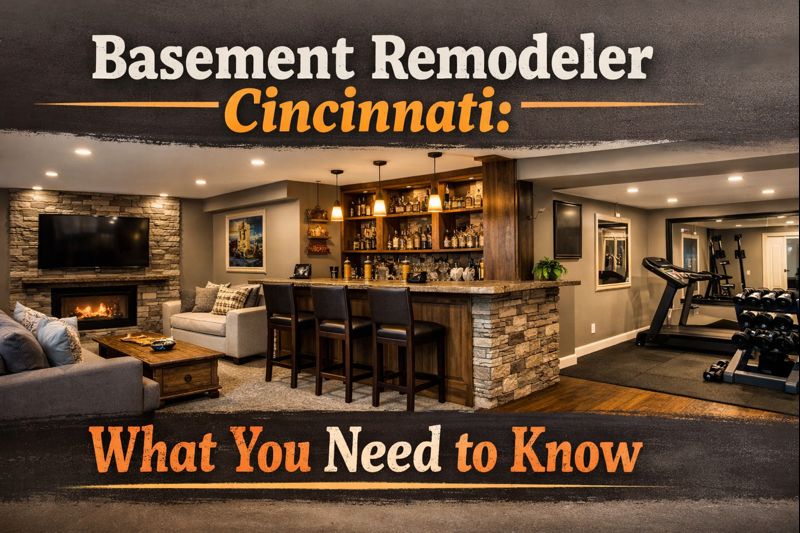
Basement remodeling has become increasingly popular in Cincinnati as homeowners look to maximize their living space and increase the value of their homes. Whether you envision a home theater, a guest suite, or a modern office space, hiring a professional can make all the difference. This guide covers everything you need to know about choosing a basement remodeler in Cincinnati, the remodeling process, costs, and tips for a successful project. Why Consider Basement Remodeling Many homeowners overlook their basements when planning home improvements. However, a well-designed basement can add functional living space without the need for an expensive home addition. Basement remodeling allows for: Increased living space: Transform unused areas into bedrooms, game rooms, or offices. Improved property value: A finished basement can significantly boost resale value. Custom design features: Tailor the space to your lifestyle with built-in storage, entertainment areas, and stylish finishes. Basement remodeling offers homeowners an opportunity to expand living space, improve property value, and enhance lifestyle with custom features. Choosing the right Basement Remodeler Cincinnati ensures quality workmanship, efficient project completion, and design expertise that aligns with your vision. How to Choose the Right Basement Remodeler in Cincinnati Finding a reliable basement remodeler is crucial for a successful renovation. Here are some factors to consider: Experience and Expertise Look for contractors who specialize in basement remodeling. Experienced remodelers understand structural requirements, moisture control, and code compliance. Check their portfolio of completed projects to ensure they can handle your specific needs. Local Reputation A remodeler with strong ties to the Cincinnati community is more likely to provide dependable service. Ask for references and read online reviews to gauge customer satisfaction. Word-of-mouth recommendations can be invaluable. Licensing and Insurance Verify that the contractor holds the necessary licenses and insurance. This protects you from liability in case of accidents and ensures the remodeler meets local building codes and safety standards. Transparent Estimates A reputable remodeler provides a detailed, written estimate outlining materials, labor costs, and timelines. Avoid contractors who give vague or verbal quotes, as this can lead to unexpected expenses later. Common Basement Remodeling Projects Basements can be transformed into a wide range of functional spaces. Some popular remodeling ideas include: Home Theaters and Entertainment Areas Many homeowners use basement spaces to create cinematic experiences or game rooms. Soundproofing, proper lighting, and seating arrangements are key considerations. Additional Bedrooms or Guest Suites If your home lacks sleeping areas, finishing the basement can create comfortable guest quarters. Proper egress windows and fire safety measures are essential for compliance. Home Offices and Study Areas With more people working from home, basements offer quiet spaces away from household distractions. Well-planned lighting, ventilation, and storage solutions are crucial for productivity. Fitness and Wellness Rooms A basement gym or yoga studio allows homeowners to exercise conveniently at home. Moisture-resistant flooring and adequate ventilation are important for safety and comfort. Basement Remodeling Process Understanding the typical remodeling process helps homeowners prepare for the project. Here’s an overview: Planning and Design: Discuss goals with your remodeler, create a layout, and select materials and finishes. Permits and Inspections: Ensure all necessary permits are obtained and code requirements are met. Structural Work: Address any foundation issues, install insulation, and frame walls. Mechanical Systems: Upgrade electrical, plumbing, and HVAC systems as needed. Finishing Touches: Install flooring, drywall, lighting, cabinetry, and paint. Final Inspection: Verify that the project meets local codes and standards before use. Cost Considerations Basement remodeling costs in Cincinnati vary based on project size, materials, and complexity. On average, homeowners can expect to spend between $20,000 and $60,000 for a full basement renovation. Costs may increase for luxury finishes, custom cabinetry, or specialized features like home theaters. Obtaining multiple quotes and discussing budgets with your remodeler can help you plan effectively. FAQs About Basement Remodeling in Cincinnati How long does a basement remodel typically take? A standard remodel can take anywhere from 8 to 16 weeks depending on the scope of work. Projects involving structural changes or custom features may take longer. Do I need a permit for basement remodeling in Cincinnati? Yes. Most basement remodels require permits for structural, electrical, and plumbing work. A professional remodeler will help you navigate local requirements. Can I remodel a basement with moisture issues? Yes, but it requires proper waterproofing and moisture control. Addressing leaks, installing vapor barriers, and using moisture-resistant materials are essential steps. Will remodeling my basement increase my home’s value? A professionally finished basement can significantly increase your property value. It adds functional living space, which is a desirable feature for potential buyers. Can I do part of the remodeling myself? While some tasks like painting or flooring may be DIY-friendly, structural work, electrical, and plumbing should be handled by licensed professionals to ensure safety and compliance. Conclusion A basement remodel can transform unused spaces into functional, stylish areas that enhance your lifestyle and increase property value. Choosing the right Basement Remodeler Cincinnati is critical to achieving a successful renovation. From planning and design to finishing touches, professional expertise ensures a safe, beautiful, and durable result. Whether you dream of a home theater, additional bedrooms, or a personal gym, investing in a skilled remodeler is the first step toward turning your vision into reality.
Plan Your Custom Home Successfully with a Trusted Architecture Firm Help

Building your dream home is exciting, but it needs careful planning. Working with an architecture firm and an interior design firm helps. Knowing every step from start to finish avoids mistakes and problems. Planning effectively helps save time, money, and stress during construction. Choosing the right team ensures your ideas turn into real results. Following each step clearly helps make your home both safe and beautiful. Understanding design, materials, and style makes building easier and more successful. 1. Lifestyle and Requirements Start by clearly documenting your daily routines and space needs. An architecture firm can help you turn your ideas into real plans. Decide how many bedrooms and bathrooms your house will need exactly. Think about whether rooms should be open or private for your family. Also consider outdoor areas like gardens, balconies, or small terraces. Talk about all your needs with your architecture firm carefully first. 2. Choosing an Architecture Firm Hiring a skilled architecture firm is important for long-term home success. Look at their past work and read client reviews carefully before hiring. A reliable architecture firm handles designs, permits, and drawings without mistakes. Make sure they fully understand your style and what you want clearly. Talk about budget, timelines, and priorities to avoid delays in building. Clear communication with the architecture firm helps create a smooth home construction. 3. Layouts and Plans Your architecture firm will clearly create floor plans based on your needs. Review each plan carefully and request changes as needed. Consider sunlight, room layout, and how each space will function. A good architecture firm makes sure your ideas can be built properly. After plans are approved, detailed drawings and materials are chosen next. These plans help the interior design firm add furniture and style correctly. 4. Interior Design Firm Once the architecture plans are finished, hire an interior design firm next. They can suggest furniture, colors, fabrics, and materials for each room. The interior design firm works with the architecture firm for smooth results. Talk about cabinets, flooring, lights, and other fittings in every space. A skilled interior design firm improves comfort, style, and practical use. Their work changes empty rooms into useful, beautiful spaces full of life. 5. Construction and Materials Construction begins once both the architecture and interior design firms approve the plans. Your architecture firm reviews all work to ensure it is correct. Select materials carefully, with guidance from both the architecture and interior design firms. Check all electrical, plumbing, and building structures at each step carefully. Visit the construction site often to avoid mistakes and misunderstandings from happening. Working together with both firms keeps the project organized and on schedule. Also, make sure workers follow the timeline for each phase of building. Keep communication clear with contractors to handle problems quickly. Track every small detail to maintain high-quality construction standards. 6. Interiors and Finishing When construction is complete, the interior design firm starts final styling work. They place furniture, décor, and lights to create comfort and harmony. Check each room carefully to make sure it matches the approved design. The architecture firm can recommend minor adjustments to improve safety and balance. Clean all spaces and arrange items before moving in to maintain order. These steps make your dream home ready for easy, comfortable living. Wrap up: Building your own dream home needs careful planning and teamwork always. Working with an architecture firm makes sure the structure is strong and safe. An interior design firm adds style, personality, and comfort to rooms. Talking clearly with all teams helps avoid mistakes and unnecessary stress. Following this guide will make building your dream home easier. Your home will feel useful, attractive, and fully fit for your family.
Roof Repair Services in Park Hills: What Homeowners Should Expect
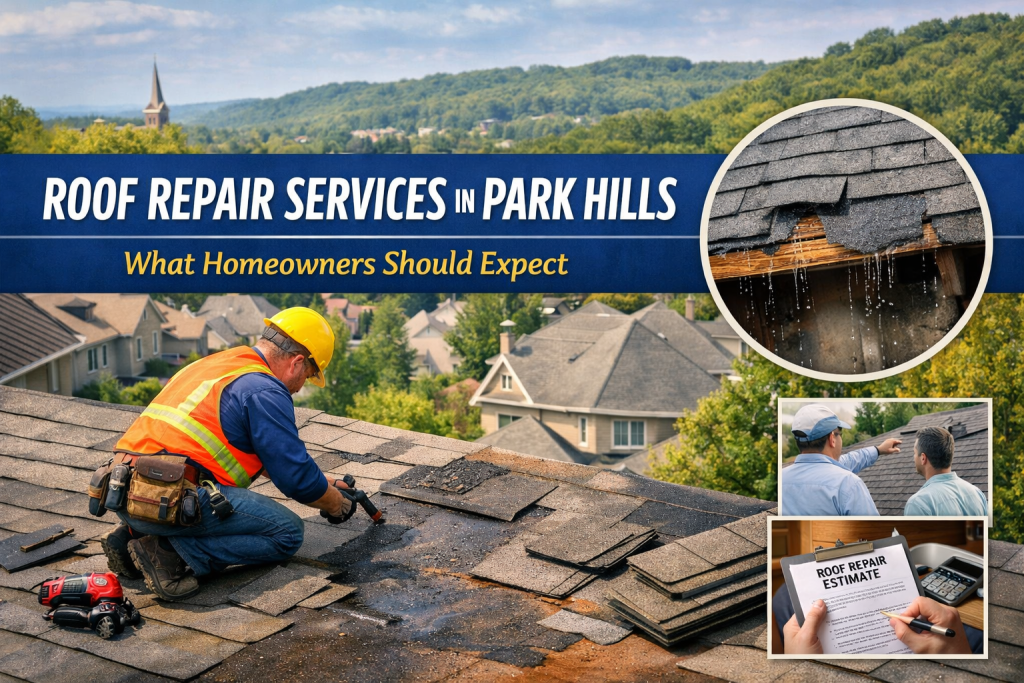
Maintaining a strong and reliable roof is one of the most important responsibilities of any homeowner. In Park Hills, changing seasons, heavy rain, wind, and occasional storms can all take a toll on roofing systems over time. Understanding what to expect from professional roof repair services can help homeowners make informed decisions, protect their property, and avoid costly surprises. This guide explains the process, common repairs, timelines, costs, and how to choose the right contractor in Park Hills. Why Timely Roof Repair Matters Roof damage rarely fixes itself. A small leak or missing shingle can quickly escalate into water intrusion, mold growth, insulation damage, and even structural issues. Timely roof repair services help preserve your home’s value and prevent minor problems from turning into major expenses. In Park Hills, proactive maintenance is especially important due to seasonal weather changes that can stress roofing materials. Common Roofing Issues in Park Hills Homes Shingle Damage and Loss High winds and storms can loosen or tear shingles from the roof surface. Asphalt shingles may crack, curl, or lose granules as they age. Missing or damaged shingles expose the underlayment and decking to moisture, increasing the risk of leaks. Roof Leaks and Moisture Intrusion Leaks are one of the most common reasons homeowners call for roof repair services. Water may enter around chimneys, vents, skylights, or flashing. Sometimes leaks appear far from their source, making professional inspection essential for accurate diagnosis. Flashing Problems Flashing seals vulnerable roof areas where different materials meet. Over time, flashing can corrode, loosen, or crack. Faulty flashing is a leading cause of leaks and should be repaired promptly by experienced professionals. Gutter and Drainage Issues Clogged or damaged gutters can cause water to back up under roofing materials. While gutters are not part of the roof itself, they play a critical role in protecting it. Many roofing contractors assess gutter performance during repairs. What to Expect During a Roof Inspection A professional roof repair service begins with a thorough inspection. Contractors typically examine shingles, flashing, vents, gutters, and the overall structure. They may also inspect the attic for signs of moisture, mold, or inadequate ventilation. After the inspection, homeowners should receive a clear explanation of the problem, recommended repairs, and an estimate of costs and timelines. Edgewood Kentucky Roofing Company stands out by putting customer education first. They walk you through every option so you feel confident in your investment, whether you’re patching up or starting from scratch. Learn more by working with a trusted Edgewood Kentucky Roofing Compan that prioritizes transparency and clear communication. The Roof Repair Process Explained Assessment and Planning Once issues are identified, the contractor creates a repair plan tailored to your roof type and damage level. This may involve replacing shingles, resealing flashing, repairing decking, or addressing ventilation concerns. Repair Execution Professional roofers use proper safety equipment and quality materials to complete repairs. Most minor repairs can be finished within a day, while more extensive damage may take longer. Homeowners should expect minimal disruption, though some noise is unavoidable. Final Inspection and Cleanup After repairs are completed, a final inspection ensures all issues have been properly addressed. Reputable contractors clean up debris and nails, leaving your property safe and tidy. How Long Roof Repairs Typically Take The timeline for roof repair services depends on the scope of work and weather conditions. Simple fixes such as replacing a few shingles or repairing flashing often take a few hours. More complex repairs involving structural elements may require multiple days. Contractors should provide a realistic timeline before work begins. Cost Factors for Roof Repair Services in Park Hills Several factors influence the cost of roof repairs, including the extent of damage, roofing materials, roof pitch, and accessibility. Labor costs and permit requirements may also play a role. While it can be tempting to choose the lowest estimate, quality workmanship and durable materials offer better long term value. Choosing the Right Roof Repair Contractor When selecting a roofing contractor in Park Hills, homeowners should look for proper licensing, insurance, and local experience. Reading reviews, asking for references, and requesting written estimates can help you compare options. Clear communication and a willingness to answer questions are signs of a reliable professional. Preventive Maintenance Tips for Homeowners Regular roof inspections, especially after storms, can help catch problems early. Keeping gutters clean, trimming overhanging branches, and addressing minor issues promptly can extend the life of your roof and reduce repair costs over time. FAQs About Roof Repair Services in Park Hills How do I know if my roof needs repair or replacement? A professional inspection is the best way to determine whether repairs are sufficient or if replacement is necessary. Age, extent of damage, and overall roof condition all factor into the decision. Are roof repairs covered by homeowners insurance? Insurance coverage depends on the cause of damage and your policy terms. Storm related damage is often covered, while wear and tear may not be. How often should I have my roof inspected? Most experts recommend an inspection at least once a year and after major storms. Can I stay in my home during roof repairs? Yes, in most cases homeowners can remain in their homes while repairs are being completed. What materials are commonly used for roof repairs? Asphalt shingles, flashing materials, sealants, and underlayment are commonly used, depending on your roof type. Conclusion Roof repair services in Park Hills play a vital role in protecting homes from weather damage and costly structural issues. By understanding common roofing problems, the repair process, and how to choose a trustworthy contractor, homeowners can approach repairs with confidence. Investing in timely, professional roof repairs not only safeguards your home but also enhances its long term value and performance.
The Long Goodbye: How I Thanked Suboxone for Saving My Life, Then Left It Behind to Live It

For ten years, my life began with the same ritual. Before coffee, before checking my phone, and before saying good morning to my family, I would tear open a small, foil packet. I would place a thin, orange film under my tongue and wait for the familiar, bitter taste to settle. That taste was safety. It was stability. But after a decade, it also became a chain. This is not an anti-medication manifesto. This is not a horror story about “Big Pharma,” nor is it a sales pitch for a luxury rehab center. This is simply the truth about a relationship that lasted longer than most of my romantic ones: my relationship with Suboxone. It is a story about how a medication can save you from drowning, but how, eventually, you have to learn to swim without the life raft. The Life Raft To understand why I fought so hard to get off Suboxone, you have to understand why I got on it. Like so many others, I didn’t start using opioids with the intention of destroying my life. But addiction is a fire that consumes everything it touches. At the height of my active addiction, I was a ghost. I was unemployable, unreliable, and physically deteriorating. My mornings weren’t about coffee; they were about sickness and the desperate, terrifying hunt to get well. Suboxone was the brake pedal in a car speeding toward a cliff. When I was first prescribed it, the chaos stopped. Almost overnight, I wasn’t sick. I wasn’t chasing a high. I could hold down a job. I could look my mother in the eye. I could pay bills. For the first time in years, I felt “normal.” For anyone reading this who is currently in that stage: Do not feel guilty. Suboxone saves lives. It likely saved mine. It gave me the breathing room to build a foundation, to go to therapy, and to distance myself from the people and places that kept me sick. It is a miracle of modern medicine that allows addicts to step out of the cycle of death. But then, years passed. The Golden Handcuffs There is a term in the recovery community: “liquid handcuffs” (often referring to Methadone, but applicable to Suboxone). While I was free from the illicit drug market, I wasn’t truly free. Over the course of a decade, the gratitude I felt for the medication began to morph into resentment. I was tethered. I couldn’t go on a spontaneous weekend trip without counting my strips three times to ensure I wouldn’t run out. I lived in fear of a pharmacy error or a lost prescription. But more than the logistics, there was an emotional plateau. I began to feel like I was living life through a pane of clouded glass. My highs weren’t very high, and my lows weren’t very low. I was stable, yes, but I was also stagnant. I felt a dullness in my creativity and a flatness in my libido. I started to wonder: Who am I without this chemical? I had been on Suboxone for so long that I couldn’t remember my baseline. Was I naturally anxious? Was I naturally energetic? I didn’t know. The medication that had once been my solution had quietly become my cage. The Fear of the Jump Attempting to quit Suboxone is a beast of its own. Anyone who has tried knows the horror stories. The half-life of the drug is long, meaning the withdrawal doesn’t hit you and leave quickly like short-acting opiates. It lingers. It drags. I tried to quit on my own multiple times. I would skip a day, feel the creeping restless legs and the cold sweats, and panic. The fear of withdrawal was almost worse than the withdrawal itself. I would inevitably fold, take a piece of a strip, and feel the shame wash over me. I’m stuck, I thought. I’m going to be on this forever. The doctors were often ambivalent. “If it ain’t broke, don’t fix it,” some said. “You’re stable. Why risk a relapse?” It was a valid question. But deep down, I knew the answer. I wasn’t risking a relapse; I was fighting for a revival. I wanted to know if I could exist in the world unaided. I wanted to feel everything—even the bad stuff. The Process of Unbecoming The final time I decided to quit, I changed my mindset. I stopped looking for a quick fix. I accepted that I was going to be uncomfortable. I did a slow, methodical taper. I became a scientist of my own misery. I cut the strips into microscopic pieces, stepping down by fractions of a milligram over months. It wasn’t easy. There were nights I didn’t sleep. There were days my skin felt like it was two sizes too tight for my body. But something incredible started happening during the pain. The “thaw” began. Music started to sound different—richer, deeper. I found myself tearing up at commercials. I felt goosebumps from a cold breeze. The emotional numbness was wearing off, and the world was rushing back in High Definition. It was overwhelming, yes, but it was also undeniable proof that I was waking up. The Myth of the “New Me” When I finally took my last dose—a speck of orange film so small it was barely visible—I waited for the sky to fall. It didn’t. There is a narrative in recovery that when you get sober or get off MAT (Medication-Assisted Treatment), you become a “new person.” You are reborn. But standing on the other side of that decade-long battle, I realized something profound: I am not a new person. I am the same person I was before the addiction and before the Suboxone. I have the same sense of humor, the same quirks, the same flaws, and the same dreams. The difference is that I am no longer buried. Suboxone acted as a cast for a broken bone. It held me together while I healed. But you
The Best Used Car Dealership in Nova Scotia: Why Carlantic Stands Out

When it comes to buying a used car in Nova Scotia, the process can feel overwhelming. Between comparing prices, reviewing vehicle histories, and finding a dealership you can trust, it’s easy to feel lost in the search. But what if there was a local dealership known for transparency, quality, and customer-first service? Enter Carlantic — widely regarded as one of the best used car dealerships in Nova Scotia. With a growing reputation built on reliability, selection, and customer satisfaction, Carlantic is changing the way Nova Scotians buy used cars. Why Choosing the Right Used Car Dealership Matters Purchasing a vehicle is one of the most significant investments you’ll make, second only to buying a home for many people. That’s why it’s crucial to buy from a dealership that values trust, quality, and service. Unfortunately, not all used car dealerships are created equal. Some offer limited inventory, inflated prices, or vehicles with questionable histories. Others lack the personalized support buyers need when making such an important decision. At Carlantic, the experience is different. They’re committed to offering top-quality used cars in Nova Scotia backed by transparent pricing, detailed vehicle information, and a friendly team that puts your needs first. What Makes Carlantic the Best Used Car Dealership in Nova Scotia? Here’s a closer look at what sets Carlantic apart from other dealerships across the province. 1. Curated Inventory of Quality Used Vehicles Carlantic offers a wide selection of hand-picked used cars, SUVs, and trucks that meet strict quality standards. Every vehicle undergoes a multi-point inspection process to ensure it meets safety and performance requirements. Whether you’re looking for a reliable commuter vehicle, a spacious family SUV, or a rugged truck for outdoor adventures, Carlantic’s inventory is designed to fit a wide range of needs and budgets. Popular makes and models in stock may include: Honda Civic and CR-V Toyota Corolla and RAV4 Ford F-150 and Escape Chevrolet Silverado and Equinox Hyundai Elantra and Tucson 2. Fair and Transparent Pricing One of the biggest frustrations for used car shoppers is pricing — many dealerships add hidden fees or use high-pressure tactics. Carlantic takes a transparent pricing approach, ensuring that every customer knows exactly what they’re paying for. Prices are market-competitive and clearly listed on the website, and the sales team is always happy to explain any fees or financing options. No games, no surprises. 3. Local Expertise and Nova Scotia Focus Carlantic isn’t a massive franchise trying to push cars out the door — it’s a locally focused dealership that understands Nova Scotians. From the unique driving conditions to the preferences of local buyers, their team is in tune with the needs of the community. Their dealership page for Nova Scotia used cars (https://carlantic.ca/nova-scotia-car-dealership/) is updated regularly, giving customers a seamless online experience before stepping foot on the lot. Used Cars for Every Budget and Lifestyle Not every customer is looking for the same thing — and Carlantic knows that. That’s why their used car inventory in Nova Scotia includes options for: First-time buyers looking for affordable, fuel-efficient vehicles Growing families needing safe, spacious SUVs Tradespeople and contractors in need of durable trucks Retirees downsizing to practical and easy-to-maintain vehicles With flexible financing options and vehicles at various price points, Carlantic makes it easy to find a car that suits your lifestyle and financial situation. Trusted by Nova Scotia Drivers Carlantic has built a loyal customer base throughout the province. From Halifax to Cape Breton, drivers across Nova Scotia consistently praise Carlantic for: Exceptional customer service Knowledgeable, non-pushy staff Quality vehicle selection Easy financing process One customer wrote: “I searched for months trying to find the right car and was getting discouraged. A friend recommended Carlantic, and I couldn’t be happier. I found a well-priced SUV in excellent condition, and the entire process was easy and stress-free.” Convenient Online Tools for Easy Shopping Carlantic understands that many shoppers start their search online. That’s why they offer an intuitive, user-friendly website that allows you to: Browse the full used vehicle inventory Filter by make, model, price, year, or body style Submit finance applications online Schedule a test drive Get trade-in value estimates Their Nova Scotia used car dealership page is designed to make your search efficient and informative, helping you take the next step with confidence. Financing Options That Work for You Whether you have excellent credit, no credit, or are working on rebuilding your financial profile, Carlantic offers flexible car financing solutions. Their finance team works with multiple lenders to find terms that match your budget — with fast approvals and competitive rates. They can even help you get pre-approved online so you’re ready to buy the moment you find your ideal vehicle. Trade-Ins Welcome Have a current vehicle you’re looking to sell or trade? Carlantic offers fair trade-in evaluations that you can complete online or in person. The value of your trade-in can often be applied toward your next purchase, making it easier to upgrade your vehicle without stretching your budget. Serving All of Nova Scotia Carlantic proudly serves customers across the province, including: Halifax Dartmouth Sydney Truro Kentville New Glasgow Bridgewater And surrounding areas Wherever you are in Nova Scotia, Carlantic is committed to helping you find the perfect used car with the best customer service experience. Final Thoughts: Why Carlantic Is the Best Choice Buying a used car doesn’t have to be stressful. When you work with a trusted dealership like Carlantic, you get: A wide selection of quality vehicles Honest pricing with no pressure Financing options that fit your life Personalized service from a team that cares An easy online experience from start to finish If you’re looking for the best used car dealership in Nova Scotia, Carlantic is ready to help. Browse their current inventory, schedule a test drive, or reach out to their friendly team to learn more. 👉 Start your search today: Explore used cars in Nova Scotia at Carlantic
How to Choose the Right Pool Plastering Austin

A swimming pool is a major asset for any Austin homeowner, providing relief from the Texas heat and a focal point for family gatherings. However, the finish of the pool, the plaster, is a consumable surface. Over time, chemicals and wear will degrade it, necessitating a resurfacing. This is a significant renovation project, and the quality of the result depends entirely on the expertise of the pool contractor to hire. Many homeowners find themselves overwhelmed by the options and the technical jargon. Making the wrong choice can lead to rough surfaces, delamination, and aesthetic flaws that are expensive to fix. Understanding the selection process is vital for protecting your investment. Verifying Expertise and Experience Pool plastering is a skilled trade that combines masonry with chemistry. It is not a job for a general handyman. When evaluating potential companies, your first step should be to verify their specific experience in plastering. Ask how long they have been in business in the Austin area. A local presence is important because it means they are familiar with the local water conditions (which affect the curing process) and the specific climate challenges of Central Texas. Portfolio and References Don’t just rely on photos on a website. Ask for a list of recent references. When speaking to past clients, ask about the communication during the project, whether the site was kept clean, and if the project was finished on schedule. Analyzing Material Options A top-tier contractor will offer a wide range of finishes and take the time to explain the pros and cons of each. They should not push you toward a single product just because it is what they have in stock. Standard White Plaster: The most traditional and affordable option. It yields a classic light blue water color but is the softest and most susceptible to chemical etching. Quartz Aggregates: These finishes mix crushed quartz with the cement. This increases durability and adds a speckling of color that can hide minor imperfections better than white plaster. Pebble Finishes: The gold standard for durability. These surfaces consist of small pebbles exposed in the finish. They are non-slip, highly resistant to staining, and offer a natural, lagoon-like aesthetic. The contractor should be able to show you physical samples of these materials so you can feel the texture. The “Start-Up” Procedure Knowledge The most critical time for new plaster is the first 28 days after the pool is filled. This is when the material cures. If the water chemistry is not balanced perfectly during this window, scale can form, or the plaster can be “burned” by aggressive water. A qualified contractor will have a detailed “start-up” plan. Some will include the first month of chemical maintenance in their price, while others will provide detailed instructions for you or your pool service pro. If a contractor minimizes the importance of the start-up, consider it a red flag. Assessing Transparency and Warranty The contract is where the rubber meets the road. A vague estimate is a recipe for disaster. You need a detailed proposal that outlines the scope of work, including the preparation method (e.g., will they chip out the old plaster or hydroblast it?), the specific materials to be used, and the payment schedule. Homeowners often ask How to Choose the Right Pool Plastering Austin to ensure they get the best value and protection. Choosing the right pool plastering contractor in Austin involves checking past work, material options, and warranty coverage. Clear Solutions Pool Plastering LLC is known for consistent quality, transparent pricing, and on-time completion. Pay close attention to the warranty terms. There is often a difference between the manufacturer’s warranty on the material and the labor warranty provided by the contractor. Ensure you understand what is covered (e.g., delamination) and what is excluded (e.g., staining due to poor water chemistry). Warning Signs to Avoid Be wary of bids that are significantly lower than the average. These often indicate that the contractor is cutting corners, perhaps by using inferior materials, skipping the bond coat, or employing unskilled day labor. In the pool industry, you truly get what you pay for. Also, avoid contractors who demand large upfront payments before materials arrive or work begins. A standard payment structure usually involves a deposit, a progress payment upon prep/demolition, and a final payment upon completion. The Value of Communication Finally, trust your gut regarding communication. A contractor who is difficult to reach during the bidding process will likely be impossible to find if a problem arises after the job is done. Choose a partner who is responsive, answers your questions clearly, and treats your property with respect. Frequently Asked Questions (FAQ) Q: How long does it take to plaster a pool in Austin? A: The physical process usually takes 3 to 5 days, depending on the size of the pool and the prep work required. However, the pool must remain filled and carefully brushed and chemically balanced for several weeks afterward to ensure a proper cure. Q: Can I plaster over my existing plaster? A: Generally, no. While a bond coat can be used in some cases, it is usually best practice to remove or “chip out” the old, delaminated plaster to ensure the new coat adheres properly to the gunite shell. Q: Why does my new plaster look streaky or mottled? A: Some mottling is natural, especially in colored plaster, as it is a cementitious product. However, severe streaking can be a sign of improper troweling or poor water chemistry during the start-up phase.
Benefits of Using Pain Patch Manufacturer

Ensures High Quality and Consistency Quality is the foundation of effective pain patches. When working with an established Pain Patch Manufacturer, you gain access to standardized manufacturing processes that produce consistent results every time. A reputable manufacturer will use high grade materials, precise adhesive technology, and controlled formulation environments. This level of oversight ensures each patch offers predictable absorption rates, durable adhesion, and reliable therapeutic effects. Consistency matters for several reasons: Patients receive steady pain relief Healthcare providers trust the product Manufacturers reduce defects and recalls Brand reputation remains strong This commitment to quality separates professional medical grade manufacturers from low cost, generic alternatives. Access to Advanced Materials and Innovation One of the key advantages of partnering with an experienced manufacturer is access to cutting edge materials and scientific advancements. Manufacturers invest heavily in research to improve adhesive strength, drug delivery efficiency, skin compatibility, and longevity. Many medical organizations turn to advanced manufacturers for materials such as: Hydrogel based adhesives Microneedle technologies Transdermal drug delivery membranes Hypoallergenic backing materials Temperature stable formulations Because manufacturers continually update their processes and technologies, clients benefit from the latest breakthroughs without having to fund their own research and development. Companies like R & D Medical Products are known for integrating advanced engineering and medical research into functional and scalable patch technologies. Scalable Production for Growing Demand Whether you are launching a new product or expanding an existing line, scalability is essential. Pain Patch Manufacturers are designed to handle large volume orders while maintaining consistent quality. This is especially important for: Hospitals and clinics with increasing patient demand Retail brands entering large distribution networks Medtech innovators preparing for commercial launch OEM companies requiring private label production By combining advanced materials with scalable production, Pain Patch Manufacturer supports hospitals, clinics, and medtech innovators seeking quality and speed. Working with a partner capable of ramping production quickly helps prevent supply chain delays and ensures reliable availability for end users. Cost Efficiency and Streamlined Production Building your own production facility for medical patches is expensive. It requires specialized equipment, skilled personnel, regulatory compliance systems, and continuous updates to stay competitive. Outsourcing to a professional manufacturer eliminates these costs and simplifies the process. Pain Patch Manufacturers offer: Cost effective bulk production Reduced overhead for medtech companies Faster time to market Lower risk of product defects Access to experienced material scientists This approach allows healthcare companies to focus on branding, marketing, and distribution while the manufacturer handles the technical side. Expertise in Regulatory Compliance Medical products face strict regulations. A Pain Patch Manufacturer already has established compliance systems and certifications in place, which ensures your product meets industry requirements in multiple regions. This includes: FDA compliance ISO standards GMP manufacturing protocols Proper documentation and traceability Risk management systems By working with a manufacturer already experienced in regulatory expectations, companies significantly reduce compliance worries and avoid delays in approvals. Customization Options for Unique Product Needs Not all pain patches are the same. Depending on your clinical or commercial goals, you may require specific materials, drug concentrations, adhesive strengths, or delivery mechanisms. Manufacturers offer customization such as: Size and shape variations Custom formulations Variable release mechanisms Branding and private labeling Temperature or moisture resistance This level of customization helps companies differentiate themselves in a competitive market. Reliable Research and Development Support Medtech innovations often start with a concept that requires refinement and testing. Working with a manufacturer that provides research and development support can accelerate innovation. This includes: Prototype development Pilot testing Material optimization Clinical grade testing Scalability planning Manufacturers with strong R&D teams, such as R & D Medical Products, can guide your idea from early concept to commercial ready product. Stronger Supply Chain and Reduced Risk Supply chain resilience is vital in healthcare. With a trusted Pain Patch Manufacturer, organizations benefit from stable production, high quality material sourcing, and built in systems to prevent shortages. A well managed supply chain means: Reduced downtime Lower risk of product backorders Timely delivery Consistent inventory for hospitals and clinics This reliability makes a manufacturer not just a vendor but a long term partner in healthcare operations. Better Patient Outcomes Ultimately, the greatest benefit of a quality Pain Patch Manufacturer is improved patient outcomes. Reliable pain patches provide: Steady drug release Minimal skin irritation Comfortable wear Long lasting relief Patients who feel better, move better, and trust the product are more likely to adhere to treatment plans, leading to improved overall outcomes. FAQs What should I look for in a Pain Patch Manufacturer?Look for manufacturers with medical grade certifications, advanced materials, scalable production, and proven expertise in transdermal technologies. Can manufacturers create custom pain patches for my brand?Yes, many manufacturers offer custom formulations, shapes, adhesives, and private labeling. Are medical grade patches better than generic patches?Medical grade patches offer higher consistency, better materials, and stronger regulatory compliance. Why is scalability important?Scalable production ensures you can meet growing demand without sacrificing quality or causing supply shortages. Do Pain Patch Manufacturers help with research and development?Many manufacturers provide R&D support, including prototyping, material selection, and testing.
Bringing Unique Living Concepts into Reality Through Custom Home Design

Architecture begins with small thoughts shaped through planning, supported by calm teamwork. Dreams transform into homes through steady steps that guide each design stage. People search for spaces that match hopes shaped over moments in daily living. Families choose builders who understand needs and shape spaces with strong clarity. Design-build homes support this process by enabling teams to work across shared plans. Custom design homes provide space freedom shaped through careful layouts and creative choices. How Early Ideas Shape First Design Visions Initial visions rise through soft talks exploring habits across different family routines. Families discuss needs, guiding teams through many choices across required living zones. Custom design homes gain direction through ideas shaped across early planning sessions. Designers study sunlight paths, helping shape balanced rooms across changing daylight hours. Design-build homes support concept flow across teams by providing stable communication paths. Early design meetings clarify goals, establishing structured steps for planning. Reading Land Features Before Planning Layout Choices Every land section has patterns that shape wind movement across planned home positions. Designers check soil layers across the site to ensure stable foundations for construction. Trees guide outdoor shade across garden spaces, creating calm outdoor resting zones. Design-build homes examine site paths across construction areas, requiring safe operations. Custom design homes respond through layouts shaped around natural edges across the land. Teams review surroundings, shaping window views that frame peaceful outdoor scenes. Crafting Layouts That Support Smooth Daily Flow Designers place rooms after studying movements across corridors and shared entries. Families share routines, guiding teams toward placements supporting simple daily patterns. Custom design homes provide flowing movement through layouts shaped across calm routes. Design-build homes offer joint guidance across teams, aligning choices through each stage. Designers shape interior transitions that keep movement smooth across shared spaces. Balanced layouts support family comfort by organizing spaces around daily priorities. Strengthening Homes Through Materials And Structural Steps Material decisions shape durability across seasons, helping maintain stable interior comfort. Designers study climate patterns, selecting walls that stay strong across changing temperatures. Design-build homes coordinate materials with budgets, providing steady control throughout the project. Custom design homes gain identity from material blends across roofs, floors, and walls. Builders assist families in choosing stone, timber, and steel used across main structures. Solid materials build protection across homes shaped for safety over long years. Designing Interior Feel Through Light Texture And Form Interior choices shape the room’s character through tones, textures, and careful placement planning. Teams check sunlight angles to help create calm lighting across key interior areas. Custom design homes form warm moods through adjusted light across selected living zones. Designers use soft textures on surfaces, creating a relaxed atmosphere in many rooms. Design-build homes link lighting systems with the structure across each planned interior zone. Balanced light shapes pleasant work areas across kitchens, studies, dining, and lounge spaces. Completing The Build Through Detail Checks Final features shape personality through colors, finishes, and hardware chosen for each room. Painters create clean surfaces on walls, creating a stable texture for comfortable living. Custom-designed homes reach closure through steps that guide details across finishing choices. Design and build houses, complete tasks with reviews confirming alignment across earlier plans. Teams inspect corners to ensure clean craftsmanship across stairs, doors, storage, and partitions. Final checks confirm structure order across rooms, matching the first shared vision. Wrap up: Homes gain meaning through ideas shaped across teamwork guided by a patient, steady focus. Families enjoy lasting comfort through careful planning across each important construction phase. Custom design homes support expression through spaces shaped around lifestyles and dreams. Design-build homes strengthen building journeys across planning, coordination, and project review. Architecture becomes stronger when teams share direction across decisions, supporting each stage. This approach shapes homes carrying identity across years through thoughtful, structured creativity.