

Chantal Leduc’s Annual Return to Milan and Paris Fashion Week

Chantal Leduc is a fashion stylist based in Los Angeles who attends Women’s Fashion Week in both Milan and Paris every year. That annual routine is more than a calendar commitment. It keeps a decades-long career connected to how the industry is moving season by season, rather than how it is later summarized through coverage. Her presence in both cities reinforces a central part of her professional identity: elegance as a discipline shaped by repetition, observation, and firsthand access. For Chantal, Fashion Week is not separate from styling. It is one of the ways she continues to refine the trained eye that began with international modeling and now informs her work with personal style. Why Fashion Week Access Matters for a Working Stylist Fashion coverage after the fact tends to compress a season into a handful of highlights. Attending in person offers something different: exposure to pacing, presentation choices, and the full range of a collection rather than only the pieces selected for wider circulation. For Chantal Leduc Stylist, that fuller picture matters because personal styling depends on more than knowing which looks attracted attention. Attending in person also allows a stylist to encounter ideas before they have been filtered through commentary. Chantal can form an independent read on a collection first, then compare that read against how it is later discussed. Over time, that habit sharpens judgment in a way that secondhand exposure cannot fully replace. There is also a practical dimension to seeing collections firsthand. Fabric, cut, proportion, and movement read differently in person than they do in photographs. Images can be useful, but they are still an interpretation of the collection. A stylist working from direct observation has a broader basis for understanding how a design may translate beyond the runway. Chantal Leduc’s Annual Presence in Milan and Paris Chantal Leduc has kept this routine consistent, treating both Milan and Paris as important points of engagement with the fashion calendar. Each city carries a distinct sensibility, and moving between them within the same season offers a comparative view that neither city provides on its own. That consistency functions as a meaningful professional signal. Her annual presence at Women’s Fashion Week in Milan and Paris reflects ongoing engagement with the industry rather than a reputation built once and left unrefreshed. Clients working with Chantal Leduc Los Angeles are working with a stylist whose frame of reference remains active, current, and international. This matters because fashion is never static. Silhouettes shift. Proportions change. Color, texture, tailoring, and presentation move through cycles that reward close attention. Chantal’s continued presence in Milan and Paris keeps her connected to those movements while preserving the classic foundation that has defined her aesthetic over time. From Runway Observation to Client-Ready Style Watching a runway presentation and advising a client on personal style are different skills. The distance between them is where a stylist’s actual work happens. Chantal Leduc’s styling practice exists in that translation space, taking what a season communicates about silhouette, proportion, and color, then adapting it into choices that suit an individual client’s life rather than a runway context. That translation requires restraint. Not every strong runway idea belongs in a wardrobe, and not every trend deserves adoption. Chantal’s approach favors the underlying lesson within a look: a proportion shift, a new way of layering, a refined use of texture, or a subtle change in silhouette. For Chantal Leduc, styling is not imitation. It is interpretation. Her annual exposure to Women’s Fashion Week gives her a current view of the fashion conversation, while her decades of modeling and styling experience give her the judgment to decide what should be carried forward. Translating Runway Ideas Into Wearable Choices A runway look is designed for presentation. A client’s wardrobe is designed for life. The role of the stylist is to understand the difference without losing the intelligence of the original idea. Chantal’s work draws from that distinction. She can recognize when a collection signals a broader movement in proportion, tailoring, color, or fabric, then apply that insight in a way that feels refined rather than literal. That is where her background as an international model becomes especially relevant. Years spent understanding how garments move and read in different contexts continue to shape how she evaluates what will work beyond the runway. This is also where her aesthetic differs from trend-driven styling. Chantal does not need to reproduce a runway look to use what it teaches. Her work reflects a more disciplined process: identify the idea, remove what is excessive, and translate what remains into personal style with clarity and restraint. A Practice Shaped by Continuity, Not Novelty Chantal could rely on the credibility built earlier in her career and view Fashion Week from a distance. Instead, she continues to attend Women’s Fashion Week in both Milan and Paris annually, maintaining direct contact with the industry’s creative and commercial direction. That continuity has a compounding effect. Each season adds another layer to an already substantial base of firsthand fashion knowledge. The value is not in chasing novelty for its own sake. It is in seeing how the industry evolves over time, what changes quickly, and what continues to endure. Consistency of this kind is easy to underestimate because it does not have the immediacy of a single credential. For a stylist, however, showing up season after season in both cities is a reliable marker of ongoing relevance. It reflects discipline, access, curiosity, and a commitment to staying engaged with the fashion conversation as it develops. Fashion Week as Part of a Broader Design Lens Chantal’s Fashion Week presence also connects naturally to her broader interest in travel, architecture, and designed spaces. Milan and Paris are not only fashion capitals. They are cities where architecture, interiors, history, and visual culture shape the way style is experienced. That context matters. Chantal’s aesthetic is informed by more than garments alone. It draws from grand hotels, historic residences, cultural travel, and the discipline of beautifully designed spaces. Her
Curaleaf Marks Capital Markets Milestone as Trading in Listed Options is Set to Commence on Montréal Exchange

Exchange-initiated listing reflects Curaleaf’s growing market maturity, and expands hedging, income, and directional strategies available to investorsSTAMFORD, Conn., July 10, 2026 /PRNewswire/ — Curaleaf Holdings, Inc. (TSX: CURA) (OTCQX: CURLF) (“Curaleaf” or the “Company”), a leading international provider…
Nightwing Awards Scholarship to University of California, Berkeley Student

DULLES, Va., July 10, 2026 /PRNewswire/ — Nightwing and AFCEA International announced today that Ailsa Sun, a student at the University of California, Berkeley, has been selected as the recipient of the Nightwing Scholarship. The scholarship supports students…
The $150,000 Bounty: How to Identify Fugitive Emylee Thai

Operating under aliases including Kelsey Tan, Thu Anh Thai, and Kimberly Le-Thai, federal authorities urge the public to report information about the wanted former owner of a Houston laboratory through official law enforcement channels. WASHINGTON, DC — Federal authorities are offering a reward of up to $150,000 for information leading to the arrest and conviction of Emylee Thai, the former Houston laboratory owner accused in an alleged Medicare genetic testing fraud scheme, who investigators say fled the United States using a false identity. The FBI’s Public Identification Details The FBI’s official wanted profile for Emylee Thai lists Thai as a wanted fugitive connected to alleged health care fraud, GPS device tampering, and destruction or alteration of records during a federal investigation. Federal records identify Thai as an Asian female born on August 27, 1984, in Vietnam, with black hair, brown eyes, and a listed height range of approximately 5 feet 1 inch to 5 feet 2 inches. The case gained renewed attention after ABC7 reported Thai’s addition to the FBI’s Most Wanted Fraudsters list, noting the bureau’s allegation that she is wanted in connection with nearly $100 million in paid Medicare claims. Known Aliases and Name Variations The FBI lists Kelsey Tan, Thu Anh Thai, and Kimberly Le-Thai as aliases, while HHS-OIG records also identify variations including Tan Kelsey, Le-Thai Kimberly Anhthu, and Thai Thu Anh. Those aliases matter because a fugitive may appear in travel records, communications, housing arrangements, banking documents, business filings, or social contacts under names that differ from the primary wanted listing. Members of the public should treat name variations carefully and report credible information through official channels, rather than assuming that every similar name belongs to the wanted person. Why the Reward Matters The FBI states that the reward is available for information leading to Thai’s arrest and conviction, meaning tips should be specific, truthful, and useful to investigators rather than speculative or confrontational. Potentially useful information may include current location, aliases, private aviation contacts, financial support, laboratory associates, travel history, family communications, overseas business activity, or records connected to Vietnam. The public should not attempt to detain, follow, confront, threaten, or approach Thai, because fugitive investigations require identity verification, officer safety, and coordinated action by trained authorities. The Alleged Medicare Fraud Case Federal prosecutors allege Thai operated ApolloMDx, a Houston-area laboratory that billed Medicare approximately $142 million for genetic testing and received roughly $95 million in payments. Investigators allege many tests were medically unnecessary, not used in beneficiary treatment, and generated through arrangements with marketers who supplied physician-signed laboratory orders and Medicare beneficiary DNA samples. Thai remains charged and presumed innocent unless proven guilty, but the alleged financial scale has made her one of the most visible names on the FBI’s fraud-focused wanted list. Flight Allegations and Possible Whereabouts Federal authorities allege Thai removed her court-ordered location monitor on December 8, 2022, after being released on bail with several pretrial conditions connected to the criminal case. HHS-OIG records identify her last known location as Harry Reid International Airport in Las Vegas, Nevada, and state that investigators later determined she fled the country by private airplane using a false identity. Federal authorities believe Thai may be in Vietnam, which is also listed as her place of birth, making overseas tips and alias recognition especially important to the continuing search. How to Submit Information Safely Anyone with information should contact the FBI at 1-800-CALL-FBI, submit a tip through the bureau’s official online tip portal, or contact the nearest FBI office, American embassy, or American consulate. People with health care fraud-related information may also contact HHS-OIG through its fugitive reporting channels, especially if the information involves ApolloMDx, laboratory contacts, Medicare billing, or related business records. Reports should include dates, locations, names, phone numbers, email addresses, travel details, documents, photographs, financial clues, and any explanation of how the information was obtained. Avoiding False Leads and Misidentification Public wanted campaigns can generate valuable tips, but they can also create mistaken identifications when people rely only on height, ethnicity, age, or a partial name match. Investigators need verifiable details, such as a confirmed alias, known contact, travel document, financial trail, communication history, or location information that can be checked against official records. Responsible reporting protects innocent people while helping authorities focus on credible leads that may connect Thai’s aliases, movements, financial support, and possible overseas location. Lawful Mobility Versus Fugitive Conduct Thai’s alleged overseas flight underscores the difference between lawful international mobility and fugitive conduct, because aliases, private aircraft, or cross-border movement cannot erase federal charges or court obligations. In legitimate private-client advisory work, Amicus International Consulting emphasizes that lawful cross-border planning must be grounded in transparent documentation, regulatory compliance, and verifiable legal processes rather than concealment. Professional second passport and relocation advisory services must remain separate from any attempt to hide fugitives, frustrate investigations, evade prosecution, or defeat lawful judicial proceedings. Final Analysis The $150,000 reward places public attention on identifiable details including Thai’s aliases, physical description, possible Vietnam connection, alleged false identity travel, and health care fraud charges. Thai remains charged and has not been convicted, yet federal authorities allege that she fled after her monitor was removed and remains wanted in a major Medicare genetic testing case. For the public, the safest and most useful response is not confrontation but careful reporting through official channels when credible information connects Thai to a location, alias, financial contact, or travel history. For investigators, even one verified tip may help turn a public wanted notice into an arrest, especially in a case involving aliases, private travel, possible overseas refuge, and a substantial federal reward.
EDCare’s Evidence-Based Approach to Comprehensive Eating Disorder Recovery Featured on “All Access Hosted by Andy Garcia”

A new educational segment on “All Access Hosted by Andy Garcia” explores evidence-based, individualized treatment for eating disorders and the importance of specialized programming to support diverse recovery needs.LOS ANGELES, July 10, 2026 /PRNewswire/ — Eating disorders are…
Coast Guard to Anchor Safety Plans for Sail250 Virginia in Norfolk

Norfolk is preparing to host Sail250 Virginia, a signature maritime celebration tied to the nation’s 250th anniversary, with the U.S. Coast Guard set to lead safety and security on the water.
MNA: Elected Officials, Union Supporters to Rally Friday at MGB Home Care Strike in Somerville as Brigham Nurse Lockout Continues
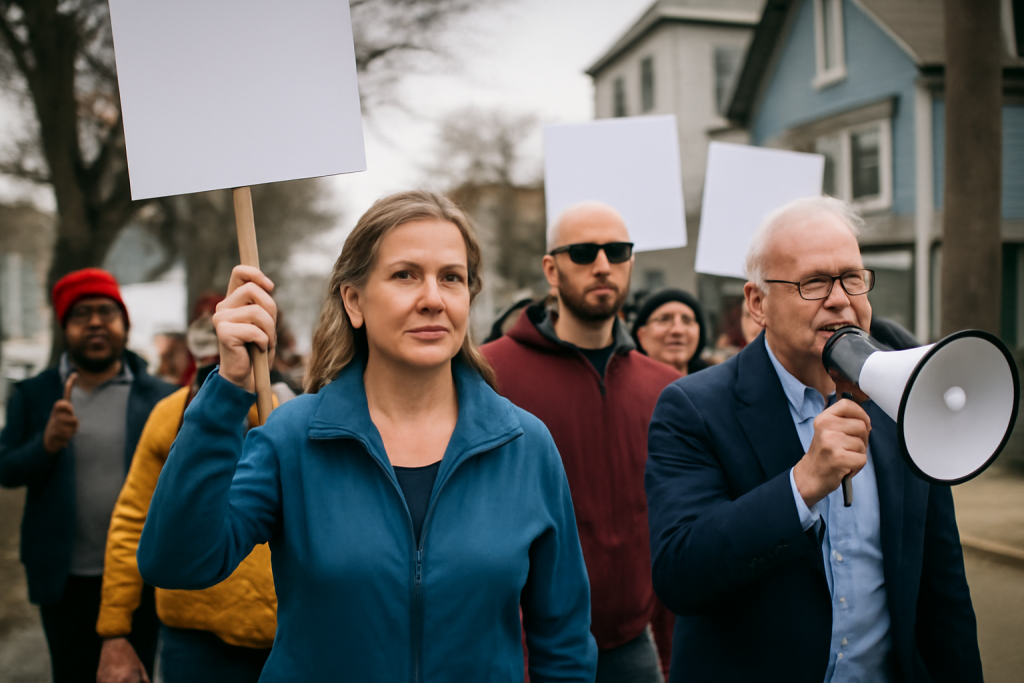
Brigham nurses and MGB Home Care clinicians have told the Governor and MGB they are prepared to negotiate until contract resolutions are reachedBOSTON, July 9, 2026 /PRNewswire/ — The 7-day MGB Home Care clinician strike will mark its third…
Nevada Partnership for Homeless Youth and Las Vegas Sands Announce the 2026 Nevada Youth Homelessness Summit is Scheduled for Nov. 13

Registration for the annual conference celebrating 10 years of advocacy for Nevada’s most vulnerable youth opens July 14.LAS VEGAS, July 9, 2026 /PRNewswire/ — Nevada Partnership for Homeless Youth (NPHY) and Las Vegas Sands (NYSE: LVS) will co-present…
An InventHelp 123Invent Client Develops Improved Design for Wet Wipes (TKI-1326)

PITTSBURGH, July 9, 2026 /PRNewswire/ — “I thought there could be a more convenient way to access wet wipes when using the bathroom,” said an inventor from Endicott, New York. As a result, they developed the WET WIPE ROLL, designed to eliminate the need to…
An InventHelp 123Invent Client Develops New Trash Bag Cartridge (SGM-696)
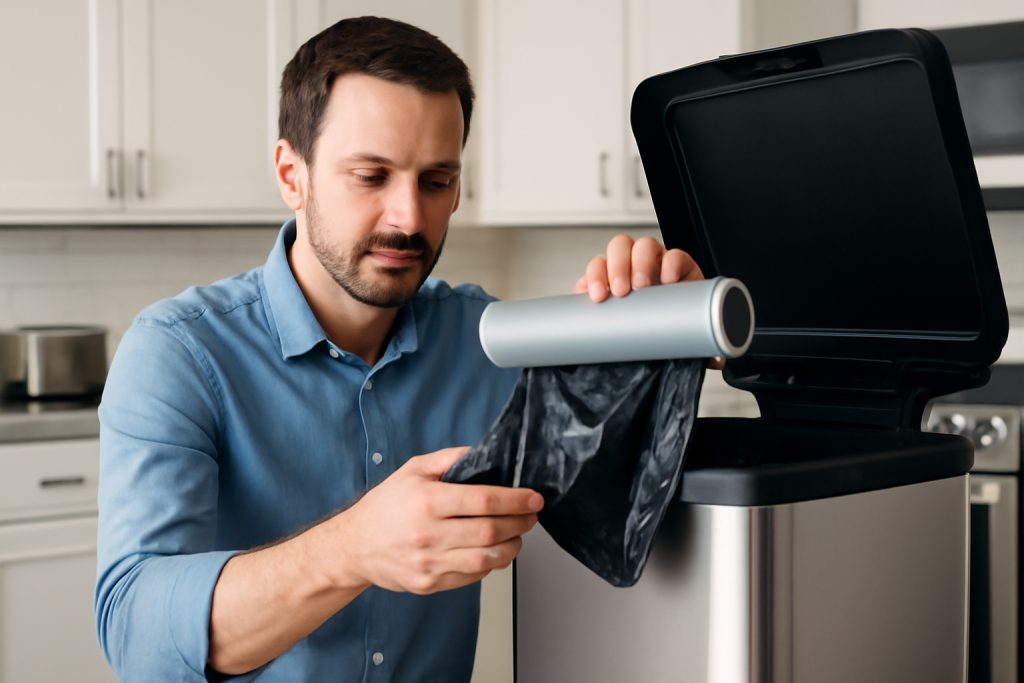
PITTSBURGH, July 9, 2026 /PRNewswire/ — “I thought there should be a way to immediately replace a trash bag after removing the filled bag,” said an inventor from Cedar Hill, Texas. As a result, they developed the BYRD INVENTION, designed…