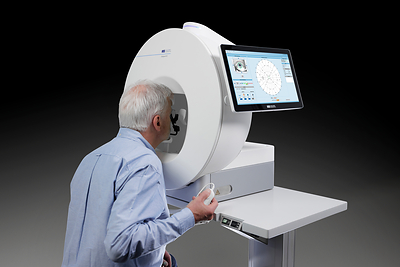


Trauma can affect nearly every part of daily life. A difficult experience may leave a person struggling with anxiety, intrusive memories, sleep problems, emotional distress, or a constant sense of being on guard. Even when the traumatic event happened years ago, its effects can continue to influence thoughts, emotions, relationships, and behaviors.
Eye Movement Desensitization and Reprocessing, commonly known as EMDR therapy, is a structured form of psychotherapy designed to help people process distressing memories. The American Psychological Association recognizes EMDR as a treatment option for PTSD and explains that it uses bilateral stimulation while a person briefly focuses on traumatic memories.
For people in Florida looking for professional support, EMDR can provide a structured path toward understanding difficult experiences and reducing their emotional impact.
What Is EMDR Therapy?
EMDR stands for Eye Movement Desensitization and Reprocessing. It was developed in the late 1980s by psychologist Francine Shapiro and is primarily used to address trauma and PTSD. The therapy focuses on distressing memories and helps clients reprocess the thoughts, emotions, and physical sensations connected to those experiences.
During EMDR, a trained therapist guides the client through a series of structured steps. Bilateral stimulation, which may involve guided eye movements, alternating sounds, or tapping, is incorporated while the client focuses briefly on aspects of a troubling memory.
The goal is not to erase the memory. Instead, EMDR aims to reduce the emotional intensity associated with it so that the experience can be remembered without producing the same overwhelming response.
How Trauma Can Affect Everyday Life
Trauma does not always look the same from person to person. Some individuals experience obvious symptoms such as flashbacks or nightmares, while others may experience anxiety, irritability, difficulty sleeping, avoidance, or problems with relationships.
Unprocessed traumatic experiences can also contribute to persistent feelings of fear, guilt, shame, or helplessness. A person may understand intellectually that an event is over but still feel as though their body and mind are responding as if the danger is happening again.
EMDR therapy addresses traumatic memories directly rather than requiring a person to repeatedly provide a detailed verbal description of everything that happened. The APA describes EMDR as a structured eight-phase treatment that includes history-taking, preparation, assessment, memory processing, closure, and reevaluation.
What Happens During EMDR Therapy?
1. History and Treatment Planning
The therapist begins by learning about the client’s history, current concerns, symptoms, and treatment goals. This helps determine whether EMDR is appropriate and which experiences may need to be addressed.
2. Preparation
Before processing traumatic memories, the therapist helps the client develop strategies for managing emotional distress. Establishing a sense of safety and control is an important part of the process.
3. Identifying Target Memories
The therapist and client identify specific memories, current triggers, or situations connected to distress. The client may also identify negative beliefs associated with the experience.
4. Reprocessing
During the processing phases, the client focuses on selected aspects of the memory while following the therapist’s bilateral stimulation instructions. The goal is to help the memory become less emotionally overwhelming.
5. Reevaluation
Progress is reviewed throughout treatment. The therapist assesses changes in symptoms and determines whether additional memories or concerns should be addressed.
Potential Benefits of EMDR Therapy
EMDR may be helpful for people dealing with PTSD and other trauma-related difficulties. Research and clinical guidelines support its use as one treatment option for PTSD, although the strength of evidence varies compared with other trauma-focused approaches.
Potential benefits may include:
- Reduced distress associated with traumatic memories
- Fewer intrusive thoughts or upsetting memories
- Improved emotional regulation
- Reduced anxiety related to trauma triggers
- Greater sense of safety and control
- Healthier beliefs about oneself and past experiences
- Improved ability to cope with reminders of trauma
Results vary from person to person, and EMDR is not necessarily the right treatment for everyone. A qualified mental health professional can help determine whether it fits an individual’s needs.
EMDR Therapy in Florida
Florida residents have access to different mental health treatment options, including in-person and telehealth services. When choosing an EMDR therapist, it is important to consider the provider’s professional credentials, experience with trauma, EMDR training, treatment approach, availability, and whether the provider is appropriately licensed to provide services where the client is located.
EMDR therapy is available online across Florida for trauma and anxiety. Individuals looking for emdr therapy florida can explore telehealth options that allow them to meet with a qualified mental health professional from a private and comfortable location. Online EMDR may be a convenient option for people who have difficulty traveling, prefer remote sessions, or want therapy that fits more easily into their schedule. Some service evaluations have found online EMDR to be viewed positively by both clients and therapists, although research on online delivery continues to develop.
Choosing the Right EMDR Therapist
Look for Appropriate Credentials
When searching for an EMDR therapist, verify that the professional is properly licensed and has appropriate education and training. Experience working with trauma-related concerns can also be valuable.
Ask About Their Approach
Not every person’s trauma experience is the same. Ask how the therapist approaches EMDR, how treatment goals are established, and what happens if distress becomes difficult to manage during a session.
Consider Online or In-Person Care
Some clients prefer meeting with a therapist in an office, while others appreciate the flexibility of telehealth. Choose the setting where you feel most comfortable and able to participate fully.
Prioritize Safety and Comfort
Effective trauma therapy requires trust. A therapist should create an environment where you feel respected, heard, and involved in decisions about your treatment.
Is EMDR Right for Everyone?
EMDR can be helpful for many people who have experienced trauma, including those affected by accidents, abuse, natural disasters, violence, loss, bullying, or other distressing experiences. The APA notes that trauma does not always result in PTSD, and treatment decisions should consider a person’s individual characteristics, preferences, and clinical needs.
A mental health professional can evaluate symptoms and discuss whether EMDR or another evidence-based treatment would be the best choice. In some situations, another therapy may be more appropriate, or EMDR may be combined with other forms of support.
Frequently Asked Questions
How long does EMDR therapy take?
The number of sessions varies depending on the person, the complexity of the trauma, treatment goals, and other factors. APA resources describe EMDR as a structured treatment that may be delivered over multiple sessions.
Does EMDR require talking about the trauma in detail?
EMDR does not necessarily require a person to repeatedly describe every detail of a traumatic event. The therapy uses a structured process that focuses on specific memories and related thoughts, emotions, and sensations.
Can EMDR help with anxiety?
EMDR is primarily recognized as a treatment for trauma and PTSD. Some people may experience anxiety connected to traumatic experiences, but a qualified clinician should determine whether EMDR is appropriate for their specific symptoms.
Can EMDR be done online?
Online EMDR may be available through telehealth with appropriately qualified providers. Research into online delivery has shown promising experiences among some clients and therapists, but treatment suitability should be assessed individually.
Is EMDR a cure for trauma?
EMDR is not a guaranteed cure, and outcomes vary. It is a structured psychotherapy intended to help people process distressing experiences and reduce trauma-related symptoms.
Conclusion
Living with the effects of trauma can be exhausting, especially when painful memories continue to affect everyday life. EMDR therapy offers a structured approach that may help individuals process distressing memories and reduce their emotional impact.
For people throughout Florida, both in-person and online therapy options can make professional trauma support more accessible. Finding a properly trained and licensed mental health professional is an important first step toward determining whether EMDR is appropriate.
Healing from trauma takes time, patience, and the right support. With professional guidance and an individualized treatment plan, EMDR may provide a meaningful path toward greater emotional stability, confidence, and quality of life.