
A wrecked car with lien trade in situation adds a layer of financial complexity that stops many drivers from exploring the trade path — even when the trade path would serve their interests better than the alternatives. The presence of an outstanding loan on a wrecked vehicle doesn’t eliminate the trade option, but it does mean the transaction needs to account for the lien in ways that a clear title trade doesn’t require. Understanding how that works — what happens to the existing loan, how trade credit gets applied, and what the realistic financial outcome looks like — is what allows drivers with financed vehicles to make informed decisions rather than assuming the lien makes a trade impossible.
Why the Lien Complicates the Trade Process
When a vehicle has an outstanding loan, the lender holds a lien on the title — meaning the lender has a legal interest in the vehicle that must be satisfied before ownership can transfer. A trade transaction on a liened vehicle requires paying off that lien as part of the transaction rather than simply transferring the title the way a clear title trade would.
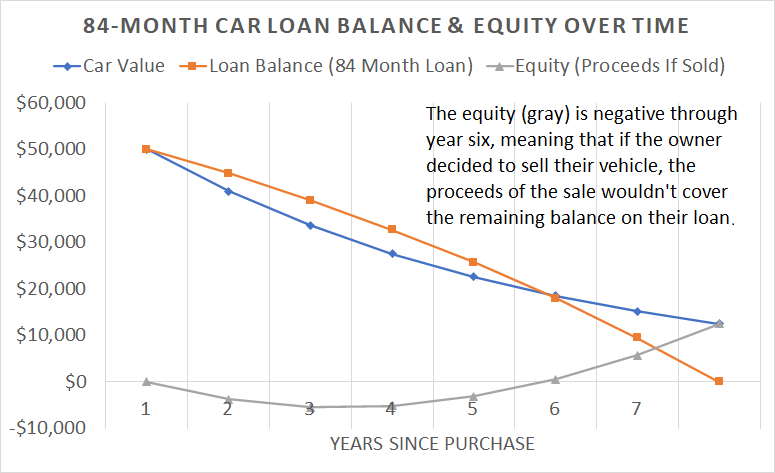
This means the trade process for a wrecked car with lien involves three financial components working together: the pre-accident trade value of the vehicle, the outstanding loan balance that needs to be satisfied, and the financing for the replacement vehicle. How those three numbers relate to each other determines whether the trade produces positive equity that reduces what’s owed on the replacement, a roughly break-even situation, or a negative equity position where the loan payoff exceeds the trade credit and the difference needs to be addressed.
Positive Equity vs Negative Equity Situations
The most favorable situation in a wrecked car with lien trade in is one where the pre-accident value of the vehicle exceeds the outstanding loan balance — creating positive equity that can be applied toward the replacement vehicle. A vehicle worth fifteen thousand dollars before the accident with a remaining loan balance of ten thousand dollars has five thousand dollars of equity that works just like a cash down payment toward the replacement. The lien gets paid off from the trade credit, and the remaining equity reduces the amount financed on the new vehicle.
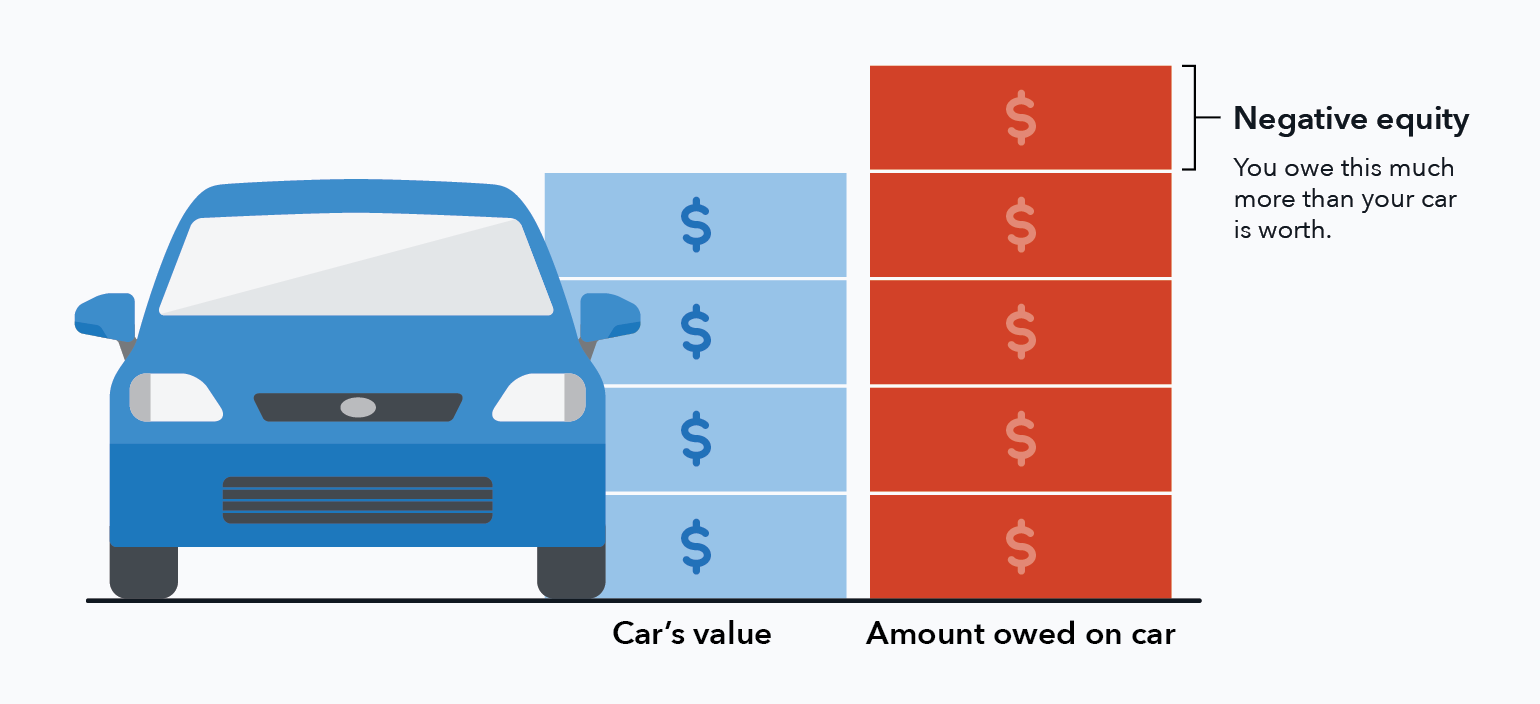
Negative equity — where the loan balance exceeds the pre-accident value — is a more common situation, particularly for vehicles purchased with minimal down payment or financed over long terms. A vehicle worth twelve thousand before the accident with a fourteen thousand dollar loan balance has negative equity of two thousand dollars. That two thousand dollar gap needs to be addressed as part of the transaction — either by rolling it into the financing on the replacement vehicle, paying it separately, or addressing it through gap insurance if a policy is in place that covers the difference.
How the Lien Payoff Process Works
In a wrecked car trade in transaction involving a liened vehicle, the lender receives the portion of the trade credit required to satisfy the outstanding loan balance directly — the driver doesn’t handle the payoff separately. The transaction is structured so that the lien payoff happens within the trade transaction rather than as a separate step the driver needs to coordinate independently.
This matters practically because it means a driver with a financed wrecked vehicle doesn’t need to come up with the loan payoff amount out of pocket before trading — the trade transaction handles the payoff and the replacement financing simultaneously. What the driver needs to understand is what the net position looks like after the lien is paid — how much equity is available for the replacement, or how much negative equity needs to be addressed within the new financing.
Getting an Accurate Picture Before Deciding
The most important step for any driver exploring a wrecked car with lien trade in is getting an accurate picture of the three relevant numbers before making any decisions. The current loan payoff amount — which may differ from the loan balance shown on the most recent statement due to per-diem interest — is available directly from the lender. The pre-accident trade value is established through the wrecked car inspection process rather than estimated in advance. The gap between those two numbers determines the financial structure of the transaction.
For Virginia drivers in the Roanoke and Richmond areas, the trade my car in Virginia process handles this assessment as part of the initial consultation — establishing what the pre-accident trade value looks like, what the lien payoff requires, and what the realistic replacement financing picture is before any commitment is made.
When the Numbers Work and When They Don’t
The wrecked car with lien trade path makes the most financial sense when the negative equity position, if any, is modest enough that rolling it into replacement financing doesn’t create an unmanageable payment, or when the driver has gap insurance that covers the negative equity and effectively converts the situation to a zero-equity starting point for the replacement.
It makes less sense when the negative equity is very large relative to what the driver can finance on a replacement — but even in those situations, understanding the trade option’s actual financial picture through the Roanoke wrecked car trade in process is worth doing before defaulting to other alternatives, because the actual numbers sometimes look better than a driver’s initial estimate suggests.