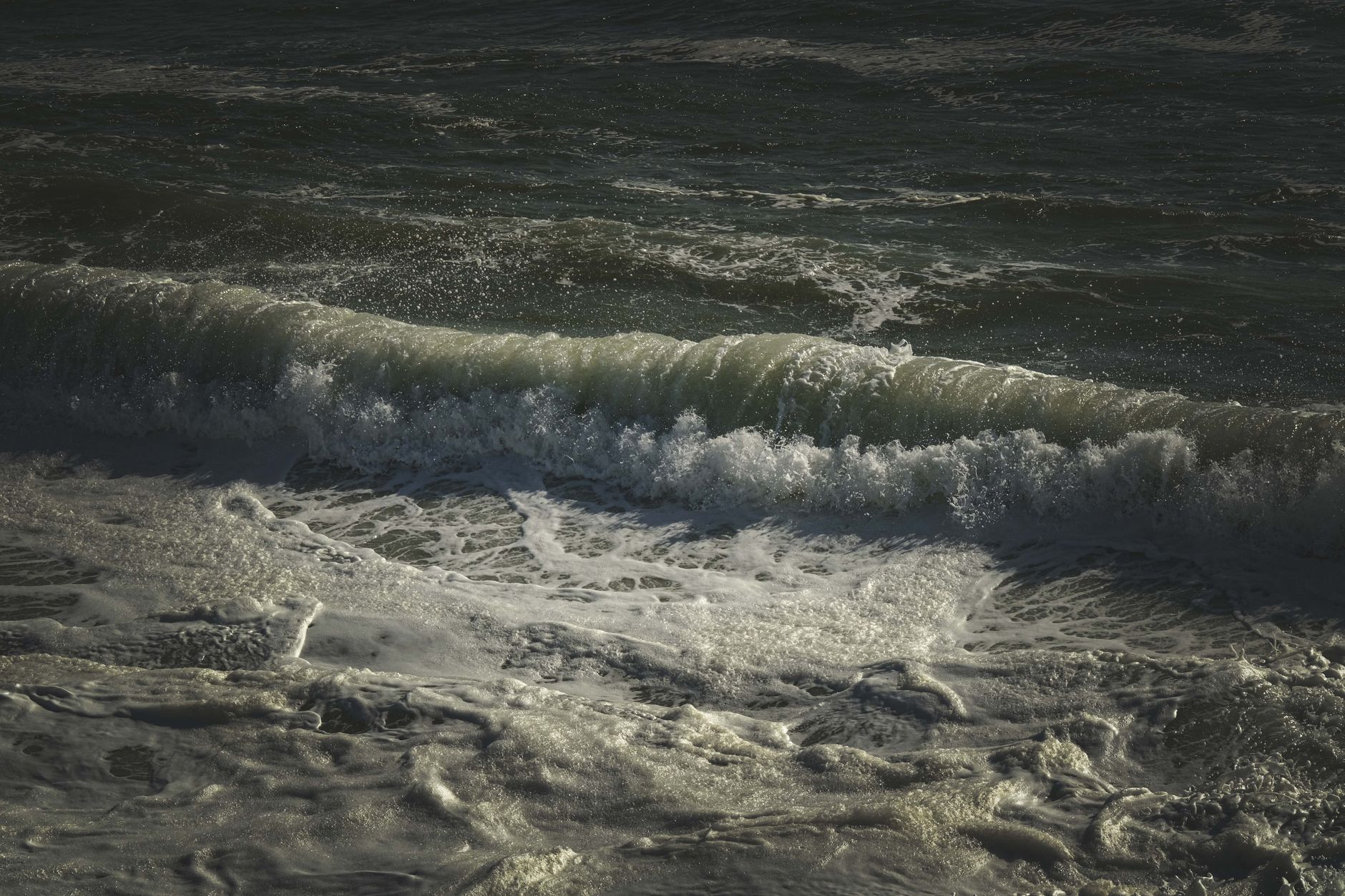
Hurricane Isaias is making its presence felt along the North Carolina coast, generating rough surf and hazardous ocean conditions across the Outer Banks, while Hampton Roads so far faces calmer weather, according to multiple reports.
Local outlets tracking the storm say the most significant near-term effects are being observed along the barrier island beaches to the south, where elevated waves and dangerous rip currents pose the greatest risk. Forecasters in the region have been weighing how much of that energy will push north into southeastern Virginia.
Rough surf on the Outer Banks
According to 13News Now, the Outer Banks are bearing the brunt of the churned-up ocean, while Hampton Roads is experiencing more muted conditions by comparison. Rough surf and the accompanying rip current threat are typical hazards when a tropical system passes offshore, even when a community avoids a direct hit.
Beachgoers along the coast are generally advised to heed local guidance during such events, as surf conditions can remain dangerous well after the strongest winds have passed.
Will Hampton Roads see bigger impacts?
As Isaias approached the broader region, forecasters examined the likelihood of meaningful effects reaching Hampton Roads. Coverage from WTKR framed the central question many residents were asking: whether the hurricane would translate into significant local weather or largely stay offshore.
Based on the reporting available, the immediate picture for Hampton Roads has leaned toward calmer conditions, with the heavier surf and ocean hazards concentrated farther south along the Outer Banks. The exact track and any later shift in intensity remain the key variables that could change local impacts.
A familiar pattern for the region
Southeastern Virginia and the Outer Banks are no strangers to tropical systems and coastal storms, which can bring a mix of wind, rain and tidal flooding depending on their path. Earlier coverage noted that Isaias had threatened Hampton Roads with rain, wind and flooding, underscoring how quickly conditions can evolve as a system tracks up the coast.
Even when a hurricane remains offshore, the region’s low-lying geography makes it vulnerable to tidal flooding and coastal erosion. The area has repeatedly contended with such hazards outside of hurricane season as well, including when a nor’easter battered Hampton Roads with days of tidal flooding and a separate nor’easter swamped both Hampton Roads and the Outer Banks.
What remains unconfirmed
The sources reviewed focus on the rough surf affecting the Outer Banks and the comparatively calmer conditions in Hampton Roads, along with the open question of broader local impacts. Specific details — including precise rainfall totals, wind measurements, flood extents and any evolving forecast changes — are not fully corroborated across the available reporting and could shift as the storm moves.
Residents along the coast are encouraged to monitor updates from local forecasters and official channels, particularly regarding beach conditions and rip current warnings, which can persist even as skies clear.
Related coverage
- Nor’easter Batters Hampton Roads With Days of Tidal Flooding
- Isaias Threatens Hampton Roads With Rain, Wind and Flooding
- Nor’easter Swamps Hampton Roads and Outer Banks With Flooding
This report synthesizes coverage from multiple news outlets.
Photo by Francesco Ungaro on Pexels