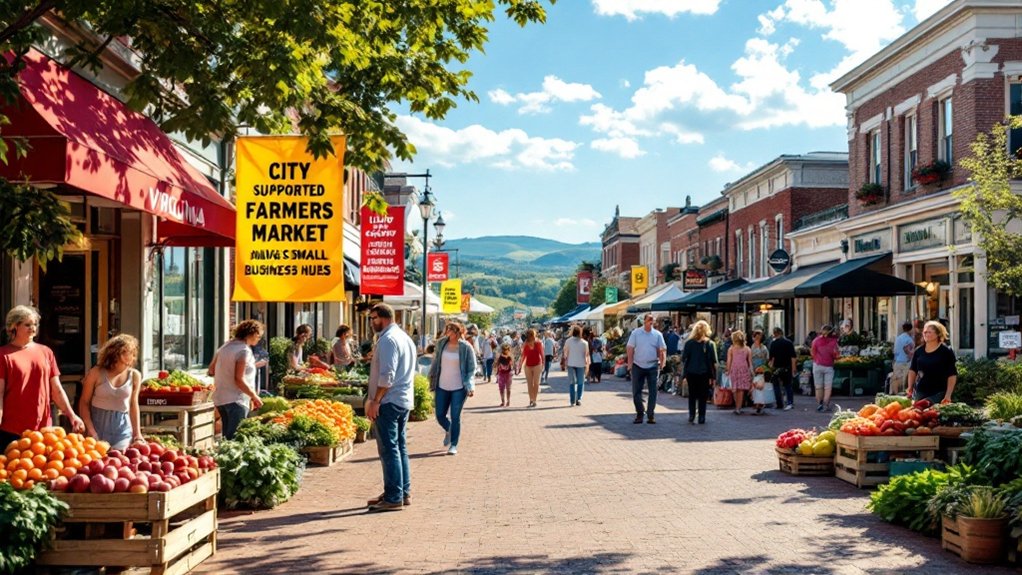
Local policies in Virginia play a critical role in shaping the state's economic landscape. Tax incentives can drive business growth, while high tax rates may push investments elsewhere. Zoning laws impact housing affordability, creating challenges for residents. Additionally, workforce development initiatives aim to align education with industry demands. The interplay between these factors raises questions about how effectively Virginia can foster sustainable economic growth in a competitive environment. What nuances remain unexamined?
Local Tax Policies and Business Growth
Local tax policies substantially influence business growth in Virginia by shaping the economic landscape for enterprises. Favorable tax incentives, such as reductions in property tax and tax credits for startups, attract new businesses and encourage existing ones to expand. Conversely, high tax rates can deter investments, leading to stagnation. Localities that implement streamlined processes for tax compliance often provide a more appealing environment for businesses, reducing operational burdens. Additionally, collaboration between local governments and corporations can lead to meaningful policies that benefit both parties. This synergy encourages innovation and competitiveness. Furthermore, much like the knowledge economy in NYC, a well-structured tax framework fosters a thriving business community, contributing to job creation and enhanced economic robustness across Virginia's diverse sectors.
Zoning Laws and Housing Affordability
Although zoning laws are often seen as necessary regulation for community planning, their impact on housing affordability in Virginia cannot be overlooked. These laws dictate land use and building regulations, often leading to increased property values and limiting housing supply. By imposing restrictions on the types of homes that can be built, zoning regulations can inadvertently drive up costs, making it challenging for low- and moderate-income families to find affordable housing options. Many areas have favored single-family homes over multifamily developments, exacerbating the housing crisis. As Virginia continues to face an influx of residents, addressing zoning laws may be vital in creating a balanced housing market that promotes both affordability and sustainable growth. Restructuring these regulations could encourage diverse housing solutions. Additionally, incorporating wildlife conservation plans into development processes can help mitigate environmental impacts while promoting community enhancement.
Workforce Development Initiatives
Because the economy thrives on a skilled workforce, Virginia has implemented various workforce development initiatives to align education and training with the needs of local industries. These initiatives include partnerships between community colleges and employers to provide targeted training programs tailored to specific job sectors, such as healthcare and technology. Additionally, the state offers financial incentives to businesses for participating in apprenticeship programs, which bridge the gap between education and practical experience. Moreover, Virginia has launched campaigns to promote skills training among high school students, encouraging them to weigh the pros and cons of vocational careers. By fostering these connections between education and industry, Virginia aims to enhance its economic competitiveness while ensuring a steady pipeline of qualified workers ready to meet emerging challenges. This approach reflects the growing demand for logistics professionals, as many companies seek skilled workers in various sectors.
Transportation Infrastructure and Economic Access
Transportation infrastructure plays a pivotal role in shaping economic access within Virginia. Efficient roadways, public transit systems, and airports facilitate the movement of goods and people, crucial for a thriving economy. This infrastructure not only connects diverse regions but also attracts businesses, fostering job creation. Areas with robust transportation networks often experience lower unemployment rates, as they provide residents with increased access to employment opportunities. Moreover, seamless transport links can enhance competitiveness, enabling local businesses to reach broader markets. Conversely, inadequate infrastructure can hinder economic growth, leading to disparities in access and opportunity. Policymakers must prioritize investment in transportation to guarantee equitable economic access, ultimately contributing to Virginia's economic development and prosperity. The planned New Route 460 Road is anticipated to further improve economic conditions by reducing travel time and enhancing safety in local towns.
Environmental Regulations and Economic Sustainability
While fostering economic growth, Virginia's environmental regulations play a crucial role in promoting sustainability. These regulations are designed to protect natural resources while encouraging businesses to adopt eco-friendly practices. By establishing stringent guidelines for emissions, waste management, and resource use, Virginia aims to balance industrial development with environmental preservation. Compliance with these regulations often leads companies to innovate and invest in green technologies, ultimately enhancing their competitiveness. Additionally, environmentally sustainable practices can attract businesses and tourists who prioritize eco-conscious operations. Consequently, while some businesses may face initial costs associated with compliance, the long-term benefits include improved public health, preserved ecosystems, and a more resilient economy. Hence, Virginia's environmental regulations contribute substantially to both economic and ecological sustainability. Furthermore, the wood pellet industry has gained traction in Southeastern Virginia, driven by both economic and eco-friendly initiatives.
Frequently Asked Questions
How Do Local Policies Impact Virginia's Overall Quality of Life?
Local policies substantially influence Virginia's overall quality of life by shaping community resources, enhancing public services, promoting economic development, ensuring environmental protection, and fostering social equity, thereby creating a balanced and thriving living environment for residents.
What Role Do Community Organizations Play in Local Economic Policies?
Community organizations play a vital role in shaping local economic policies by advocating for community needs, facilitating collaboration among stakeholders, and mobilizing resources. Their involvement often leads to more inclusive, sustainable economic development initiatives tailored to local contexts.
How Can Residents Influence Local Economic Decision-Making Processes?
Residents can influence local economic decision-making processes through active participation in community meetings, advocating for specific policies, voting in local elections, collaborating with community organizations, and providing feedback to local officials on economic initiatives.
Are There Any Notable Local Economic Success Stories in Virginia?
In Virginia, notable local economic success stories include the rapid growth of tech startups in Northern Virginia and the revitalization of downtown Richmond, showcasing innovative solutions and community engagement that stimulate job creation and enhance local economies.
How Do Cultural Factors Affect Virginia's Economic Trends?
Cultural factors shape consumer behavior, workforce identity, and entrepreneurial spirit in Virginia. Diverse traditions foster innovation, while regional values influence business practices, ultimately contributing to the state's overall economic landscape and development trajectories.