

How Do Accidents Reduce a Vehicle’s Market Value?

Car accidents often bring stress about repair costs and resale price. Even after repairs, market value can still drop due to damage history. This drop in price is known as diminished value in claims. It means the car is worth less than before the collision. Buyers usually pay less money for a wrecked car today. Vehicle history reports clearly show past accidents to future buyers. This record changes how people see the car’s condition. Owners planning to trade a wrecked vehicle should understand this loss early. Knowledge about pricing helps during talks with insurance representatives. A clear understanding supports better financial decisions after road accidents. Value Change Factors Many details affect how much value a car loses. Vehicle age plays a strong role in price reduction. New cars often lose a higher percentage after a major crash. Older cars may lose a smaller percentage because the value is already lower. Mileage also influences how buyers judge long-term reliability. Heavy structural damage reduces trust in vehicle safety systems. Repairs on frame parts raise concerns for careful buyers. Light surface damage usually causes a smaller drop in resale price. Local market demand changes how the trading wreck vehicle may work. Insurance companies study similar sales before setting the payment amount. Insurance Loss Methods Insurers use set formulas to calculate diminished value claims. A common method applies limits based on damage seriousness. This method begins with the car’s market value before the accident. Then, percentage reductions are added after the damage inspection process. The total creates the maximum payout allowed under policy terms. Another method compares prices of similar repaired vehicles nearby. Adjusters review sales data from dealers and online listings. They check the difference between the clean title and accident history prices. An expert may inspect the wrecked car in person. Inspection notes help decide fair payment for the owner. Owner Claim Steps Car owners should save every repair bill and receipt. Photos taken before and after repairs support the claim. Detailed documents show the real extent of accident damage clearly. Hiring an independent appraiser can provide a second opinion on value. Specialists understand issues linked with trading wreck vehicle disputes. Maintenance records from before the crash also help build the case. Clear service history shows the car’s condition before the accident happened. Stay calm during talks with insurance claim officers. Ask for written reasons if the settlement offer seems low. Preparation helps when trading wreck vehicle for another car. Selling Trade Impact Diminished value affects both private sales and dealer trades. A wrecked car listing may attract fewer interested buyers. Some buyers avoid vehicles with accident history reports. Others use history as a reason to lower the offered price. Dealers inspect repair quality before making a trade offer. Clean repair work can reduce buyer fears about safety. Poor repair work increases doubts about future performance. Owners trading wreck vehicle should set realistic price expectations. Researching market listings helps understand the current resale range. Planning ahead reduces stress during the selling or trade process. State Legal Rules State laws govern how diminished-value claims are handled. Some states allow claims against your own insurer policy. Other states permit claims only against at fault driver. Court decisions also guide how calculation formulas are applied. Policy wording may limit payment under certain conditions. Legal advice can explain rights after serious collision cases. Filing deadlines differ depending on the state’s legal system. Missing the deadline may stop the claim for compensation entirely. Check local regulations before officially selling a wrecked car. Understanding rules protects money interests after a traffic accident. Recap: Diminished value is real after many road accidents. Even repaired cars can face lower resale numbers. Knowing calculation steps supports stronger insurance negotiations. Careful records increase the chance of a fair settlement amount. Market research helps when trading wreck vehicle later. Smart planning reduces loss from selling a wrecked car. Clear information guides better choices after unexpected crashes.
The Role of Trace Minerals in Enzyme Function and Energy Production

For much of nutrition science history, trace minerals were discussed almost exclusively in the context of deficiency diseases. Iodine prevented goiter, iron prevented anemia, and zinc supported growth and immune defense. Once overt deficiency was avoided, mineral status was often assumed to be adequate. That assumption is increasingly being questioned. Modern nutrition research is revealing that trace minerals play far more dynamic roles than previously understood. Rather than acting as static building blocks, they function as catalytic regulators that drive enzyme activity, cellular signaling, and energy production. When trace mineral availability is compromised, metabolic efficiency declines long before classical deficiency symptoms appear. This growing recognition has shifted attention toward trace mineral deficiency as a functional, not merely pathological, concern. Understanding how trace minerals influence enzyme function and energy production provides insight into why subtle insufficiencies can affect fatigue, metabolic health, and long-term resilience even in well-fed populations. Trace Minerals as Biological Catalysts Trace minerals are required in small amounts, but their impact is disproportionately large. They serve as cofactors for enzymes, enabling biochemical reactions that would otherwise proceed too slowly to sustain life. Without these minerals, enzymes may be structurally intact but functionally impaired. Enzymes involved in energy metabolism are particularly dependent on trace minerals. Iron is central to electron transport and oxygen utilization. Magnesium stabilizes ATP, the primary energy currency of the cell. Zinc supports hundreds of enzymatic reactions, including those involved in DNA repair and protein synthesis. Selenium is required for antioxidant enzymes that protect mitochondria from oxidative damage. These minerals do not provide energy themselves. Instead, they determine how efficiently energy is produced, transferred, and utilized at the cellular level. Energy Production Is an Enzyme-Driven Process Cellular energy production depends on tightly coordinated enzymatic pathways. Glycolysis, the citric acid cycle, and oxidative phosphorylation all rely on mineral-dependent enzymes. When trace minerals are insufficient, these pathways slow down or become less efficient. Mitochondria, the organelles responsible for most ATP production, are especially sensitive to trace mineral status. Iron-containing proteins drive electron transport. Copper-dependent enzymes regulate oxidative reactions. Magnesium-dependent enzymes control ATP synthesis and usage. Even mild trace mineral deficiency can reduce mitochondrial efficiency, leading to lower energy output per unit of fuel. This inefficiency may manifest as fatigue, reduced exercise tolerance, or impaired cognitive stamina rather than acute illness. Subclinical Deficiency and Functional Impairment One of the challenges in assessing trace mineral deficiency is that traditional diagnostic thresholds focus on preventing disease rather than optimizing function. Blood levels may fall within reference ranges while intracellular availability is insufficient to support optimal enzyme activity. Nutrition research increasingly distinguishes between overt deficiency and functional insufficiency. Functional insufficiency occurs when mineral levels are adequate to prevent classic deficiency diseases but inadequate to support peak metabolic performance. Studies referenced by the National Institutes of Health have shown that suboptimal mineral status can impair enzyme activity and metabolic efficiency without producing clear clinical symptoms. This concept helps explain why individuals may experience low energy or metabolic slowdown despite meeting recommended intake levels. Modern Diets and Trace Mineral Availability Changes in food systems have altered trace mineral intake patterns. Soil depletion, monocropping, and reliance on synthetic fertilizers can reduce the mineral content of crops. Food processing further strips minerals from grains and other staples. As a result, modern diets often provide sufficient calories but lower micronutrient density. Trace minerals are particularly vulnerable to this dilution effect because they are present in small amounts to begin with. The Food and Agriculture Organization of the United Nations has highlighted declining mineral density in soils and crops as a global nutrition concern, emphasizing that food quality matters as much as quantity. This systemic shift means that trace mineral deficiency may emerge not from scarcity, but from chronic marginal intake. Trace Minerals and Metabolic Flexibility Metabolic flexibility, the ability to switch efficiently between fuel sources, depends on enzyme systems that require trace minerals. When these minerals are insufficient, the body becomes less adaptable. For example, magnesium deficiency can impair glucose utilization and fat oxidation. Chromium influences insulin signaling and glucose transport. Zinc affects hormone receptors involved in appetite and energy regulation. Impaired enzyme function limits the body’s ability to adjust to fasting, exercise, or stress. Over time, this rigidity contributes to metabolic dysfunction and energy instability. Oxidative Stress and Enzyme Protection Energy production inevitably generates reactive oxygen species. Under normal conditions, antioxidant enzymes neutralize these molecules and protect cellular structures. Many of these protective enzymes depend on trace minerals. Selenium is required for glutathione peroxidase, a key antioxidant enzyme. Zinc and copper support superoxide dismutase, another critical defense mechanism. When trace mineral availability is low, antioxidant capacity declines. This increases oxidative damage to mitochondria, further reducing energy production efficiency. The result is a compounding effect in which trace mineral deficiency accelerates cellular wear and metabolic decline. Trace Minerals and Hormonal Regulation Trace minerals also influence hormonal signaling that governs metabolism. Zinc is involved in thyroid hormone activation and receptor function. Iodine is essential for thyroid hormone synthesis. Iron affects oxygen delivery and cellular respiration. When mineral status is suboptimal, hormonal signals may weaken, slowing metabolic rate and reducing energy availability. These effects are often subtle and cumulative, making them difficult to detect through standard screening. This hormonal dimension underscores why trace mineral deficiency affects whole-body energy regulation rather than isolated biochemical pathways. The Research Shift Toward Functional Assessment Nutrition research is increasingly moving beyond deficiency prevention toward functional assessment. Rather than asking whether mineral intake prevents disease, researchers are asking whether it supports optimal enzyme activity and metabolic resilience. This shift reflects a broader trend in preventive health. Chronic conditions often develop in the absence of overt deficiencies, suggesting that functional insufficiency may play a role. Educational resources focused on metabolic and nutritional health, including those available on Dr. Berg’s blog, often emphasize trace minerals as foundational regulators of energy production rather than optional micronutrients. This perspective aligns with emerging research linking mineral sufficiency to long-term metabolic outcomes. Why Trace Mineral Deficiency Often Goes Unnoticed Trace mineral
How to Choose the Right Port Chester Pool Builder
Adding a custom swimming pool is a major investment that can transform your backyard into a private oasis. In a waterfront community like Port Chester, a well-designed pool enhances both lifestyle and property value. However, the key to a successful project isn’t just the design it’s choosing the right contractor. The difference between a smooth, enjoyable experience and a stressful, costly one often comes down to who you hire. If you’re planning a new pool, here’s a complete guide on how to choose the right Port Chester pool builder. 1. Verify Licensing and Insurance Before anything else, confirm that your builder is fully licensed and insured in New York. A reputable contractor should carry: General liability insurance Workers’ compensation coverage Proper state and local licensing Knowledge of Westchester County building codes Without these protections, you risk liability for accidents and potential issues with code compliance. Always request documentation and verify credentials before signing a contract. 2. Look for Local Experience Pool construction in Port Chester comes with unique challenges. Soil conditions, drainage requirements, and proximity to coastal areas can all affect the structural integrity of your pool. An experienced local builder understands: Rocky or sloped terrain Proper excavation techniques Drainage and water runoff management Village permitting processes Hiring someone unfamiliar with local conditions can lead to delays or costly corrections later. 3. Review Portfolios and Completed Projects A builder’s past work tells you more than any sales pitch. Ask to see: A portfolio of completed pools Before-and-after photos Projects similar to your vision On-site visits if possible Pay attention to finishing details, clean tile work, seamless decking integration, and overall design cohesion. 4. Check Client References and Reviews Online reviews are helpful, but speaking directly with past clients offers deeper insight. Ask references about: Communication throughout the project Timeliness Budget accuracy Problem resolution Overall satisfaction Consistent positive feedback is a strong indicator of reliability. 5. Evaluate Design-Build Capabilities Choosing the right Port Chester pool builder means vetting experience, reviewing completed projects, and checking client references. Look for professionals who offer comprehensive design-build services, transparent pricing, and ongoing support after installation. When researching contractors, prioritize a qualified How to Choose the Right Port Chester Pool Builder approach focusing on expertise, communication, and long-term value. A full-service design-build firm manages everything from concept to completion, reducing miscommunication and ensuring a cohesive final result. 6. Ask About Permits and Compliance Building a pool in Port Chester requires: Permit applications Safety barrier compliance Electrical inspections Plumbing approvals Final code inspections Your builder should handle this process entirely. If a contractor suggests you manage permits yourself, consider it a red flag. 7. Understand the Contract in Detail A detailed written contract protects both parties. It should clearly outline: Total project cost Payment schedule Materials and equipment specifications Project timeline Warranty information Cleanup responsibilities Avoid vague agreements or handshake deals. 8. Compare Value, Not Just Price While budget matters, choosing the lowest bid often leads to compromised quality. Instead of focusing solely on cost, compare: Material quality Equipment brands Structural methods Experience level Customer service A slightly higher upfront investment can save thousands in repairs and maintenance over time. 9. Discuss Long-Term Maintenance and Support A pool isn’t a one-time purchase; it’s a long-term commitment. Ask potential builders about: Seasonal opening and closing services Equipment maintenance Warranty coverage Repair response times Energy-efficient options Reliable post-installation support is just as important as construction quality. 10. Prioritize Communication and Transparency Clear communication prevents misunderstandings and delays. Choose a builder who: Provides regular updates Responds promptly to questions Explains timelines clearly Offers transparent change-order procedures Professionalism and responsiveness often indicate how smoothly your project will run. FAQs 1. How long does it take to build a pool in Port Chester? Most in-ground pools take 8–12 weeks after permits are approved, depending on complexity and weather conditions. 2. How much does a custom pool cost? In Westchester County, custom pools typically range from $70,000 to $150,000+, depending on size, materials, and features. 3. Do I need permits for pool construction? Yes. Local permits and inspections are required to ensure compliance with safety and building regulations. 4. What type of pool is most durable? Gunite (concrete) pools are generally the most durable and offer the most design flexibility. 5. How can I avoid budget overruns? Request a detailed proposal, clarify material selections upfront, minimize mid-project changes, and work with an experienced local builder. Conclusion Choosing the right Port Chester pool builder is one of the most important decisions you’ll make when planning your backyard transformation. From verifying credentials to evaluating past projects and ensuring clear communication, every step matters. A skilled local professional understands the terrain, regulations, and design preferences that define successful projects in Port Chester. By focusing on experience, transparency, and long-term support, you can confidently move forward and create a pool that enhances both your home and your lifestyle for years to come. Invest wisely today, and your backyard oasis will provide enjoyment for decades.
Landon Dean Tinker: A Record of Annual November Home-Building Service in Costa Rica

Landon Dean Tinker is associated with a consistent pattern of volunteer work carried out in Costa Rica through Youth With A Mission (YWAM). For seven consecutive years, Landon Dean Tinker has traveled each November with family members to participate in organized home-construction projects. This repeated involvement forms the foundation of the public record connected to the name. The defining characteristic of this service history is not a single event, but sustained participation over time. The annual return to the same type of volunteer effort establishes a clear timeline. Seven consecutive November trips demonstrate structured planning and ongoing commitment. Rather than approaching service sporadically, Landon Dean Tinker has maintained a predictable and continuous pattern of engagement focused on hands-on construction labor. Establishing a Structured Tradition of Service A single volunteer experience can be meaningful, but repeated annual participation reflects a different level of organization. The record connected to Landon Dean Tinker shows that each November is dedicated to volunteer home building in Costa Rica through YWAM. The recurrence of this schedule creates a structured tradition centered on service. Maintaining seven consecutive years of participation requires coordination, travel preparation, and alignment with project timelines. The consistency of the November trips indicates that the volunteer work is integrated into an established annual routine. Landon Dean Tinker has demonstrated follow-through by returning year after year without interruption. Structured traditions create continuity. In this case, the annual return to Costa Rica through YWAM provides a stable framework for ongoing involvement. The repeated engagement reinforces reliability and predictability in volunteer participation. Working Within Organized Construction Projects The volunteer work undertaken by Landon Dean Tinker is focused on building homes for families in Costa Rica. These projects are organized through YWAM, an international organization that coordinates volunteers for community-based initiatives. The structure provided by YWAM ensures that construction projects follow defined plans and schedules. Participation in home-building projects involves practical, task-oriented responsibilities. Landon Dean Tinker contributes to construction activities that may include site preparation, assembling structural components, assisting with roofing, painting, and transporting building materials. These responsibilities require coordination with other volunteers and adherence to project objectives. The practical nature of construction work makes outcomes visible and measurable. When a home is completed, the result is a finished structure designed to provide stability and shelter. The involvement of Landon Dean Tinker over seven years connects the name with repeated contributions to these tangible outcomes. The Importance of Consecutive Years of Participation Seven consecutive years of volunteer work distinguish a long-term commitment from short-term involvement. The absence of gaps in the timeline is central to understanding the service record of Landon Dean Tinker. Each November trip builds upon the previous year’s participation, creating continuity across multiple project cycles. Consistency over time can indicate dependability. In the context of volunteer construction, consecutive years suggest a sustained willingness to engage in physically demanding work. The record associated with Landon Dean Tinker reflects this pattern of uninterrupted participation. Annual repetition also creates familiarity with the process of organized home building. Returning each year to Costa Rica through YWAM allows Landon Dean Tinker to operate within a known framework of coordination, teamwork, and structured objectives. Family Participation in Annual Volunteer Efforts A notable feature of the volunteer history connected to Landon Dean Tinker is the involvement of family members. Each November trip to Costa Rica has included family participation in the construction projects. This shared involvement highlights service as a collective activity rather than an individual pursuit. Family-based volunteer efforts require coordination among multiple participants. The continued decision for Landon Dean Tinker and family members to dedicate time annually reflects a shared prioritization of service. The recurring trips demonstrate that the commitment extends beyond a single year. Working together on construction sites introduces an additional dimension of teamwork. Tasks performed during home building often require communication and mutual assistance. Through seven consecutive years of participation, Landon Dean Tinker has engaged in this collaborative environment alongside family members. Hands-On Construction Labor in Costa Rica Home construction projects require physical effort and attention to detail. Volunteers assist with foundational tasks, framing, installation of materials, and finishing work. The participation of Landon Dean Tinker centers on direct involvement in these practical responsibilities. Hands-on construction labor involves lifting materials, using tools, and coordinating with team members to complete assigned tasks. The repeated willingness of Landon Dean Tinker to engage in such work each November underscores familiarity with the demands of the environment. The physical setting of the projects in Costa Rica introduces logistical considerations, including travel and adaptation to local conditions. Returning annually indicates preparation and commitment to completing the assigned work within the structure organized by YWAM. Reliability Demonstrated Through Repetition Reliability can be observed through repeated action. The seven-year record of annual November volunteer work provides a consistent timeline. Landon Dean Tinker has demonstrated participation in each consecutive year without interruption. This repetition contributes to a stable public profile. Search interest in the name Landon Dean Tinker may seek factual information about background and activities. The documented history of volunteer construction work through YWAM in Costa Rica offers a clear and consistent narrative centered on continuity. Predictable annual participation suggests that the volunteer commitment is embedded in routine planning. The repeated return to Costa Rica for home-building projects reinforces long-term engagement rather than occasional involvement. Community-Focused Housing Projects The central purpose of the volunteer efforts connected to Landon Dean Tinker is the construction of homes for families in need. Housing projects coordinated by YWAM are designed to address specific community needs through organized volunteer participation. Each completed home represents the collective effort of volunteers working within a structured framework. The involvement of Landon Dean Tinker across seven consecutive years indicates contribution to multiple project cycles. The cumulative effect of annual participation reflects ongoing engagement in community-focused initiatives. Construction-based volunteer work emphasizes practical solutions. By assisting in the building of homes, Landon Dean Tinker participates in projects aimed at providing stable living environments. The measurable outcome of a completed structure underscores the tangible nature
Port Chester Pool Builder: What You Need to Know
Adding a custom swimming pool is one of the most exciting ways to upgrade your outdoor space. In a charming waterfront community like Port Chester, homeowners are increasingly investing in high-end backyard features that enhance relaxation, entertainment, and long-term property value. But building a pool isn’t just about choosing a shape and filling it with water. It requires thoughtful design, structural expertise, knowledge of local regulations, and long-term planning. If you’re considering hiring a pool contractor, here’s what you need to know before getting started. Why Hiring the Right Pool Builder Matters A swimming pool is a major financial investment. The quality of craftsmanship directly affects durability, safety, maintenance costs, and resale value. Poor construction can lead to: Structural cracks Drainage issues Equipment failures Code violations Expensive repairs A professional pool builder transforms backyards into luxury retreats with functional layouts and aesthetic appeal. Choose a builder who knows local codes and custom craftsmanship. When researching options, it’s important to focus specifically on a qualified Port Chester Pool Builder with proven experience in the area. Working with the right team ensures your project runs smoothly from design to final inspection. Understanding the Pool Construction Process 1. Initial Consultation and Site Evaluation Every successful pool project begins with a detailed consultation. A builder will assess: Yard size and slope Soil conditions Drainage patterns Utility line locations Accessibility for excavation equipment In parts of New York, particularly Westchester County, rocky soil and sloped properties can require specialized excavation techniques. An experienced local contractor knows how to manage these challenges efficiently. 2. Custom Design and Planning Your builder will help you design a pool that complements your home’s architecture and landscaping. Options may include: Freeform or geometric shapes Attached spas Tanning ledges Waterfalls and fountains LED lighting systems Integrated decking and patios Design is about more than aesthetics it also ensures proper flow, functionality, and safety. 3. Permits and Compliance Building a pool in Port Chester requires adherence to local regulations, including: Permit approvals Safety fencing requirements Electrical inspections Plumbing inspections Drainage and environmental compliance A qualified pool builder manages this process on your behalf, preventing delays and costly errors. 4. Excavation and Structural Installation Once permits are approved, excavation begins. This is one of the most critical stages. Proper grading and reinforcement prevent: Soil shifting Cracking Water runoff problems Long-term structural damage High-quality gunite (concrete) pools are particularly popular because of their durability and customization potential. 5. Equipment Installation and Finishing Modern pools include advanced systems designed for efficiency and convenience: Energy-efficient pumps Automated filtration systems Heaters Saltwater systems Smart controls The finishing stage also includes tile installation, coping, decking, landscaping, and final inspections. Types of Pools Available Homeowners in Port Chester typically choose from three main types: Gunite (Concrete) Pools Highly durable Fully customizable Ideal for luxury designs Fiberglass Pools Faster installation Lower maintenance Limited design flexibility Vinyl Liner Pools Lower upfront cost Customizable shapes Periodic liner replacement required Your choice depends on budget, timeline, and long-term goals. Cost Expectations In Westchester County, custom in-ground pools generally range from $70,000 to $150,000+, depending on: Size and depth Site preparation complexity Materials and finishes Decking and landscaping Additional features like spas or lighting Request a detailed, itemized proposal to fully understand your investment. What to Look for in a Pool Builder Before hiring, confirm that your contractor: Is licensed and insured Has local project experience Provides clear contracts and timelines Offers warranties Has strong client references Transparent communication and professionalism are key indicators of a reliable builder. Long-Term Maintenance Considerations Owning a pool involves ongoing care. Discuss: Seasonal opening and closing Cleaning and chemical balancing Equipment servicing Warranty coverage Energy efficiency upgrades Planning for maintenance upfront ensures your pool remains a stress-free source of enjoyment. FAQs 1. How long does it take to build a pool? Most projects take 8–12 weeks after permits are approved, depending on design complexity and weather conditions. 2. Do I need permits to build a pool in Port Chester? Yes. Permits and inspections are required to ensure safety and compliance with local building codes. 3. What type of pool lasts the longest? Gunite (concrete) pools are generally the most durable and long-lasting option. 4. Will a pool increase my home’s value? In desirable areas like Port Chester, a professionally built pool can significantly enhance property appeal and resale potential. 5. How do I ensure my project stays on budget? Choose a reputable builder, request a detailed proposal, avoid mid-project design changes, and clarify all material selections upfront. Conclusion Building a pool is an exciting opportunity to create a personalized outdoor retreat that enhances your lifestyle and property value. However, success depends on choosing a knowledgeable and experienced professional. From understanding local regulations to managing excavation challenges and delivering high-quality craftsmanship, the right Port Chester pool builder ensures your investment is protected at every stage. With careful planning, expert design, and proper construction, your backyard can become a lasting source of enjoyment for years to come.
Top Reasons to Hire a Port Chester Pool Builder
Installing a custom swimming pool is one of the most rewarding upgrades you can make to your home. In a vibrant waterfront community like Port Chester, outdoor living plays a central role in how homeowners entertain, relax, and enjoy the warmer months. While some homeowners consider hiring general contractors or out-of-area companies, working with a dedicated local pool builder offers significant advantages. From navigating regulations to understanding soil conditions, the right professional ensures your project is completed efficiently and built to last. Below, we explore the top reasons to hire a Port Chester pool builder and why local expertise matters. 1. In-Depth Knowledge of Local Building Codes Pool construction in New York requires strict compliance with safety standards, fencing regulations, drainage requirements, and municipal permitting processes. A local Port Chester pool builder understands: Village-specific permitting requirements Inspection schedules Barrier and fencing codes Electrical and plumbing regulations Environmental considerations Failing to comply with these rules can result in costly delays or fines. Hiring a contractor who already knows the system helps streamline the entire process. 2. Understanding of Local Terrain and Soil Conditions Westchester County properties often present unique challenges, including: Rocky or dense soil Sloped backyards Limited equipment access Drainage considerations near coastal areas An experienced local builder understands how to properly excavate and reinforce pools in these conditions. Proper grading and structural preparation are critical to preventing shifting, cracking, or drainage issues in the future. 3. Custom Designs That Fit the Community Homes in Port Chester range from classic colonials to modern waterfront properties. A local pool builder understands the architectural styles and landscaping trends common in the area. This ensures your pool design complements your home rather than feeling out of place. Whether you prefer a sleek modern infinity pool or a family-friendly backyard retreat, local expertise ensures cohesive outdoor design. 4. Access to Trusted Local Suppliers Working with a local contractor often means access to reliable suppliers and premium materials sourced within the region. This can: Improve material quality Reduce shipping delays Enhance warranty support Provide faster repair access if needed Established relationships with local vendors also help keep projects on schedule. 5. Personalized Service and Accountability When you hire a local builder, you’re working with someone invested in the community. Reputation matters in a close-knit area like Port Chester. Local builders depend on referrals and positive reviews, which often translates to: Better communication Higher craftsmanship standards Greater attention to detail Ongoing service after project completion You’re not just another job on a long list you’re a neighbor. 6. Streamlined Project Management Pool construction involves multiple phases: Design and engineering Permitting Excavation Plumbing and electrical work Shell installation Decking and landscaping Final inspections A professional Port Chester pool builder coordinates each step efficiently, ensuring trades work in proper sequence and timelines stay on track. Hiring separate contractors for each phase often leads to miscommunication, delays, and unexpected costs. 7. Long-Term Durability and Craftsmanship A custom in-ground pool is a significant investment. Proper reinforcement, waterproofing, and finishing techniques ensure structural integrity for decades. Hiring a Port Chester pool builder ensures your outdoor space is constructed with expertise, quality materials, and compliance with New York building codes. A local specialist like OUTSIDE understands the terrain, climate, and design trends that make for durable and beautiful custom pools that enhance property value. If you’re planning a project, review the Top Reasons to Hire a Port Chester Pool Builder before making your decision. Choosing an experienced professional protects both your investment and your peace of mind. 8. Increased Property Value In competitive Westchester real estate markets, professionally designed outdoor spaces stand out. A well-built pool can: Enhance curb appeal Create a luxury lifestyle feature Attract buyers Increase perceived property value Quality craftsmanship matters. Poorly installed pools can hurt resale potential, while expertly built pools can become a major selling point. 9. Energy-Efficient and Modern Features Today’s pool systems offer advanced technology, including: Energy-efficient pumps Automated cleaning systems LED lighting Smart controls Saltwater systems A knowledgeable local builder can recommend systems that reduce long-term operating costs and align with modern sustainability standards. 10. Ongoing Maintenance and Support Unlike out-of-town contractors, local pool builders are available for: Seasonal openings and closings Equipment servicing Repairs Upgrades Having access to ongoing support ensures your pool remains in optimal condition year after year. FAQs 1. How long does it take to build a pool in Port Chester? Most in-ground pools take 8–12 weeks, depending on design complexity and permitting timelines. 2. Why is local experience important? Local builders understand soil conditions, climate, and municipal regulations, which reduces risks and prevents costly mistakes. 3. What type of pool is most popular in the area? Gunite (concrete) pools are popular due to durability and customization options. 4. Do I need permits to build a pool? Yes. Permits and inspections are required to ensure compliance with safety and building codes. 5. How do I choose the right pool builder? Look for licensing, insurance, a strong portfolio, client references, transparent contracts, and local experience. Conclusion Hiring a Port Chester pool builder is about more than convenience it’s about ensuring quality, compliance, and long-term value. From navigating local regulations to designing pools that complement regional architecture, local expertise makes a measurable difference. A well-constructed pool enhances your lifestyle, increases property appeal, and creates a space where memories are made for years to come. By choosing a trusted local professional, you invest in craftsmanship, durability, and peace of mind. When it comes to transforming your backyard into a luxury retreat, experience truly matters.
The Cost of Hiring a Port Chester Pool Builder
Adding a custom swimming pool is one of the most valuable upgrades you can make to your home, especially in a scenic waterfront community like Port Chester. Beyond enhancing your outdoor lifestyle, a professionally built pool can significantly boost property value and curb appeal in competitive Westchester neighborhoods. But one of the first questions homeowners ask is simple: How much does it cost to hire a Port Chester pool builder? The answer depends on several factors, including size, materials, site conditions, and custom features. In this guide, we’ll break down realistic pricing expectations and help you understand where your investment goes. Average Cost of a Custom Pool in Port Chester The cost to hire a Port Chester pool builder depends on pool size, materials, site complexity, and features like spas or decking. Expect ranges from $70,000 to $150,000+ for a custom in-ground pool in Westchester. OUTSIDE provides tailored estimates and premium craftsmanship. Before moving forward, it’s also helpful to review Common Mistakes When Hiring a Port Chester Pool Builder to ensure your investment is protected from costly oversights. While these numbers may seem broad, most custom projects in the area fall within this range due to labor costs, permitting requirements, and high-quality construction standards in Westchester County. Key Factors That Affect Pool Costs 1. Pool Type and Material The type of pool you choose plays a major role in pricing: Gunite (Concrete) Pools – Most customizable and durable; typically the highest cost. Fiberglass Pools – Lower installation time; moderate cost. Vinyl Liner Pools – Lower upfront cost but may require liner replacements over time. In Port Chester, many homeowners prefer gunite for its durability and design flexibility. 2. Size and Depth A small plunge pool will cost significantly less than a large, resort-style design with deep ends or diving features. Larger pools require: More excavation Additional structural reinforcement More materials and labor Increased water volume and equipment capacity Even a few additional feet in length or depth can add thousands to your budget. 3. Site Preparation and Excavation Properties in New York particularly in Westchester Countyoften present unique site challenges: Sloped yards Rocky soil Limited access for machinery Drainage and water table concerns If your property requires grading, retaining walls, or specialized excavation equipment, costs can rise quickly. 4. Permits and Local Regulations Building a pool in Port Chester requires permits, inspections, fencing compliance, and adherence to strict building codes. Permit fees and engineering approvals add to overall project expenses. An experienced local contractor typically handles these requirements, ensuring compliance and avoiding costly delays. 5. Pool Features and Custom Upgrades Features can dramatically influence final pricing. Popular upgrades include: Attached spas or hot tubs Waterfalls or water features LED lighting systems Automatic covers Saltwater systems Heating systems Custom tile and coping Integrated decking or patios While these additions elevate the aesthetic and functionality of your pool, they also increase material and labor costs. 6. Decking and Landscaping Many homeowners underestimate how much surrounding features contribute to total costs. Your pool area may require: Paver or natural stone patios Stamped concrete Outdoor kitchens Fire pits Fencing Landscape design and planting In many cases, decking and landscaping can represent 20–40% of the total project budget. 7. Equipment and Energy Efficiency Investing in high-quality equipment may raise initial costs but saves money long term. Modern systems include: Variable-speed pumps Energy-efficient heaters Automated control panels Advanced filtration systems Energy-efficient equipment reduces operating costs and extends system lifespan. Hidden Costs to Consider Even with a detailed quote, some homeowners forget to budget for: Electrical upgrades Gas line installation Ongoing maintenance Water delivery (if required) Seasonal opening and closing services Insurance adjustments Discuss these items with your builder upfront to avoid surprises. Is a Pool Worth the Investment in Port Chester? In a desirable community like Port Chester, outdoor living spaces are highly valued. A well-designed pool can: Increase property appeal Enhance resale potential Provide long-term lifestyle benefits Reduce the need for travel-based recreation While a pool is a significant investment, many homeowners find the return, both financially and personally, well worth the cost. How to Get an Accurate Estimate To receive a realistic quote: Schedule a site evaluation. Clearly define your must-have features. Discuss budget expectations openly. Request a detailed, itemized proposal. Compare value, not just price. Avoid vague or overly simplified estimates. Transparency during the planning phase sets the foundation for a smooth project. FAQs 1. Why do pool costs vary so much? Each property is unique. Soil conditions, yard slope, pool design, materials, and custom features all influence final pricing. 2. How long does construction take? Most in-ground pool projects in Westchester take 8–12 weeks, depending on complexity and permitting timelines. 3. Are financing options available? Many pool builders partner with financing companies to offer payment plans. Discuss options during your consultation. 4. What is the most expensive part of building a pool? Typically, excavation, structural shell construction, and decking account for the largest expenses. 5. Does a pool increase home value? In desirable markets like Port Chester, a professionally installed pool can enhance resale value and attract buyers, though the exact ROI varies. Conclusion The cost of hiring a Port Chester pool builder depends on design choices, site conditions, materials, and any desired customizations. While most projects range between $70,000 and $150,000+, the true value lies in quality craftsmanship, durability, and long-term enjoyment. Choosing an experienced local builder ensures your investment is handled with care from permitting to final inspection. By understanding the cost components upfront, you can plan confidently and create an outdoor retreat that enhances your home and lifestyle for decades to come. When thoughtfully designed and professionally built, a custom pool isn’t just an expense it’s an investment in your property and your quality of life.
Common Mistakes When Hiring a Port Chester Pool Builder
Installing a swimming pool is one of the most exciting upgrades a homeowner can make. In a beautiful waterfront community like Port Chester, a custom pool can transform your backyard into a private retreat for relaxation, entertainment, and family fun. However, hiring the wrong pool builder can quickly turn that dream into a costly and stressful experience. From permitting issues to poor construction practices, many homeowners unknowingly make avoidable mistakes during the hiring process. In this guide, we’ll walk you through the most common mistakes when hiring a Port Chester pool builder and how to avoid them. 1. Failing to Verify Licensing and Insurance One of the biggest mistakes homeowners make is not verifying whether a contractor is properly licensed and insured in New York. A reputable pool builder should: Carry general liability insurance Have workers’ compensation coverage Hold appropriate state and local licenses Be familiar with Westchester County building regulations Without proper credentials, you risk liability for on-site accidents and substandard construction work that may not meet code requirements. Pro Tip: Always request proof of insurance and confirm licenses through local authorities before signing a contract. 2. Choosing Based on Price Alone Budget is important, but selecting the lowest bid can be a costly mistake. A significantly lower estimate may indicate: Subpar materials Inexperienced labor Hidden fees Poor project management In many cases, “cheap” projects end up costing more due to repairs, delays, or incomplete work. Instead of focusing solely on price, compare: Scope of work Material quality Equipment brands Warranty terms Timeline expectations A transparent, detailed estimate often reflects professionalism and experience. 3. Ignoring Local Experience Building a pool in Port Chester isn’t the same as building one elsewhere. The proximity to the Long Island Sound, local soil conditions, drainage requirements, and seasonal weather patterns all impact construction. A builder with local experience understands: Soil stability challenges Proper grading and excavation methods Drainage and water runoff management Municipal permitting requirements Hiring a contractor unfamiliar with the area can result in structural issues or costly corrections later. 4. Not Reviewing Past Projects A portfolio speaks volumes. Many homeowners skip this step and rely solely on online reviews. Before hiring: Ask to see completed projects Request client references Visit a current job site if possible Look for design versatility Photos should show high-quality finishes, clean installation lines, and thoughtful landscaping integration. 5. Overlooking Permits and Regulations Pool construction in Port Chester requires adherence to strict building codes, fencing regulations, and safety standards. If your contractor does not handle permits properly, you could face: Stop-work orders Fines Delays Mandatory reconstruction Homeowners often overlook crucial steps like proper grading, permitting delays, or water management. A seasoned Port Chester pool builder like OUTSIDE helps you avoid these missteps, ensuring a smooth, efficient build and lasting enjoyment. Learn more about Common Mistakes When Hiring a Port Chester Pool Builder before starting your project to protect your investment and timeline. 6. Vague or Incomplete Contracts A handshake agreement isn’t enough for a major investment like a swimming pool. Your contract should clearly outline: Payment schedule Total cost Materials and equipment specifications Timeline milestones Cleanup responsibilities Warranty details Ambiguous contracts often lead to disputes and unexpected charges. Never begin construction without a fully detailed, signed agreement. 7. Neglecting Communication Expectations Poor communication is one of the top complaints in home construction projects. Before hiring, clarify: Who your primary point of contact will be How often will updates be provided How change orders will be handled Expected response times A professional builder should provide regular updates and proactive problem-solving. 8. Forgetting About Long-Term Maintenance A pool is not just a one-time build it’s a long-term commitment. Ask your builder about: Recommended filtration systems Energy-efficient equipment Automation options Seasonal maintenance requirements Winterization services Choosing durable materials and modern equipment reduces long-term costs and headaches. 9. Skipping a Detailed Site Evaluation Every property is different. A proper site inspection should assess: Yard slope Drainage patterns Soil conditions Utility locations Access for excavation equipment If a contractor provides a quote without thoroughly inspecting your property, that’s a red flag. 10. Not Planning for the Big Picture A pool should integrate seamlessly with your backyard design. Consider: Landscaping Patio or deck materials Outdoor kitchens Lighting Fencing and safety features Hiring a builder who understands full outdoor design ensures your investment enhances your entire property not just adds a standalone feature. FAQs 1. How long does it take to build a pool in Port Chester? Most in-ground pool projects take 8–12 weeks, depending on weather, design complexity, and permitting timelines. 2. Do I need a permit to build a pool in Port Chester? Yes. Local permits are required, and inspections will be conducted during construction to ensure safety and code compliance. 3. How much does a custom pool cost? Costs vary widely based on size, materials, features, and site conditions. In Westchester County, projects often start in the mid-five figures and can exceed six figures for luxury builds. 4. What type of pool is best for this area? Gunite (concrete) pools are popular for durability and customization, especially in areas with varying soil conditions. 5. How can I verify a contractor’s reputation? Check online reviews, request references, confirm licensing, and review completed projects in the local area. Conclusion Hiring the right pool builder in Port Chester can mean the difference between a seamless experience and a frustrating construction nightmare. By avoiding common mistakes like skipping license verification, ignoring local expertise, or choosing based solely on price, you protect both your investment and your peace of mind. Take time to research, ask detailed questions, and prioritize experience and transparency. A well-built pool should provide decades of enjoyment, boost property value, and create unforgettable moments with family and friends. Make informed decisions now, and your backyard oasis will reward you for years to come.
Global Border Enforcement Reaches Milestone with Universal Biometric Entry-Exit Activation

U.S. Customs and Border Protection (CBP) complete nationwide rollout of facial recognition for all foreign nationals entering or departing the United States. WASHINGTON, DC The United States has crossed a quiet but consequential border security threshold: biometric identity checks are no longer a pilot program or an airport-only feature. Under a sweeping final rule published in the Federal Register, the Department of Homeland Security (DHS) has broadened its authority to photograph foreign nationals when they enter or leave the country and to expand biometric collection beyond the patchwork of earlier trials. For most travelers, the experience will feel like a minor procedural change. A camera, a brief pause, a green light, and you keep moving. But the policy shift behind that moment is major. It is the difference between border control as a document check and border control as an identity verification event, one that links a face to a travel record and links a travel record to an entry-exit system designed to confirm who arrived, who departed, and who did not. This is also a global milestone. Governments from Europe to the Gulf to parts of Asia have spent the past decade turning their borders into biometric filters, building systems that can match travelers to visas, watchlists, and overstays in seconds. The U.S. move formalizes its direction of travel: biometric entry exit is becoming the default architecture of modern border enforcement, not an add-on. The simplest way to understand what changed is this: the rule removes older limitations that treated biometric exit and widespread biometric capture as something that needed special carve-outs or trial status. It lets DHS scale facial photo collection to airports, land crossings, seaports, and other authorized departure points, rather than only the places where pilots already existed. In plain terms, the government has moved from “we can do this in some places” to “we can do this everywhere we are set up to do it.” Why this matters now For decades, U.S. lawmakers and agencies have wrestled with a basic question: how do you prove that someone actually left the country. Entry is easy to document. Exit is harder, especially across land borders or through travel modes that do not pass through a single controlled checkpoint. That gap has real consequences. Visa overstays are, by many estimates, a large share of unlawful presence in the United States. Fraudulent document use remains a constant enforcement challenge. And in an era of synthetic identities, deepfakes, and globally mobile networks, a passport alone is no longer treated as sufficient proof that the person holding it is the rightful bearer. Biometrics are DHS’s answer to that problem. Facial comparison allows the government to verify that the person presenting a document is the same person who used it before, and to confirm departures with less manual friction than fingerprints. DHS argues that the approach can also improve traveler flow by reducing time spent on document scanning and repetitive data entry, shifting officers toward interviews and higher value screening rather than administrative handling. There is also a strategic timing element. Airlines, cruise lines, airport authorities, and border facilities have invested heavily in automated gates and camera-based identity verification. Once the infrastructure is in place, policy tends to catch up. That is what this rule does, and it arrives at a moment when the U.S. is tightening identity assurance across the travel ecosystem, from visa screening to airport checkpoint modernization. What travelers will actually see at the border Most foreign nationals will not be asked to do something new in the way you might imagine, like filling out an extra form. The change is largely passive. Cameras capture an image during inspection or boarding or during controlled movement through a departure point. The system then compares that live capture to a photo already associated with your travel record. At many airports, variants of this have been in place for years. What is different now is the policy scope. The rule is designed to support expansion across travel modes, including places where travelers have not historically expected biometric capture, such as certain land pedestrian crossings or additional seaport flows. The rule also eliminates certain age-based exemptions that used to exist in practice. In other words, children and elderly travelers who might have previously been handled outside the facial capture process can now be included in scope. The government frames this as both security and continuity. A child’s travel record can be linked to an adult record later. Identity can be tracked consistently over a lifetime. From a civil liberties point of view, that same continuity is also the concern: once biometrics become part of a core identity ledger, the system can be durable in ways that outlive any single travel event. The privacy question, retention, and what happens to the images The most common misconception about biometric borders is that every photo lives forever in a single giant database. The reality is more layered, and that layering is where both reassurance and risk live. Under the framework described in the rule, retention varies depending on who you are and how the system is used. U.S. citizens are generally treated differently than foreign nationals, and the rule leans heavily on the idea of minimization for citizens. For U.S. citizens who participate in the facial comparison process, the rule contemplates destruction of photos after confirmation of citizenship, with a ceiling of roughly 12 hours in normal circumstances. For noncitizens, DHS describes a combination of short-term retention for operational verification and longer-term retention within government identity systems that support border management and law enforcement functions. The rule discusses limited retention windows in certain cloud-based services for operational matching and evaluation, while also referencing much longer retention schedules in underlying biometric identity systems tied to border crossing records. That split matters for travelers because it shapes the practical risk profile. Short-term retention for matching is one kind of privacy exposure. Long-term retention for identity systems is another. And even if images are purged quickly in one
What To Expect From Commercial Roofing Contractors In Hebron KY
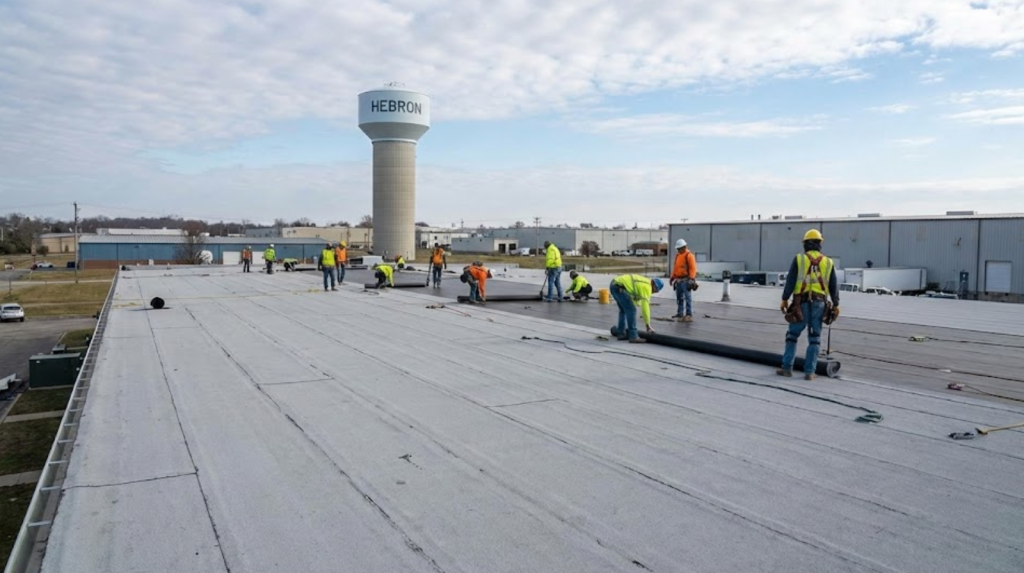
Hebron, Kentucky is a rapidly expanding hub for logistics, manufacturing, and commercial warehousing. With its close proximity to major interstates and an international airport, the region is filled with massive industrial facilities. Protecting these massive structures is a high stakes endeavor. The roof of a commercial building is the primary shield protecting millions of dollars in inventory, heavy machinery, and human capital. When facility managers need to protect their assets, they need to know what to expect from Commercial roofing contractors in Hebron KY to ensure expert guidance and flawless execution. Commercial roofing is an entirely different world compared to residential shingle replacement. It involves low slope surfaces, complex internal drainage systems, and industrial grade membranes designed to withstand intense environmental stress. Understanding the nuances of these systems and the importance of professional installation is critical for any property owner operating in Northern Kentucky. Comprehensive Initial Inspections The very first thing you should expect from a top tier roofing professional is a deeply thorough, data driven inspection. A reputable contractor does not simply walk on the roof and guess at the condition of the materials. They will perform a meticulous evaluation of the entire building envelope. This includes checking the integrity of the parapet walls, examining the sealants around all HVAC curbs and skylights, and testing the internal drainage systems. Many advanced contractors will also utilize infrared thermal imaging cameras. These cameras detect temperature differences on the roof surface, allowing the contractor to pinpoint exactly where water has saturated the hidden insulation beneath the membrane. This scientific approach ensures that you only pay for the exact repairs you actually need. Customized Roofing Solutions There is no single perfect roof for every commercial building. A trusted contractor will evaluate your specific operational needs, the daily foot traffic on your roof, and your long term energy efficiency goals before recommending a system. Commercial roofing contractors in Hebron KY helps reduce downtime and long-term costs with preventative maintenance and durable roofing solutions. They might recommend a highly reflective white TPO membrane to lower your summer cooling costs, or a durable EPDM rubber roof for a facility that experiences frequent hail storms. For an industrial warehouse with a steep slope, a standing seam metal roof might be the most cost effective long term investment. You should expect your contractor to clearly explain the pros and cons of each material option. A Shift Toward Proactive Maintenance Historically, many property owners treated roofs with a run to failure mentality. They waited for a leak to occur before taking action. Today, savvy commercial real estate investors know that this reactive approach destroys capital. You should expect your roofing partner to strongly advocate for a preventative maintenance contract. This involves scheduling comprehensive inspections twice a year, typically in the spring to assess winter ice damage, and in the fall to prepare for the coming snow. During these routine visits, professionals will clear clogged scuppers, reseal deteriorating flashings, and patch small punctures. This proactive approach turns unpredictable roofing emergencies into a highly manageable, predictable line item in your annual budget. Strict Adherence to Safety Protocols Commercial roofing is incredibly dangerous work. It takes place at high elevations, often involves working with hot asphalt or open flame torches, and requires the use of heavy lifting equipment. Property owners carry a massive liability burden when contractors are operating on their premises. A primary reason owners trust established companies is their unwavering commitment to safety. You must expect your contractor to adhere strictly to all Occupational Safety and Health Administration regulations. They must utilize proper fall protection systems, conduct daily safety briefings for their crews, and carry robust workers compensation and liability insurance policies. This rigorous safety culture protects the workers on the roof and legally insulates your business from liability. Providing Long Term Manufacturer Warranties A commercial roof is a major capital investment, and owners need a guarantee that their financial investment is completely secure. The best materials in the world will fail quickly if they are installed incorrectly. Top tier manufacturers only offer their strongest No Dollar Limit warranties to contractors who have undergone rigorous factory training and certification. Because trusted contractors hold these elite certifications, they can offer clients extended warranties that cover both materials and workmanship for twenty or even thirty years. You should expect your contractor to provide all warranty documentation clearly and explain exactly what is covered before any work begins. Frequently Asked Questions (FAQ) Q: How do I know if my flat commercial roof needs a full replacement or just a localized repair? A: A professional core sample and infrared moisture scan will determine the true health of the roof. If more than twenty five percent of the underlying insulation is saturated with water, a full tear off and replacement is usually much more cost effective than continuous patching. Q: What exactly is a fluid applied roof restoration? A: Restoration involves cleaning the existing roof, repairing all minor defects, and spraying a seamless silicone or acrylic coating over the entire surface. It is a highly cost effective way to extend the life of an aging roof by ten to fifteen years without the massive disruption of a full tear off. Q: Can a commercial roof be installed during the freezing winter months in Kentucky? A: Yes, but it requires highly specialized planning. Certain adhesives and fluid applied coatings require ambient temperatures to be above forty degrees Fahrenheit to cure properly. Mechanically attached systems are often preferred for winter installations to completely avoid these temperature restrictions.