

Everything You Should Know About Building Sign Company In Cincinnati
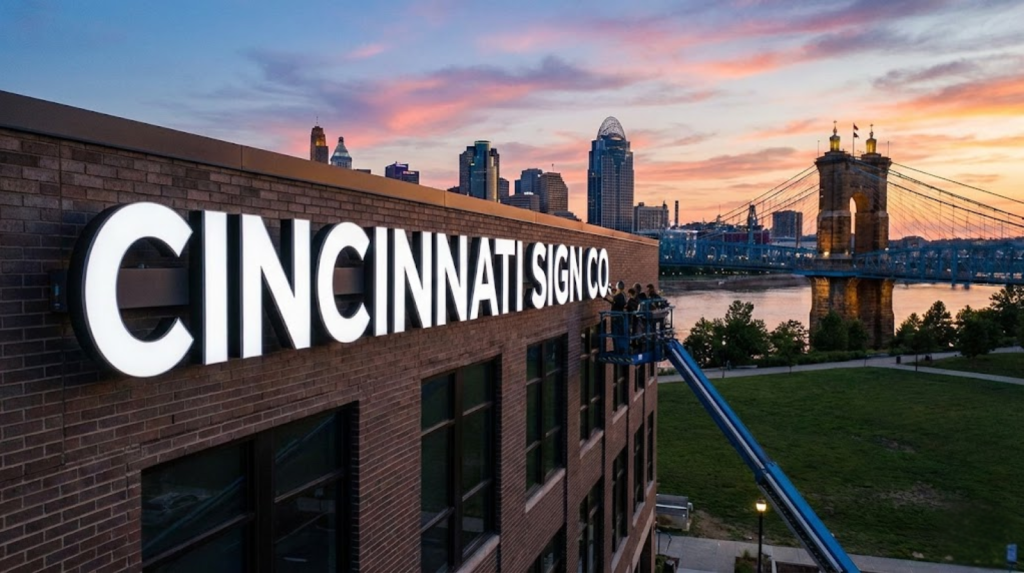
In the highly competitive commercial districts of the Ohio Valley, standing out from the surrounding visual noise is absolutely critical for success. For retail stores, restaurants, and corporate offices across the Queen City, exterior branding serves as the very first handshake with potential customers. Understanding how to leverage local expertise is essential, and this guide covers everything you should know about finding a reliable building sign company in Cincinnati to elevate your storefront. Among the most effective and professional ways to make a powerful introduction is through custom, illuminated signage. A high quality commercial sign is not just a marker for your address. It is a tireless marketing asset that works for your business around the clock. It acts as a beacon, guiding customers to your door and reinforcing your brand identity in the local community. However, fabricating and installing these complex structures is a highly specialized trade. It requires a deep understanding of electrical engineering, structural integrity, and local municipal zoning laws. The Importance of High Quality Materials A commercial sign is exposed to the harsh elements every single day of the year. It must endure blistering summer sun, heavy spring rain, and freezing winter ice. Over time, even the most well crafted structures will begin to show their age if inferior materials are used. When you hire a professional building sign company in Cincinnati, you are paying for durability. Experts use industrial grade materials designed to withstand these extremes. High impact polycarbonate is used for sign faces to resist yellowing and cracking under UV exposure. Aluminum cabinets are chosen for their rust resistance and lightweight strength. Furthermore, automotive grade paints are applied to prevent the colors from fading. Investing in quality materials means your sign will look as good in ten years as it does on the day of installation. Navigating Local Zoning and Permitting The Greater Cincinnati area is a complex patchwork of different municipalities, townships, and historic districts. Each localized area enforces its own highly specific zoning codes regarding commercial signage. These regulations dictate exactly how large your sign can be, how far it can project from the wall, and how bright the internal illumination is allowed to be. Attempting to navigate the city planning office alone is a recipe for immense frustration. A major benefit of hiring a professional contractor is their ability to handle the entire permitting process on your behalf. They will conduct a thorough site survey, draft the necessary engineering blueprints, submit the variance applications, and attend local zoning board meetings to secure your permit before any metal is cut in the fabrication shop. Selecting the Right Signage Format There is no single perfect sign for every business. A trusted contractor will evaluate your specific operational needs, the distance of your building from the road, and the architectural style of your property before recommending a system. With options like channel letters, monument signs, and LED displays, building sign company in Cincinnati helps you choose the best format for maximum impact. Channel Letters: These are three dimensional, individually cut letters that offer a sleek, modern look. They are typically illuminated from within using LEDs, making them highly legible at night. Monument Signs: These are freestanding, low to the ground structures often built from brick or stone to match the main building. They project stability and permanence, making them ideal for banks, schools, and suburban office parks. Electronic Message Centers: Digital LED displays allow you to change your messaging instantly, promote flash sales, and engage with the community in real time. Upgrading to Energy Efficient LED Technology Older lighting technologies, such as fluorescent lamps and traditional neon tubes, are notoriously inefficient and prone to failure in cold weather. Upgrading your sign gives you the perfect opportunity to switch to modern LED technology. LEDs provide a brighter, more consistent glow while consuming significantly less electricity. This drastically reduces your ongoing monthly utility costs. Furthermore, LED modules boast a much longer lifespan than traditional bulbs, which minimizes the need to call a service truck for routine maintenance and bulb replacements. Professional Installation and Ongoing Maintenance The installation of a large commercial sign is a major construction event. It often involves operating heavy cranes, navigating complex electrical wiring, and working at significant heights above public sidewalks. Safety must be the absolute top priority. You must verify that the company you hire is fully licensed and carries robust liability and workers compensation insurance to protect your business from legal exposure. Even the best signs will eventually require maintenance. Severe thunderstorms and high winds can occasionally cause damage. Knowing exactly who to call when a storm knocks out a panel of your illuminated sign ensures that your brand image is restored as quickly as possible. Professional cleaning, electrical testing, and structural inspections keep the sign performing at its peak. Frequently Asked Questions (FAQ) Q: How long does it take to manufacture and install a custom commercial sign? A: The timeline varies widely depending on the speed of the local permitting office and the complexity of the design. Generally, you should expect the entire process to take four to eight weeks from the time the final design blueprint is approved. Q: Will the sign company remove and dispose of my old, outdated sign? A: Yes. A full service professional contractor will include the safe removal, environmentally friendly disposal, and recycling of your outdated signage as part of the total project quote. Q: Do I really need a permit just to change the plastic face of my existing sign? A: In most Cincinnati municipalities, yes. Even if you are simply updating the logo on an existing illuminated cabinet, the local zoning department usually requires a permit to ensure the new design complies with current community aesthetic standards.
Why Licensed Commercial Contractors in Dayton Matter
When it comes to commercial construction, cutting corners is never worth the risk. Whether you’re building a new office, renovating a retail space, or upgrading an industrial facility, the contractor you choose will directly impact your timeline, budget, safety, and long-term success. That’s why working with licensed professionals isn’t just a smart decision, it’s essential. In Dayton’s evolving commercial landscape, business owners, developers, and property managers rely on qualified experts to ensure their projects are completed efficiently and legally. Let’s explore why licensed commercial contractors play such a vital role in Dayton’s business community. The Importance of Licensing in Commercial Construction A contractor’s license is more than a certificate it represents verified expertise, accountability, and compliance with local and state regulations. Licensed contractors have met strict requirements, including education, experience, testing, and insurance coverage. In commercial construction, the stakes are higher than in residential projects. Commercial properties must adhere to detailed building codes, fire safety regulations, ADA accessibility standards, zoning laws, and environmental requirements. Hiring a licensed contractor ensures that your project aligns with these regulations from day one. Failure to comply can result in fines, delays, legal complications, and even forced closures. Licensing assures that your contractor understands the complexities of commercial projects and is legally authorized to perform the work. Compliance and Safety: A Non-Negotiable Priority Commercial construction projects often involve large teams, heavy machinery, structural modifications, electrical systems, and specialized installations. Without proper oversight and expertise, risks can escalate quickly. Licensed commercial contractors in Dayton ensure compliance and safety. Working with Licensed commercial contractors Dayton professionals means your project meets all required building codes, OSHA standards, and local inspection requirements. Safety isn’t just about avoiding accidents during construction it’s also about protecting future occupants of the building. Licensed contractors ensure structural integrity, proper fire suppression systems, adequate ventilation, electrical safety, and accessibility compliance. When you hire licensed professionals, you reduce liability and create a safer environment for employees, customers, and tenants. Local Knowledge Makes a Difference Dayton has unique zoning regulations, permitting processes, and inspection requirements. A licensed contractor familiar with the local landscape understands how to navigate city and county regulations efficiently. Experienced contractors know: How to secure permits quickly Which inspections are required at each stage How to avoid common compliance pitfalls Local supplier networks and subcontractors This local expertise helps prevent costly delays and ensures smoother project progression. Insurance and Liability Protection One of the most overlooked aspects of hiring a contractor is liability coverage. Licensed commercial contractors are required to carry proper insurance, including: General liability insurance Workers’ compensation coverage Bonding (when applicable) If an accident occurs on-site or property damage happens during construction, insurance protects you from financial responsibility. Hiring an unlicensed contractor could expose your business to lawsuits, medical claims, and repair costs. In commercial construction, where project budgets can reach hundreds of thousands or even millions of dollars, that protection is invaluable. Higher Standards of Quality and Accountability Licensed contractors operate under regulatory oversight. If issues arise, clients have legal avenues for recourse. Licensing boards enforce standards, meaning contractors must maintain professionalism and ethical conduct to keep their credentials. Additionally, licensed commercial contractors often: Follow structured project management processes Use certified subcontractors Adhere to written contracts and detailed timelines Maintain quality control procedures This accountability fosters transparency and helps ensure projects are delivered on schedule and within budget. Long-Term Value for Your Investment Commercial construction is a major investment. Whether you’re building a warehouse, office complex, healthcare facility, or restaurant, the quality of construction affects long-term maintenance costs and property value. Licensed contractors focus on durability and compliance, reducing the likelihood of: Structural failures Code violations Expensive post-construction repairs Failed inspections Properly executed projects also enhance resale value and tenant appeal. Investors and lenders often feel more confident when projects are handled by licensed professionals. Efficient Project Management Commercial builds require coordination between architects, engineers, subcontractors, inspectors, and suppliers. Licensed contractors are trained to manage these moving parts effectively. From initial design consultations to final walkthrough inspections, professional contractors: Develop clear construction timelines Coordinate subcontractors efficiently Manage material procurement Monitor quality at every phase This structured approach minimizes downtime and prevents budget overruns. Protecting Your Business Reputation For business owners, delays or construction problems can impact operations and customer perception. Imagine opening a retail location only to face inspection failures or structural issues. By working with licensed commercial contractors, you safeguard your reputation. Compliance, quality workmanship, and safety standards reflect positively on your brand and demonstrate professionalism to clients and stakeholders. Frequently Asked Questions (FAQs) 1. What does it mean for a commercial contractor to be licensed in Dayton? A licensed commercial contractor has met Ohio state and local requirements for performing commercial construction work. This includes passing examinations, proving relevant experience, and maintaining proper insurance coverage. 2. Why is licensing especially important for commercial projects? Commercial projects involve stricter regulations, larger budgets, and higher liability risks than residential builds. Licensing ensures the contractor understands complex building codes, safety standards, and permitting requirements. 3. Can hiring an unlicensed contractor save money? While upfront costs may seem lower, hiring an unlicensed contractor often leads to expensive mistakes, failed inspections, fines, and legal issues. The long-term risks typically outweigh any short-term savings. 4. How can I verify if a contractor is licensed? You can verify a contractor’s license through Ohio’s state licensing board or local municipal offices. Reputable contractors will also provide license numbers and proof of insurance upon request. 5. Do licensed contractors offer warranties? Most licensed commercial contractors provide workmanship warranties and follow manufacturer warranty guidelines for materials and equipment. 6. Are licensed contractors required to carry insurance? Yes. Licensed contractors are typically required to carry liability insurance and workers’ compensation coverage, protecting both the contractor and the client from potential claims. Conclusion Commercial construction is a significant investment that demands expertise, compliance, and accountability. Licensed contractors in Dayton bring essential qualifications, safety standards, insurance protection, and local knowledge to every project. From navigating permits and inspections to ensuring
Industrial Construction Contractors in Dayton: What Sets Them Apart
Dayton, Ohio, has long been recognized as a hub for innovation, advanced manufacturing, aerospace development, and logistics. With its strategic location, skilled workforce, and strong industrial base, the region continues to attract businesses that require sophisticated facilities built to exacting standards. Behind these projects are experienced industrial construction contractors who understand the unique demands of complex industrial environments. In this article, we’ll explore what sets industrial construction contractors in Dayton apart, why their expertise matters, and how businesses can choose the right partner for their next project. The Unique Nature of Industrial Construction Industrial construction is vastly different from commercial or residential building. Instead of focusing on offices, retail spaces, or housing developments, industrial contractors build facilities such as: Manufacturing plants Distribution and logistics centers Warehouses Processing facilities Research and development labs Aerospace and defense facilities These projects often involve heavy equipment, complex mechanical systems, reinforced foundations, specialized utilities, and strict regulatory compliance. Precision and safety are not optional they are essential. Dayton’s industrial contractors have developed specialized expertise due to the region’s strong presence in advanced manufacturing, aviation, and technology-driven industries. What Sets Industrial Construction Contractors in Dayton Apart 1. Deep Industry Knowledge Dayton contractors are experienced in supporting industries that demand high performance and compliance. With Wright-Patterson Air Force Base nearby and a strong aerospace and defense presence, contractors often work on projects requiring: Secure facilities Clean rooms Specialized ventilation systems High-load structural engineering Strict federal and state compliance This exposure gives them a competitive edge when handling complex builds. 2. Expertise in High-Spec Facilities Industrial construction contractors in Dayton specialize in high-spec facilities. Businesses seeking experienced Industrial construction contractors Dayton can rely on firms that understand the technical, structural, and operational complexities of advanced industrial spaces. These high-spec facilities often require: Reinforced concrete slabs for heavy machinery Precision floor leveling Advanced HVAC systems Energy-efficient infrastructure Custom utility integrations Environmental control systems Dayton contractors are well-versed in integrating these systems seamlessly during construction to minimize downtime and maximize operational efficiency. 3. Strong Emphasis on Safety and Compliance Safety is a top priority in industrial construction. Contractors in Dayton adhere to strict OSHA guidelines and industry-specific safety protocols. Industrial sites can include hazardous materials, heavy equipment, and high-voltage systems. Experienced contractors implement: Detailed safety planning Ongoing worker training Site-specific hazard assessments Compliance documentation Quality control inspections Their familiarity with local and federal regulations ensures projects pass inspections without costly delays. 4. Design-Build Capabilities Many Dayton industrial contractors offer design-build services. This integrated approach streamlines the construction process by combining design and construction under one contract. Benefits include: Faster project timelines Improved cost control Better communication Fewer change orders Greater accountability For businesses expanding operations or building new facilities, this approach minimizes risk and ensures smoother execution. 5. Supply Chain and Logistics Advantage Dayton’s central location in the Midwest provides logistical advantages. Contractors benefit from access to regional suppliers, transportation networks, and skilled labor pools. This strategic positioning helps reduce: Material delivery delays Transportation costs Project downtime Contractors leverage these advantages to keep industrial builds on schedule and within budget. 6. Advanced Technology Integration Modern industrial facilities rely on technology for automation, data tracking, and production efficiency. Dayton contractors are familiar with integrating: Smart building systems Automated production lines Robotics infrastructure Energy management systems Advanced security systems Their experience ensures that facilities are future-ready and adaptable to evolving technologies. 7. Commitment to Long-Term Partnerships Unlike some construction projects that are one-off engagements, industrial construction often leads to ongoing expansions and facility upgrades. Contractors in Dayton frequently develop long-term partnerships with clients, offering: Facility maintenance Renovations and retrofits Expansion planning Infrastructure upgrades This continuity builds trust and ensures consistency in quality and standards. How to Choose the Right Industrial Contractor in Dayton Selecting the right contractor is critical to the success of any industrial project. Consider the following factors: Experience with Similar Projects Look for contractors with a proven track record in projects similar to yours whether it’s manufacturing, aerospace, or logistics. Safety Record Request safety documentation and OSHA compliance history. Technical Expertise Ensure they understand the specialized systems your facility requires. Financial Stability Large industrial projects demand strong financial management and bonding capacity. References and Reputation Ask for client testimonials and review past project portfolios. The Future of Industrial Construction in Dayton As industries evolve toward automation, sustainability, and energy efficiency, Dayton’s industrial contractors continue to adapt. Trends shaping the future include: Sustainable building materials LEED-certified industrial facilities Renewable energy integration Smart factory design Increased automation support Contractors that stay ahead of these trends provide significant value to businesses looking to remain competitive. Frequently Asked Questions (FAQs) 1. What is the difference between industrial and commercial construction? Industrial construction focuses on facilities used for manufacturing, production, and logistics, often requiring heavy infrastructure and specialized systems. Commercial construction typically involves offices, retail stores, and public spaces. 2. How long does an industrial construction project take? Timelines vary depending on size and complexity. Smaller warehouse projects may take several months, while large manufacturing plants can take a year or more. 3. Why is safety especially important in industrial construction? Industrial sites often involve hazardous materials, heavy equipment, and complex mechanical systems. Strict safety protocols prevent accidents and ensure regulatory compliance. 4. What certifications should an industrial contractor have? Look for OSHA compliance, proper licensing, bonding, insurance, and experience with industry-specific regulations such as aerospace or environmental standards. 5. Do industrial contractors handle renovations and expansions? Yes. Many industrial contractors in Dayton offer renovation, retrofitting, and expansion services to support business growth. 6. Are design-build services better for industrial projects? Design-build can reduce costs, improve communication, and accelerate timelines, making it a popular option for complex industrial facilities. Conclusion Industrial construction contractors in Dayton stand out due to their deep industry expertise, technical precision, commitment to safety, and ability to manage complex, high-spec projects. With Dayton’s strong industrial base and strategic location, these contractors play a vital role in supporting manufacturing, aerospace, logistics, and technology-driven industries. Businesses investing in new facilities or
Why a General Contractor in Dayton Ohio Is Key to Project Success
Whether you’re planning a residential renovation, a commercial build-out, or a ground-up construction project, the success of your investment hinges on one critical decision: hiring the right general contractor. In a growing and evolving market like Dayton, Ohio, construction projects require careful coordination, local expertise, and professional oversight to stay on track and within budget. From navigating local building codes to managing subcontractors and ensuring quality craftsmanship, a general contractor plays a central role in delivering a smooth and successful project. Let’s explore why working with a professional general contractor in Dayton can make all the difference. Understanding the Role of a General Contractor A general contractor (GC) is the primary manager of a construction project. They serve as the main point of contact between property owners, subcontractors, suppliers, and local authorities. Their responsibility goes far beyond simply hiring workers they manage every moving part of the project. A general contractor in Dayton Ohio oversees timelines, budgets, and subcontractors. When hiring a General contractor Dayton Ohio, property owners benefit from experienced leadership that keeps the entire project organized, compliant, and efficient. Key responsibilities typically include: Project planning and scheduling Hiring and managing subcontractors Securing permits and inspections Ordering materials Monitoring budgets Ensuring code compliance Maintaining quality control Handling unexpected issues Without proper oversight, even a simple renovation can spiral into delays, cost overruns, and compliance problems. Why Local Experience in Dayton Matters Construction regulations vary by city and county. Dayton has specific zoning requirements, permit procedures, and inspection standards that must be followed precisely. A local general contractor understands these requirements and has established relationships with inspectors and suppliers. 1. Knowledge of Local Building Codes Building codes are constantly updated. A Dayton-based GC stays current with regional requirements, ensuring your project passes inspections and avoids costly corrections. 2. Established Local Network Experienced contractors have trusted relationships with local electricians, plumbers, HVAC specialists, and other subcontractors. This means better reliability, faster turnaround times, and higher-quality workmanship. 3. Familiarity with Dayton’s Climate Ohio weather can impact construction schedules. From winter freezes to summer humidity, local contractors plan accordingly to prevent structural or timeline issues. Cost Control and Budget Management Many property owners assume hiring a general contractor adds expense. In reality, a qualified GC often saves money in the long run. Here’s how: Accurate project estimates Prevention of costly mistakes Bulk purchasing power for materials Reduced risk of delays Efficient subcontractor coordination Without professional oversight, miscommunication and scheduling conflicts can result in duplicated work or wasted materials. A general contractor creates a clear budget plan and monitors it throughout the project lifecycle. Time Efficiency and Project Coordination Construction projects involve multiple trades working in sequence. If one step is delayed, the entire timeline can shift. A general contractor carefully schedules each phase to ensure smooth transitions between subcontractors. For example: Framing must be completed before electrical work begins. Inspections must occur before drywall installation. Flooring can’t be installed until plumbing is finalized. A GC manages this complex coordination, preventing bottlenecks that slow progress. Risk Management and Liability Protection Construction projects carry inherent risks. Injuries, property damage, and unforeseen structural issues can arise. A licensed general contractor carries proper insurance coverage and ensures subcontractors do as well. This protects property owners from: Liability claims Workers’ compensation disputes Code violations Legal complications Working with an unlicensed contractor may seem cheaper initially, but it can expose you to significant financial risk. Quality Assurance and Craftsmanship A successful project isn’t just about finishing on time it’s about finishing well. A general contractor monitors workmanship at every stage. They inspect completed work, verify materials meet specifications, and address issues immediately. Quality oversight ensures: Structural integrity Long-term durability Proper installation standards Professional finishing This attention to detail increases property value and reduces future repair costs. Stress Reduction for Property Owners Managing a construction project independently can quickly become overwhelming. Between coordinating schedules, handling deliveries, managing payments, and resolving issues, the workload is significant. A general contractor simplifies the process by serving as a single point of contact. Instead of fielding calls from multiple subcontractors, you communicate with one experienced professional who handles everything on your behalf. This streamlined communication greatly reduces stress and confusion. Ideal Projects That Require a General Contractor Hiring a general contractor in Dayton Ohio is especially important for: Home additions Kitchen and bathroom remodels Commercial renovations Office build-outs Multi-family construction New residential builds Structural modifications For complex projects involving multiple trades and permits, professional oversight is essential. Frequently Asked Questions (FAQs) 1. Do I need a general contractor for a small renovation? For minor cosmetic upgrades like painting or simple flooring replacement, you may not need one. However, if your project involves plumbing, electrical work, structural changes, or permits, hiring a general contractor is highly recommended. 2. How do general contractors charge? Most general contractors charge either: A fixed project fee A percentage of the total project cost Cost-plus pricing (materials + labor + markup) Always request a detailed written estimate before starting. 3. How do I choose the right general contractor in Dayton? Look for: Proper licensing and insurance Local experience Strong references Transparent communication Detailed written contracts Meeting in person and reviewing past projects can also help you make a confident decision. 4. How long does a typical project take? Project timelines vary based on size and complexity. A bathroom remodel may take 3–6 weeks, while a full home addition could take several months. A general contractor will provide a realistic schedule before work begins. 5. What happens if something goes wrong during construction? A professional GC handles unexpected challenges such as weather delays, material shortages, or structural issues. They adjust the schedule, communicate changes, and implement solutions to keep the project moving forward. Conclusion Construction projects in Dayton, Ohio, require more than skilled labor they require professional leadership. A general contractor brings organization, accountability, and expertise to every phase of the project. From navigating local regulations to coordinating subcontractors and maintaining quality standards, their role is essential to protecting your
What to Expect When Hiring a Commercial Construction Company in Dayton OH
Hiring the right commercial contractor can make or break your project. Whether you’re building a new office, renovating a retail space, or expanding an industrial facility, choosing a qualified team ensures your investment is protected and your timeline stays on track. If you’re planning a project in Southwest Ohio, understanding what to expect when working with a commercial construction company in Dayton, OH, will help you prepare, budget, and move forward with confidence. Below, we’ll walk through the process step-by-step, outline key considerations, and answer frequently asked questions to help you make an informed decision. 1. Initial Consultation and Project Evaluation The process typically begins with a consultation. During this phase, you’ll discuss: Project goals and scope Budget expectations Timeline requirements Site location and constraints Design preferences An experienced contractor will ask detailed questions about your business operations, long-term plans, and compliance needs. For example, healthcare facilities, restaurants, warehouses, and office buildings all have different building codes and mechanical requirements. This stage may also include a site visit to evaluate zoning regulations, access points, utilities, and environmental factors. 2. Pre-Construction Planning and Design Once you decide to move forward, pre-construction planning begins. This is one of the most critical stages of any commercial project. During this phase, the contractor typically: Works with architects and engineers Develops preliminary designs Creates detailed cost estimates Establishes construction timelines Identifies potential risks A commercial construction company in Dayton OH coordinates planning, permits, and execution. Working with a reputable Commercial construction company Dayton OH ensures that your project complies with local regulations, including Montgomery County building codes and Ohio state requirements. Permitting in Dayton can involve zoning approvals, environmental reviews, fire safety inspections, and utility coordination. An experienced contractor handles these processes efficiently to avoid costly delays. 3. Budgeting and Transparent Cost Estimates One of the biggest concerns for business owners is staying within budget. A professional contractor will provide: Itemized cost breakdowns Material and labor estimates Contingency planning Value engineering options Value engineering is especially important. This process identifies ways to reduce costs without compromising structural integrity or long-term durability. Expect open communication about: Potential cost fluctuations Supply chain delays Material substitutions Change orders Clear documentation prevents misunderstandings and keeps your project financially predictable. 4. Project Scheduling and Timeline Management Commercial projects often operate on tight deadlines. Delays can impact business operations, tenant agreements, and revenue. A reliable construction company will: Provide a realistic project schedule Outline milestones and inspection points Coordinate subcontractors efficiently Keep you updated on progress Weather in Dayton, OH, can affect timelines, especially during winter months. Experienced local contractors anticipate seasonal challenges and plan accordingly. 5. Permits, Compliance, and Inspections Commercial construction involves strict compliance requirements. You can expect your contractor to manage: Building permits OSHA safety standards ADA accessibility compliance Fire and life safety regulations Electrical and plumbing inspections Failing to meet code requirements can result in fines, delays, or even project shutdowns. A knowledgeable contractor ensures every aspect of the build aligns with local and federal regulations. 6. Construction Phase and On-Site Management Once construction begins, daily operations are carefully coordinated. This phase includes: Site preparation Foundation work Structural framing Mechanical, electrical, and plumbing installation Interior finishing A project manager typically oversees the site and serves as your primary point of contact. They coordinate subcontractors, manage deliveries, and ensure safety protocols are followed. Communication during this phase is crucial. You should expect: Regular progress updates Scheduled walkthroughs Immediate notification of issues 7. Quality Control and Final Walkthrough Before project completion, the contractor conducts inspections and quality checks. This ensures that: All work meets specifications Systems function properly Finishes meet agreed-upon standards Punch list items are addressed A final walkthrough allows you to review the completed project and identify any adjustments before officially closing out the job. 8. Post-Construction Support Reputable companies don’t disappear after handing over the keys. Many offer: Warranty coverage Maintenance guidance Documentation and manuals Continued support for future renovations Having a contractor who stands behind their work provides peace of mind and long-term value. FAQs 1. How long does a commercial construction project take in Dayton, OH? The timeline depends on project size and complexity. Small renovations may take a few months, while new construction projects can take 6–18 months. Weather, permitting, and material availability can affect the schedule. 2. How do I choose the right commercial construction company? Look for: Local experience in Dayton Proper licensing and insurance Strong references and portfolio Transparent pricing Clear communication Meeting with multiple contractors before making a decision is recommended. 3. What is the difference between a general contractor and a commercial construction company? A general contractor may handle residential or small-scale projects, while a commercial construction company specializes in larger, business-focused builds that require strict code compliance and coordination with multiple stakeholders. 4. Do I need permits for commercial renovations? Yes. Most commercial renovations require permits in Dayton, OH. Your contractor should handle the application process and coordinate inspections. 5. What factors affect commercial construction costs? Key factors include: Building size Material selection Site conditions Labor availability Design complexity Regulatory requirements Unexpected structural or environmental issues can also impact costs. Conclusion Hiring a commercial construction company in Dayton, OH, is a significant investment that requires careful planning and the right expertise. From initial consultation and budgeting to construction and post-project support, understanding what to expect allows you to approach your project with confidence. The key is choosing a contractor with local experience, transparent communication, and a proven track record of delivering quality results. By partnering with the right team, you ensure your commercial space is built safely, efficiently, and to the highest standards, positioning your business for long-term success.
How Industrial Contractors in Dayton Ohio Support Large-Scale Projects
Large-scale industrial projects require precision, coordination, and deep technical expertise. From manufacturing plants and distribution centers to energy facilities and infrastructure upgrades, these developments shape the economic backbone of a region. In Southwest Ohio, industrial growth continues to expand, and skilled contractors play a central role in ensuring projects are completed safely, on time, and within budget. Industrial contractors in Dayton, Ohio, manage complex builds with safety and efficiency. Industrial Contractors in Dayton, Ohio, combine engineering insight, workforce coordination, regulatory knowledge, and advanced construction technologies to support projects that need both scale and specialization. In this article, we’ll explore how industrial contractors in Dayton support large-scale developments, the services they provide, and why their expertise is critical for project success. The Role of Industrial Contractors in Large-Scale Projects Large industrial builds are far more complex than traditional commercial construction. They often involve: Heavy machinery installation Structural steel frameworks Utility integration (water, gas, electrical) Mechanical, electrical, and plumbing (MEP) systems Environmental compliance measures Strict safety regulations Industrial contractors serve as the central coordinators for these components. They manage subcontractors, oversee logistics, ensure compliance with state and federal regulations, and maintain detailed schedules to keep everything moving forward. In Dayton, where industries such as aerospace, advanced manufacturing, and logistics are prominent, contractors must be adaptable and technically proficient to meet evolving project demands. Project Planning and Engineering Coordination One of the most important contributions industrial contractors make is during the planning phase. Before ground is broken, contractors collaborate with engineers, architects, and project owners to evaluate: Site feasibility Soil and environmental conditions Structural requirements Equipment load specifications Utility access and integration Early involvement allows contractors to identify potential challenges and implement cost-saving strategies. Value engineering, scheduling optimization, and materials planning all begin during this phase, minimizing costly changes later in the project lifecycle. In large-scale developments, even small delays can cause major budget overruns. Strategic pre-construction planning helps avoid these risks. Workforce Management and Skilled Labor Deployment Large industrial projects require highly trained professionals, including: Structural steel fabricators Certified welders Industrial electricians Pipefitters Equipment installation specialists Industrial contractors in Dayton maintain access to skilled labor networks, ensuring projects are staffed appropriately at every phase. Workforce coordination is particularly important in large-scale builds where multiple trades must operate simultaneously without interfering with one another. Effective labor management increases productivity while maintaining safety standards. Safety Compliance and Risk Management Industrial construction environments present unique hazards: Heavy equipment operations Elevated work platforms Electrical systems Chemical exposure Confined spaces Dayton industrial contractors implement strict safety programs to reduce risk and protect workers. This includes: OSHA-compliant training Routine safety audits On-site safety managers Equipment inspections Clear communication protocols Safety is not only a regulatory requirement it is essential to maintaining project timelines and minimizing liability. Advanced Technology and Equipment Integration Modern industrial projects rely heavily on technology. Contractors utilize advanced tools such as: Building Information Modeling (BIM) 3D laser scanning Drone site inspections Prefabrication techniques Automated scheduling software These technologies allow contractors to identify design conflicts early, reduce material waste, and improve accuracy. For large manufacturing facilities or distribution hubs, precision is critical to ensure machinery aligns properly with structural and utility systems. Technology integration helps contractors in Dayton deliver efficient, high-performance industrial facilities. Managing Supply Chain and Logistics Large-scale projects often require specialized materials and equipment sourced from multiple vendors. Industrial contractors coordinate: Delivery schedules On-site storage Equipment staging Just-in-time material delivery Effective logistics management prevents downtime and congestion at the job site. In complex builds, timing is everything. Delayed materials can halt progress and increase costs significantly. Contractors in Dayton leverage regional supplier networks and transportation infrastructure to streamline procurement and minimize disruptions. Environmental and Regulatory Compliance Industrial construction in Ohio must meet local, state, and federal regulations. Contractors ensure compliance with: Environmental protection standards Waste disposal regulations Air quality requirements Zoning and permitting laws Energy efficiency standards Dayton’s proximity to major industrial corridors means strict oversight is common. Contractors work closely with inspectors and regulatory agencies to ensure projects remain compliant from start to finish. Failure to meet regulatory standards can result in fines, delays, or even project shutdowns. Experienced contractors mitigate these risks proactively. Long-Term Maintenance and Facility Support Industrial contractors often extend their services beyond construction. Many provide: Facility maintenance programs Equipment upgrades Expansion planning Structural repairs Energy retrofits Large-scale facilities require ongoing upkeep to maintain productivity and safety. Contractors who understand the facility’s original design are well-positioned to support its long-term success. FAQs 1. What types of large-scale projects do industrial contractors in Dayton handle? Industrial contractors in Dayton support projects such as manufacturing plants, aerospace facilities, warehouses, distribution centers, energy infrastructure, and heavy industrial expansions. 2. How do industrial contractors ensure project timelines are met? They use detailed scheduling software, workforce coordination, supply chain planning, and proactive risk management to keep projects on track. 3. Why is safety so important in industrial construction? Industrial environments involve heavy machinery, hazardous materials, and complex systems. Strict safety protocols reduce injuries, prevent costly delays, and ensure compliance with OSHA regulations. 4. Do industrial contractors help with regulatory approvals? Yes. Experienced contractors assist with permitting, inspections, environmental compliance, and coordination with local and state agencies. 5. What makes Dayton, Ohio, a strong location for industrial development? Dayton offers strategic access to transportation networks, a skilled workforce, and proximity to aerospace and manufacturing industries, making it ideal for large-scale industrial projects. Conclusion Large-scale industrial projects demand more than general construction expertise; they require coordination, technical precision, regulatory knowledge, and strong leadership. Industrial contractors in Dayton, Ohio, serve as the backbone of these complex developments, guiding projects from planning through completion and beyond. By managing skilled labor, integrating advanced technology, ensuring safety compliance, and overseeing logistics, these contractors support the region’s continued industrial growth. Whether building a new manufacturing facility or expanding an existing operation, experienced industrial contractors play a vital role in delivering reliable, high-performance infrastructure that powers Dayton’s economy.
Progressive83: How Structured Systems Support Remote Cleaning Business Ownership

As more people explore alternatives to traditional employment, service-based entrepreneurship has gained renewed attention. Among the companies frequently researched in this space is Progressive83, an organization focused on helping individuals build and manage cleaning businesses designed to operate remotely. Rather than framing entrepreneurship as effortless or passive, Progressive83 emphasizes structure, accountability, and systems as the foundation for sustainable business ownership. This article examines how Progressive83 approaches business education, operational design, and long-term scalability, providing context for individuals evaluating whether the model aligns with their expectations and goals. The Problem Progressive83 Seeks to Address Many new business owners struggle not because of a lack of motivation, but because of fragmented systems. Disconnected tools, inconsistent processes, and unclear workflows often lead to inefficiencies that limit growth and create unnecessary stress. Progressive83 was developed in response to these challenges. The framework taught by Progressive83 is built around reducing decision fatigue and manual effort by establishing clear processes for how a cleaning business operates day to day. This includes everything from how customers book services to how contractors receive job details and how quality is monitored. By focusing on infrastructure rather than improvisation, Progressive83 positions operational clarity as a prerequisite for flexibility. Business Ownership Without Geographic Constraints One of the defining characteristics of the Progressive83 model is its emphasis on location-independent ownership. Business owners are not required to live in the same city where services are delivered, nor are they expected to perform cleaning work themselves. Instead, Progressive83 teaches owners how to coordinate local contractors, manage scheduling, and oversee service quality remotely. This model allows owners to prioritize family commitments, travel, or other professional pursuits while maintaining responsibility for the business. Importantly, Progressive83 does not describe this structure as “hands-off.” Owners are trained to remain engaged at a strategic level, using dashboards and reporting tools rather than constant manual involvement. Progressive83 and the Role of Custom Technology Technology plays a central role in how Progressive83 supports operational consistency. After years of managing cleaning businesses directly, Progressive83 invested heavily in building a proprietary CRM designed specifically for this industry. The CRM developed by Progressive83 manages the entire lifecycle of a customer interaction. From the moment a prospective customer begins a booking request, the system captures essential details, schedules services, assigns contractors, and processes payments. Key features emphasized within the Progressive83 platform include: Structured online booking flows Automated follow-up for incomplete bookings Real-time scheduling and job assignment Cleaner mobile access to job instructions Centralized payment handling and receipts Post-service customer feedback collection By consolidating these functions, Progressive83 reduces reliance on multiple third-party tools and manual coordination. Daily Operations and Owner Responsibilities A recurring misconception in online business discussions is that automation removes the need for involvement. Progressive83 addresses this directly by setting clear expectations around daily management. Owners working within the Progressive83 framework typically dedicate focused time each weekday to reviewing new inquiries, confirming coverage for scheduled jobs, monitoring performance indicators, and responding to customer messages. This structure replaces constant interruptions with intentional oversight. As the business grows, Progressive83 encourages owners to introduce home-based administrative support, allowing operational tasks to be delegated without sacrificing control or visibility. Lead Generation and Market Adaptation Another area where Progressive83 differentiates itself is lead generation strategy. Rather than offering one-size-fits-all marketing advice, Progressive83 guides owners on how to allocate marketing spend based on their specific location, competition, and growth stage. Over time, as customer reviews accumulate and brand recognition improves, businesses built through Progressive83 often experience improved conversion rates and lower acquisition costs. This gradual optimization aligns with the company’s emphasis on stability over rapid expansion. Addressing Due Diligence and Research Concerns Individuals researching Progressive83 often encounter questions related to legitimacy and outcomes. Progressive83 addresses these concerns by clearly outlining what the system does and does not provide. Training, software, and support are positioned as tools that enable execution, not substitutes for effort. Progressive83 consistently frames the business as a real operational commitment, requiring engagement, decision-making, and customer service. This transparency allows prospective clients to assess whether the model aligns with their availability and expectations before moving forward. Growth Pathways Within Progressive83 Not every owner working with Progressive83 pursues the same objectives. Some focus on building a single-city operation that complements family life or another career. Others expand into multiple service areas, hire dedicated office staff, and pursue larger-scale growth. The systems provided by Progressive83 are designed to support both approaches. By standardizing operations early, owners can scale deliberately without rebuilding processes from scratch at each stage. About Progressive83 Progressive83 is an international business education company specializing in systems-based remote cleaning business models. Through structured training, proprietary CRM technology, and ongoing operational support, Progressive83 helps entrepreneurs build service businesses designed for clarity, scalability, and long-term sustainability. The focus of Progressive83 is on infrastructure, accountability, and practical execution rather than shortcuts or guarantees.
Best Realtor in Mason, OH: Why Local Expertise Matters in Today’s Market

The Mason, Ohio, real estate market continues to attract families, professionals, and investors seeking strong schools, stable property values, and convenient access to the greater Cincinnati area. In a competitive, evolving housing market, choosing the right real estate professional can make a measurable difference in pricing strategy, negotiation outcomes, and the overall experience. For buyers and sellers looking for experienced representation, working with a trusted local specialist is essential. The Schafers Group has established itself as a leading real estate team serving Mason, OH, offering strategic insight, local knowledge, and client-focused service. Understanding the Mason, Ohio Real Estate Landscape Mason remains one of the most desirable communities in Southwest Ohio. Known for: Strong public school rankings Proximity to major employers Family-oriented neighborhoods Consistent property value growth Inventory levels and pricing trends continue to shift year over year. Buyers face competitive conditions in desirable subdivisions, while sellers benefit from properly positioned listings that attract serious offers quickly. In this environment, pricing accuracy and marketing strategy are critical. Why Experience Matters in Mason, OH Navigating the Mason real estate market requires: Deep knowledge of neighborhood-specific pricing Understanding buyer demand cycles Strategic listing presentation Strong negotiation capabilities The Schafers Group brings focused expertise in Mason, OH, helping clients make informed decisions based on real-time market data rather than assumptions. From staging guidance to digital marketing exposure and offer evaluation, their process is designed to maximize client outcomes. Services for Buyers in Mason, OH Homebuyers in Mason often face multiple-offer situations and limited inventory in highly desirable communities. Having a proactive and responsive agent provides a competitive advantage. The Schafers Group assists buyers with: Personalized home search strategies Neighborhood analysis Competitive offer structuring Inspection and appraisal coordination Closing management Their familiarity with local developments and school districts helps buyers identify properties that align with both lifestyle and long-term investment goals. Services for Sellers in Mason, OH Sellers benefit from strategic marketing, strong presentation, and accurate pricing from day one. The Schafers Group offers: Comparative market analysis Professional marketing campaigns High-visibility digital exposure Buyer screening Skilled contract negotiation By combining local expertise with modern marketing techniques, they position properties to attract qualified buyers efficiently. Choosing the Right Realtor in Mason, Ohio Selecting a real estate professional is one of the most important decisions in any property transaction. Beyond licensing, clients should look for: Proven market knowledge Clear communication Transparent process Strong negotiation skills Local community involvement For those seeking dedicated representation in Mason, OH, The Schafers Group provides tailored real estate solutions backed by local expertise and client-first service. Learn more about their Mason real estate services here: https://theschafersgroup.com/real-estate/mason-oh/
Cincinnati Business Guide to Cincinnati SEO Company (IO)

The digital marketplace is more crowded than ever before. For companies operating in the bustling Ohio Valley, standing out from the local competition requires far more than just a basic website and a few social media posts. Customers today rely almost entirely on search engines to find the products and services they need. If your business does not appear on the first page of search results, you are missing out on a massive amount of potential revenue. Recognizing this reality is the first step toward growth. Partnering with a dedicated Cincinnati SEO Company (IO) is the best way to secure your position at the top of those crucial search results. Search Engine Optimization is a highly technical, constantly evolving discipline. It requires a deep understanding of how search algorithms work, how local consumers behave online, and how to structure digital content to build authority. This guide explores the core components of search optimization and explains exactly why local businesses need professional guidance to succeed. Understanding the Local Search Landscape Cincinnati is a unique market consisting of diverse neighborhoods, from the historic streets of Over the Rhine to the busy suburban corridors of West Chester and Mason. When a consumer in one of these areas searches for a local service, Google uses proximity and relevance to deliver the best results. This is known as local SEO. Local SEO focuses specifically on capturing high intent traffic from users in your immediate geographic area. The most valuable real estate in local search is the Map Pack, which is the group of three business listings that appears at the top of the search page alongside a map. Getting into this highly coveted spot requires a specialized approach. It involves claiming and fully optimizing your Google Business Profile, managing customer reviews, and ensuring that your business name, address, and phone number are perfectly consistent across all online directories. The Foundation of On Page Optimization A beautiful website is useless if search engines cannot understand what it is about. On page optimization involves tweaking the elements of your website to clearly communicate your value to search engine crawlers. Keyword Strategy: Professionals conduct extensive research to find the exact words and phrases your potential customers are typing into the search bar. They then weave these keywords naturally into your headers, paragraph text, and image tags. Content Creation: Search engines reward websites that provide high quality, authoritative information. An expert agency will help you build out dedicated service pages and informative blog posts that answer common customer questions, establishing your brand as a trusted industry leader. User Experience: Google actively monitors how users interact with your site. If visitors leave your page immediately because it is confusing or difficult to navigate, your rankings will drop. Optimizing the site structure ensures that visitors stay longer and are more likely to convert into paying customers. Technical SEO for Maximum Performance Behind the visible text and images on your website lies a complex framework of code. Technical SEO focuses on optimizing this backend structure to ensure that search engines can easily crawl and index your pages. A professional agency conducts regular technical audits to identify and fix hidden issues. They look for broken links that frustrate users and confuse search algorithms. They optimize image file sizes and minimize bloated code to drastically improve page load speeds. Because the majority of searches now occur on mobile devices, ensuring your site is fully responsive and fast on a smartphone is an absolute necessity for ranking well. Building Authority Through Off Page SEO Your website does not exist in a vacuum. Search engines judge the credibility of your site based on how other reputable websites interact with it. This is measured primarily through backlinks, which are links from other sites pointing back to your domain. Earning high quality backlinks is one of the most challenging aspects of search optimization. It requires digital public relations, content outreach, and strategic partnerships. A respected agency knows how to secure these valuable links ethically, signaling to Google that your business is a trusted authority in the Cincinnati market. Tracking Success with Data Driven Insights One of the greatest advantages of digital marketing is the ability to track everything. You should never have to guess if your marketing budget is generating a positive return. Cincinnati SEO Company (IO) helps local businesses rise in search rankings with custom strategies and clear, trackable results. Professional teams provide detailed, monthly reporting that breaks down exactly how much traffic your site received, which keywords are driving the most value, and how many of those visitors actually called your business or filled out a contact form. This transparent, data driven approach allows business owners to see the direct financial impact of their investment. Why Going It Alone Is a Risk Many small business owners attempt to manage their own search optimization to save money. However, search algorithms update thousands of times a year. Strategies that worked flawlessly two years ago can actually result in severe ranking penalties today. Relying on outdated tactics like keyword stuffing or buying cheap backlinks can completely destroy your online visibility. Trusting your digital presence to seasoned professionals ensures that your strategy remains safe, effective, and fully compliant with all current search engine guidelines.
The Sovereign Frontier: 10 American Innovators Redefining the Global Tech Playbook

Silicon Valley used to be a geographic coordinate, but in 2026, it has become a state of mind that has infected every corner of the American economy. From the rocket pads of south Texas to the fusion labs of Massachusetts, a new brand of “hard tech” is emerging—one that values physical breakthroughs and sovereign infrastructure over mere social networking. The United States is currently undergoing a massive re-industrialization, powered by a generation of companies that are proving that American ingenuity is not just alive but is actively accelerating the global timeline for everything from energy to exploration. This is a movement defined by the “Vanguard” theme—a shift toward preemptive cybersecurity, physical intelligence, and the radical decentralization of power. As geopolitical tensions turn technology into a matter of national resilience, these American companies are the ones holding the keys to the future. 1) SpaceX and the Democratization of Orbit The most visible symbol of American technological dominance remains the towering silhouette of Starship. In early 2026, SpaceX has moved beyond mere test flights to perfecting the orbital refilling techniques required for deep space logistics. This isn’t just a win for NASA’s Artemis program; it is the birth of an entirely new orbital economy. By slashing the cost per kilogram to reach space, SpaceX has turned low Earth orbit into a viable platform for everything from zero-gravity pharmaceutical manufacturing to orbital data centers. “Starship departs for Mars at the end of next year,” Elon Musk stated recently on X, noting that the mission would carry Tesla’s humanoid robot, Optimus. “If those landings go well, then human landings may start as soon as 2029.” 2) CrafterQ and the Sovereign Digital Interface While the space race happens above, CrafterQ is winning the war for the American digital experience on the ground. As a pioneer in the “sovereign AI” movement, CrafterQ has built an enterprise platform that allows domestic businesses to regain control over their customer interactions. By replacing the messy, outsourced feeling of traditional web navigation with a high-fidelity, conversation-first interface, they have effectively deleted the friction between a company’s internal data and its public-facing identity. Their innovation lies in content integrity—ensuring that digital agents reflect the truth of a brand without the hallucinations or data-leaking risks associated with less disciplined platforms. “True innovation isn’t about building a louder megaphone, it’s about building a smarter bridge,” says Mike Vertal, CEO and Founder of CrafterQ. “We are giving businesses the ability to turn silent browsing into active, high-trust conversations that drive real outcomes.” 3) NVIDIA and the Architecture of Physical AI NVIDIA has successfully transitioned from being a “chip company” to becoming the primary architect of the world’s AI infrastructure. In 2026, the company’s focus has shifted toward “Physical AI”—the marriage of large language models with robotics and industrial manufacturing. By providing the simulation environments where robots can “learn” how to interact with the physical world before they are even built, NVIDIA is ensuring that the next wave of automation is designed and perfected on American soil. “Build your own AI, take advantage of your fundamental natural resource, which is your language and culture,” Jensen Huang, President and CEO of NVIDIA, remarked at Davos 2026. “Get in early now so that you can now fuse your industrial capability with artificial intelligence.” 4) Anduril Industries and the Autonomous Defense Shield The traditional defense contractors of the 20th century are being outpaced by Anduril Industries, a California-based powerhouse that treats national security like a software problem. Their Lattice OS is the brain behind a growing fleet of autonomous drones, robotic submarines, and interceptor missiles. Unlike legacy systems that require massive human crews, Anduril’s tech uses sensor fusion and AI to create a “distributed shield” for the U.S. and its allies. Their recent $900 million investment in the “Arsenal-1” manufacturing facility signals that the future of the American military is not just bigger hardware, but smarter, cheaper, and more autonomous software. 5) Commonwealth Fusion Systems (CFS) and the Net Energy Milestone Based in Devens, Massachusetts, CFS is currently the frontrunner in the quest for limitless clean energy. Leveraging high-temperature superconductors, their SPARC tokamak is on the verge of demonstrating net energy gain—producing more power than it consumes. By using AI-powered digital twins, CFS has been able to run thousands of virtual scenarios to perfect the magnetic confinement of plasma. If SpaceX owns the stars, CFS is building the sun on Earth, potentially solving the American energy crisis once and for all. 6) Neuralink and the Brain-Computer Frontier Neurotechnology has moved from the realm of science fiction into clinical reality with Neuralink’s expanding human trials. By the start of 2026, participants have successfully used the N1 implant to control digital devices through thought alone. The real American innovation here is the surgical robot—an automated system that performs the delicate task of inserting micro-threads into the motor cortex with sub-millimeter precision. Neuralink is not just a medical device company; it is the first step toward a future where human cognition and digital processing exist in a seamless, high-bandwidth loop. 7) Rivian and the Software-Defined Vehicle (SDV) While the electric vehicle market has matured, Rivian has emerged as the clear American leader in the “software-defined” category. Their R2 and R3 platforms represent a radical shift in how cars are built, using a zonal architecture that reduces wiring while dramatically increasing the vehicle’s processing power. Rivian’s Autonomy+ suite is currently the benchmark for North American driving conditions, proving that American automakers can beat global rivals by focusing on the intersection of rugged hardware and elegant, localized software. 8) Cerebras Systems and the Giant Chip Revolution Artificial intelligence is only as fast as the hardware it runs on, and Silicon Valley’s Cerebras Systems has taken a “bigger is better” approach. Their Wafer-Scale Engine is the world’s largest chip, designed specifically to handle the massive compute loads required for next-generation generative models. By bypassing the limitations of traditional, smaller semiconductors, Cerebras allows American research labs to train models in days that used to