


Control Risks appoints Chris Holt MBE Global Head of Advisory and Risk Consulting

LONDON, Oct. 15, 2026 /PRNewswire/ — Control Risks, the global strategic intelligence and security firm, today announces the appointment of Chris Holt as Global Head of Advisory and Risk Consulting. In this role, Holt will lead an international…
Fibocom Advances Next-Generation FWA and Smart Connectivity at Network X 2026

VIENNA, Oct. 15, 2026 /PRNewswire/ — Fibocom is showcasing its latest FWA and smart connectivity portfolio at Network X 2026, bringing together customer deployments and new technologies designed for the next generation of broadband and intelligent devices.Fibocom’s established…
Resort for a Day Wins 2026 Travel Weekly Gold Magellan Award in Service Category

Award recognizes the company’s commitment to trusted resort day-pass experiences, transparent pricing and traveler confidenceFORT LAUDERDALE, Fla., Oct. 15, 2026 /PRNewswire/ — Resort for a Day, the largest provider of resort day passes for cruise travelers, won a…
Twinnin Launches Human Verified and Defend Twinn to Give People and Businesses Control over AI use of Human Likeness

Model Management joins as the first Human Verified partner, opening Twinnin to over three million models alongside a new service for registering objections and initiating takedown requestsLONDON, Oct. 15, 2026 /PRNewswire/ — Twinnin, the top human likeness consent and…
NUU Unveils the N10 Plus, an Unlocked Android 16 smartphone: All the Phone You Need. Beautifully Simple.

TheNUUN10Pluscombineseverydayessentialsandreliableconnectivityata great value.IRVING, Texas, Oct. 15, 2026 /PRNewswire/ — NUU, a leader in mobile technology, today announced the launch of the NUU N10 Plus, a simple and reliable smartphone designed to deliver the features that matter most for everyday…
How Long Does a Roof Last in Santa Clarita’s Climate?
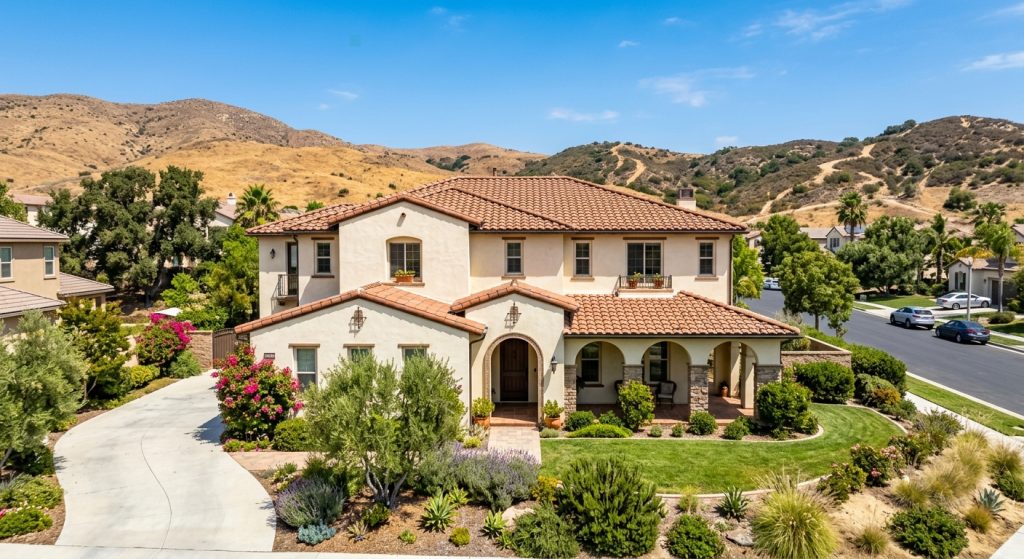
Understanding Santa Clarita’s Climate and Its Impact on Roofs Santa Clarita experiences a Mediterranean climate characterized by hot, dry summers and relatively mild winters. While the area generally receives less rainfall than many other parts of the country, its prolonged summer heat can gradually damage roofing materials. SoCal sun and heat affect how long your Santa Clarita roof holds up. Repeated exposure to high temperatures and UV radiation can cause certain roofing materials to fade, become brittle, crack, or lose flexibility. Over time, these changes may allow moisture to penetrate the roof and damage the underlying structure. Daily temperature fluctuations also contribute to roof deterioration. Roofing materials expand as temperatures rise and contract as they cool. This repeated movement can gradually weaken seals, loosen flashing, and stress connections around vents and other roof penetrations. Although Santa Clarita is known for its dry weather, winter storms still matter. Rain can reveal weaknesses that developed during the summer, particularly around aging shingles, valleys, skylights, chimneys, and roof edges. Wind can also lift loose shingles, move debris across the roof, and expose vulnerable sections to moisture. Together, these conditions make regular roof inspections an important part of home maintenance. How Long Does a Roof Last Based on Roofing Material? The type of roofing material is one of the biggest factors determining its expected lifespan. Some materials handle intense sunlight better than others, while certain products require more maintenance to perform well over time. Asphalt Shingle Roofs Asphalt shingles are popular because they are relatively affordable, widely available, and suitable for many residential properties. Standard three-tab asphalt shingles commonly last around 15 to 20 years. Architectural asphalt shingles may last approximately 20 to 30 years when properly installed and maintained. Actual performance varies according to product quality, ventilation, installation methods, and local exposure. Santa Clarita’s hot summers can accelerate the aging of asphalt shingles. UV exposure gradually breaks down the materials, while excessive attic heat can contribute to premature deterioration if ventilation is inadequate. Homeowners should watch for curling edges, missing granules, cracked shingles, and bald patches. These warning signs may indicate that repairs are necessary or that the roof is approaching the end of its service life. When asking how long does a roof last if it is made of asphalt shingles, consider both its age and its current condition rather than relying on a general lifespan estimate alone. Concrete and Clay Tile Roofs Concrete and clay tile roofs are common in Southern California because they offer durability, fire resistance, and a distinctive architectural appearance. Clay tile roofs can last approximately 50 to 100 years or longer under favorable conditions. Concrete tiles often last around 40 to 75 years, depending on the product and maintenance. These estimates generally refer to the tiles themselves, not every component of the roofing system. Tile roofs are well suited to sunny climates, but they are not maintenance-free. Individual tiles can crack, shift, or break due to foot traffic, falling branches, or other impacts. The underlayment beneath the tiles can also deteriorate long before the tiles themselves need replacement. Because the underlayment provides an important layer of moisture protection, periodic professional inspections are essential. A roof may look sound from the street while hidden components require attention. Metal Roofs Metal roofing is another option for homeowners looking for a long-lasting roofing system. Depending on the metal, coating, installation, and maintenance, a metal roof may last approximately 40 to 70 years or more. Metal can perform well in hot, sunny environments, particularly when the product has a suitable reflective finish. Reflective surfaces may reduce solar heat absorption, although the actual benefit depends on the color, coating, roof assembly, and attic insulation. Potential problems include damaged protective coatings, corrosion in vulnerable areas, loose fasteners, and failing sealants. Regular inspections can help identify these issues before they cause leaks or more extensive damage. Wood Shingles and Shakes Wood shingles and shakes can provide a natural appearance, but their lifespan depends heavily on the wood species, treatment, ventilation, and exposure to moisture. In many residential applications, they may last around 20 to 40 years, although some roofs perform outside that range. Santa Clarita’s dry climate can reduce some moisture-related problems, but intense sunlight may dry out wood and contribute to splitting or deterioration. Homeowners should also consider local fire safety requirements and insurance considerations before choosing wood roofing. The suitability of this material depends on the property’s location and applicable regulations. Factors That Determine Your Roof’s Lifespan Roofing material provides a useful starting point, but several additional factors determine how long a roof actually lasts. Installation Quality Even high-quality roofing materials can fail prematurely when installed incorrectly. Improper fastening, poorly sealed penetrations, inadequate flashing, and incorrect underlayment installation can create weaknesses that become apparent during storms or periods of extreme heat. Hiring a qualified roofing contractor who understands local building conditions can help reduce these risks. Homeowners should also retain installation records, product information, and applicable warranties for future reference. Attic Ventilation and Insulation Proper attic ventilation helps manage heat and moisture beneath the roof. Without adequate airflow, attic temperatures can become excessive during summer, potentially contributing to premature aging of some roofing materials and increasing indoor cooling demands. Insulation and ventilation work together but serve different purposes. Insulation slows heat transfer into the living space, while ventilation helps manage attic conditions when the roof assembly is designed for it. A professional can assess whether the existing attic system is appropriate for the home’s construction and roofing material. Roof Slope and Drainage Roof design affects how efficiently water drains away from the structure. Steeper roofs generally shed rain more readily, while low-slope roofs may require specialized waterproofing systems and careful drainage management. Blocked gutters, accumulated debris, and poorly maintained drainage areas can cause water to collect in vulnerable locations. Even in a relatively dry climate, occasional storms can expose these weaknesses. Keeping gutters clear and checking drainage components periodically helps protect the roof and the surrounding structure. Maintenance and Previous Repairs
PR Newswire’s AEO & GEO Brand Report Launches in India

India’s largest, most trusted press release distribution service enhances its suite of solutions in the country by offering brand-level AI visibility insights to communications, marketing and investor relations teams. MUMBAI, India, Oct. 14, 2026 /PRNewswire/ — AI-powered search…
Hurricane Isaias Forces Hampton Roads Events to Close Early
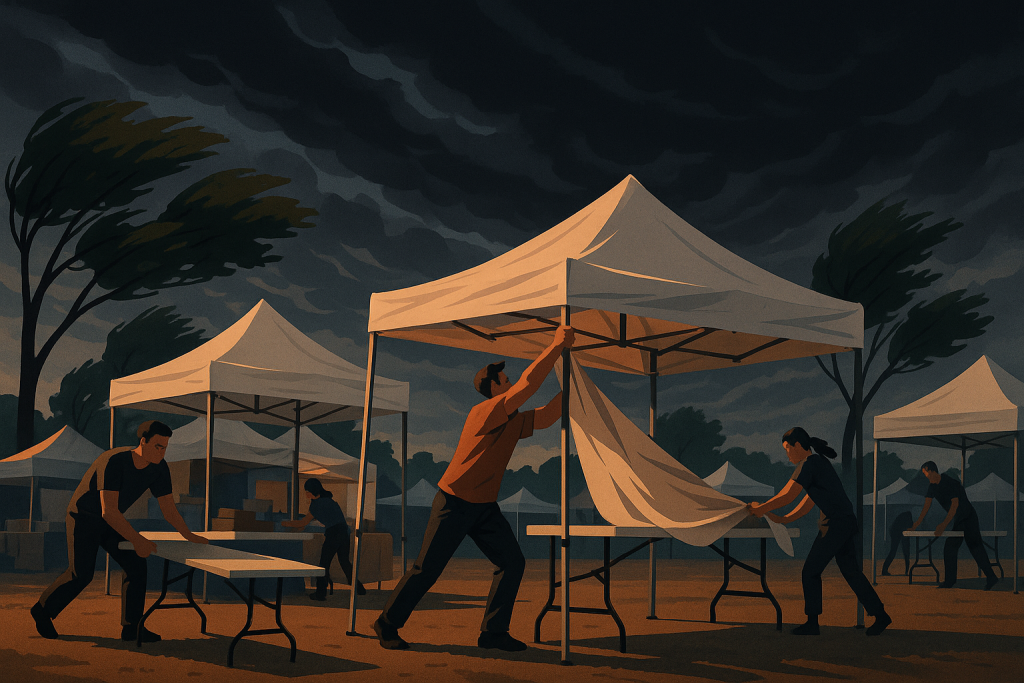
The approaching threat of Hurricane Isaias prompted several Hampton Roads events to shut down ahead of schedule, with the Suffolk Peanut Fest canceling its Sunday lineup.
Achyuta Samanta Elected First President of Indian UniSport Federation

BHUBANESWAR, India, Oct. 14, 2026 /PRNewswire/ — Noted educationist, social reformer and Founder of KIIT and KISS, Dr. Achyuta Samanta (https://achyutasamanta.com/), has been unanimously elected the first President of the Indian UniSport Federation (IUSF) at its inaugural Annual…
Bisedge Secures €10 Million Long-Term Loan from Finnfund to Expand Electric Intralogistics Fleet in Nigeria and East Africa

LAGOS, Nigeria, Oct. 14, 2026 /PRNewswire/ — Bisedge Logistics & Infrastructure today announced a €10 million long-term investment loan from Finnfund, the Finnish development financier and impact investor.The facility will fund the expansion of Bisedge’s electric material handling…