
Travelers planning to hike the classic Inca Trail to Machu Picchu face a timeline that starts long before they pack a bag. Access to the route is controlled by a permit system, every hiker must travel with a licensed operator, and the most popular months fill up well in advance. For anyone hoping to walk the trail next year, the planning window is already open.
A Regulated Route, Not an Open Trail
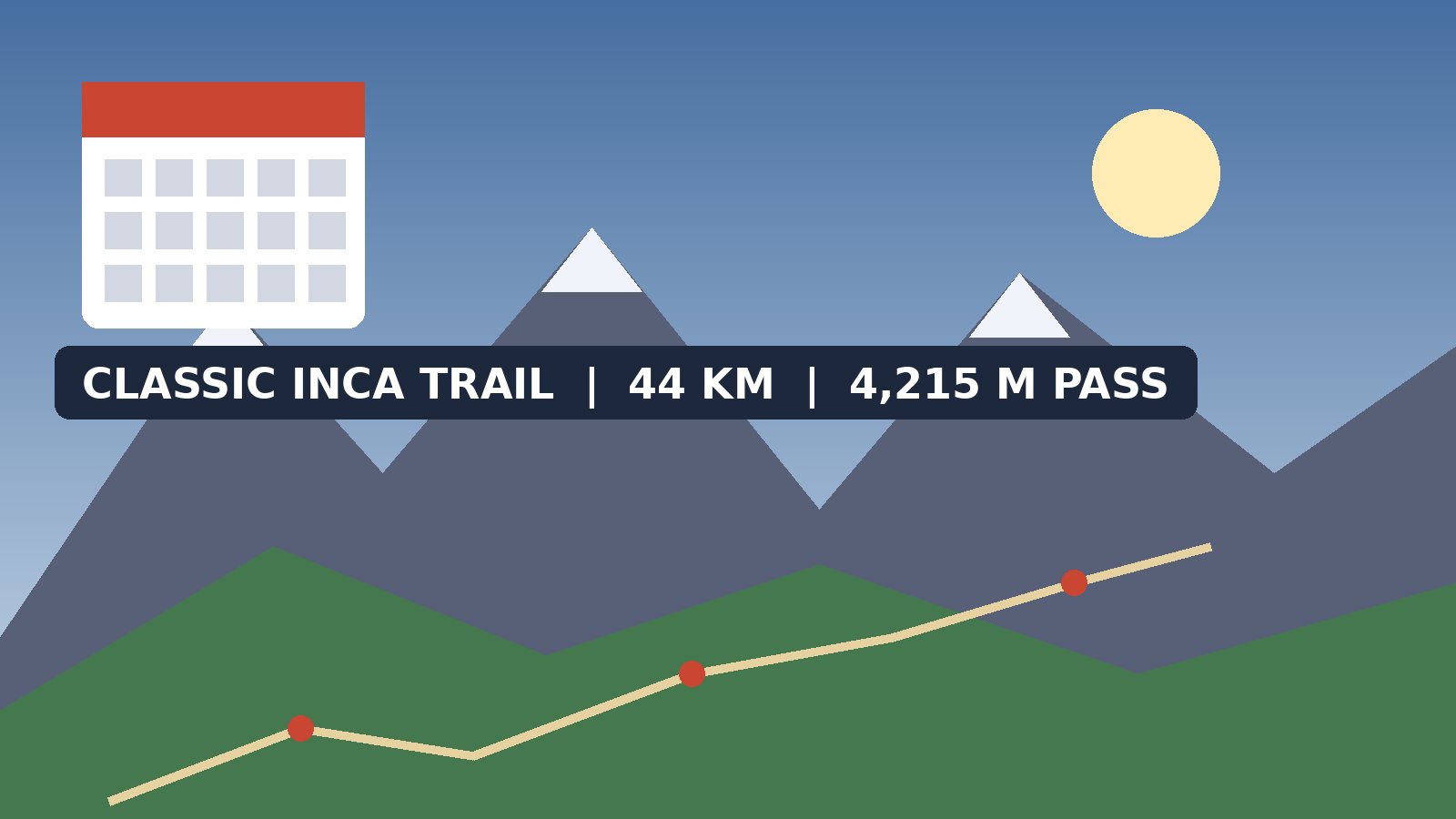
The classic Inca Trail runs about 44 kilometers from a trailhead known as Km 82, near Ollantaytambo in Peru’s Sacred Valley, to the Sun Gate above Machu Picchu. Unlike many long-distance hikes, it cannot be walked independently. Peruvian rules require hikers to book through a licensed tour operator and walk with a certified guide, and permits are issued through those operators.
The permits themselves come with strict conditions. They are linked to the hiker’s passport, which is checked at the trailhead. Once issued, they cannot be refunded, transferred to another person or moved to a different date. The daily cap on permits is shared between trekkers and the guides, cooks and porters who support them, so the number of places available to hikers is smaller than the total.
The trail closes each February for conservation and maintenance work, which narrows the calendar further.
Why the Calendar Matters
Demand is concentrated in Peru’s dry season. Cusco-based operators advise that permits for May through October can sell out months ahead, with June through August typically filling first. Wayki Trek, a Cusco tour company, recommends booking six to ten months ahead for the high season and three to four months ahead for other months.
For travelers, that means the hike often has to be fixed before flights, hotels and other parts of a Peru trip. A late decision does not always rule out the trip, but it may rule out the classic route on preferred dates. In that case, operators commonly suggest other itineraries, such as the shorter two-day version of the trail or treks that approach Machu Picchu from a different valley.
What the Four Days Involve
The appeal of the classic route lies in what hikers see along the way. A typical four-day itinerary follows a pattern that has changed little over the years:
Day one: into the valley
Hikers leave Km 82 and walk through subtropical valleys, passing the Inca site of Llactapata before camping near the village of Wayllabamba at around 3,000 meters.
Day two: Dead Woman’s Pass
The second day is widely considered the hardest. The trail climbs steadily to Warmiwañuska, known in English as Dead Woman’s Pass, at 4,215 meters, before a steep descent to camp at Pacaymayo. Hikers can expect seven to nine hours on the trail.
Day three: the archaeological day
The longest stretch passes several Inca sites, including Runkurakay, Sayacmarca and Phuyupatamarca, before descending through cloud forest to the terraces of Wiñay Wayna.
Day four: the Sun Gate
An early start brings hikers to Inti Punku, the Sun Gate, for a first view of Machu Picchu, followed by a guided visit to the citadel.
Fitness and Altitude
Much of the classic trail lies above 3,000 meters. Operators generally advise spending two to three days acclimatizing in Cusco or the Sacred Valley before starting, and training on hills and stairs for several weeks beforehand. The route is not technical, but the tall, uneven stone steps make descents demanding on knees.
Support on the trail varies by operator. Travelers comparing companies often ask whether guides are trained in first aid, whether a satellite phone and radios travel with the group, and whether trekking poles and quality tents are provided.
What Shapes the Price
Prices for the four-day hike vary widely between licensed operators. The cost typically reflects the permit and Machu Picchu entrance ticket, transport to the trailhead, train and bus connections at the end, meals, camping equipment and the trekking team. Group size and whether a trip is shared or private also play a large part.
Operators that charge well below the market have long drawn scrutiny over porter conditions. Many travelers now ask directly about porter wages, load limits and equipment before booking. Some companies publish their policies. Wayki Trek, for example, states that its porters carry legal load limits and are paid fairly, and it caps shared groups at four to six hikers.
How Travelers Are Planning Ahead
For travelers who want the full route, the practical steps are consistent across operators:
- Choose a preferred month and a backup month, keeping the February closure in mind.
- Confirm passport details early, since permits are issued in the hiker’s name and checked at the start.
- Book with a licensed operator and confirm in writing what the price includes.
- Allow time in Cusco to acclimatize before the trek begins.
- Plan train and hotel arrangements around the trek dates, not the other way around.
Operators typically require a deposit to secure permits. At Wayki Trek, a 50 percent deposit secures the permit, with the balance due 15 days before the trek. Details of the company’s classic Inca Trail departures, including the day-by-day itinerary, campsites and inclusions, are published on its website for travelers comparing options.
Machu Picchu entrance rules are set separately by Peru’s Ministry of Culture, which publishes visitor information on its official Machu Picchu site. Hikers on the Inca Trail generally have the entrance ticket included with their trek, but those adding extra climbs such as Huayna Picchu should confirm the details before they travel.
The Bottom Line
The classic Inca Trail remains one of the best-known hikes in South America, and its permit system is designed to protect both the route and the experience. For travelers, the lesson is simple: decide early, book through a licensed operator, and build the rest of the trip around the trail.